The battle of traditional shepherds in Montenegro against the modern world: ‘I am ready to die for the mountain’
Traditional ways of life in Europe are increasingly under pressure due to green grabbing. While nature is their home, the modern world sees opportunities for innovative projects. In Montenegro, where families have lived in harmony with nature on the Sinja(je)vina mountain for generations, they feel this threat very clearly: a wind farm plan threatens their mountain. “I am ready to die for Sinja(je)vina,” says one shepherd, fiercely.
Written by: Mette Woolthuis and Nikita de Jong
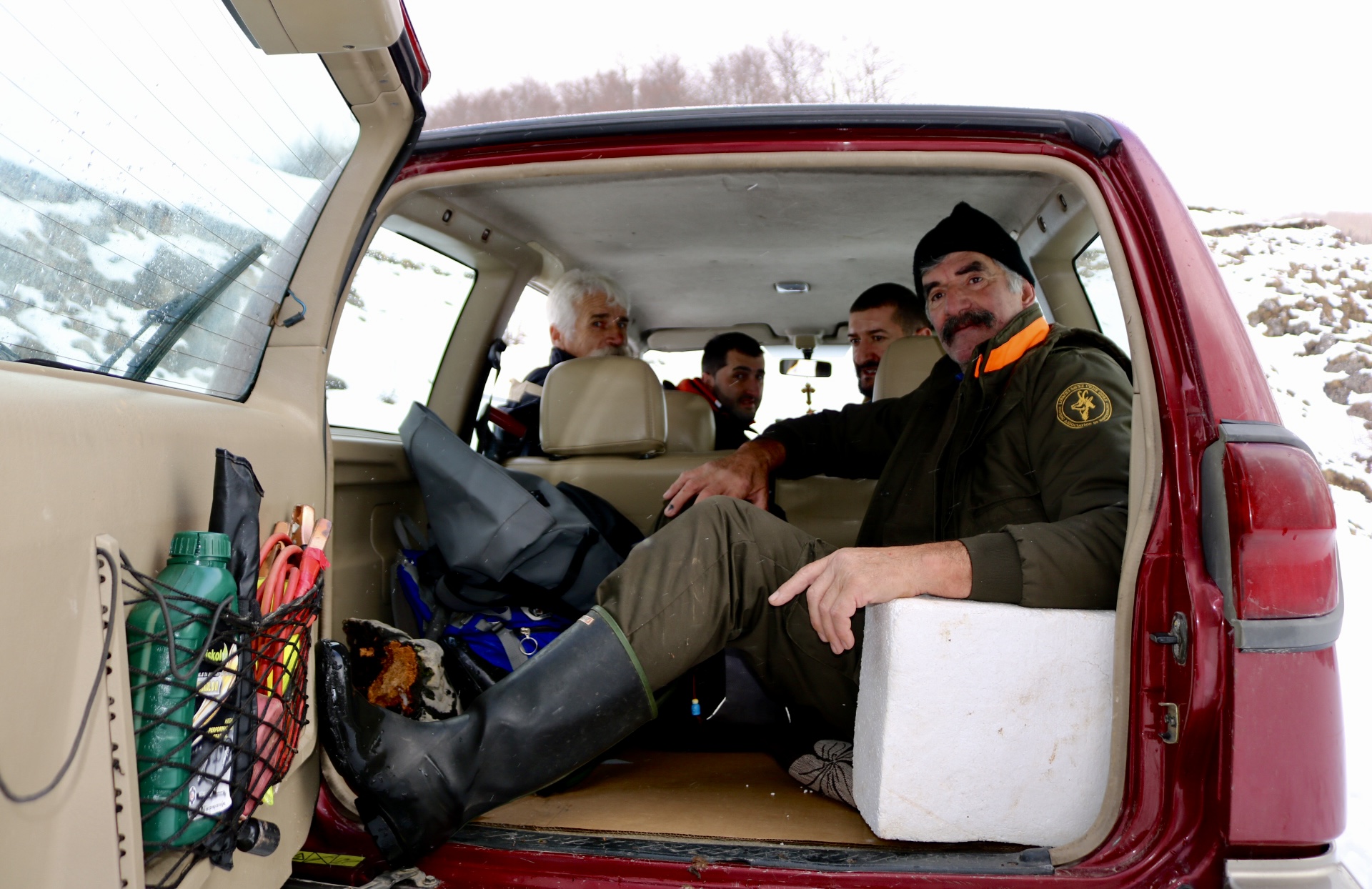
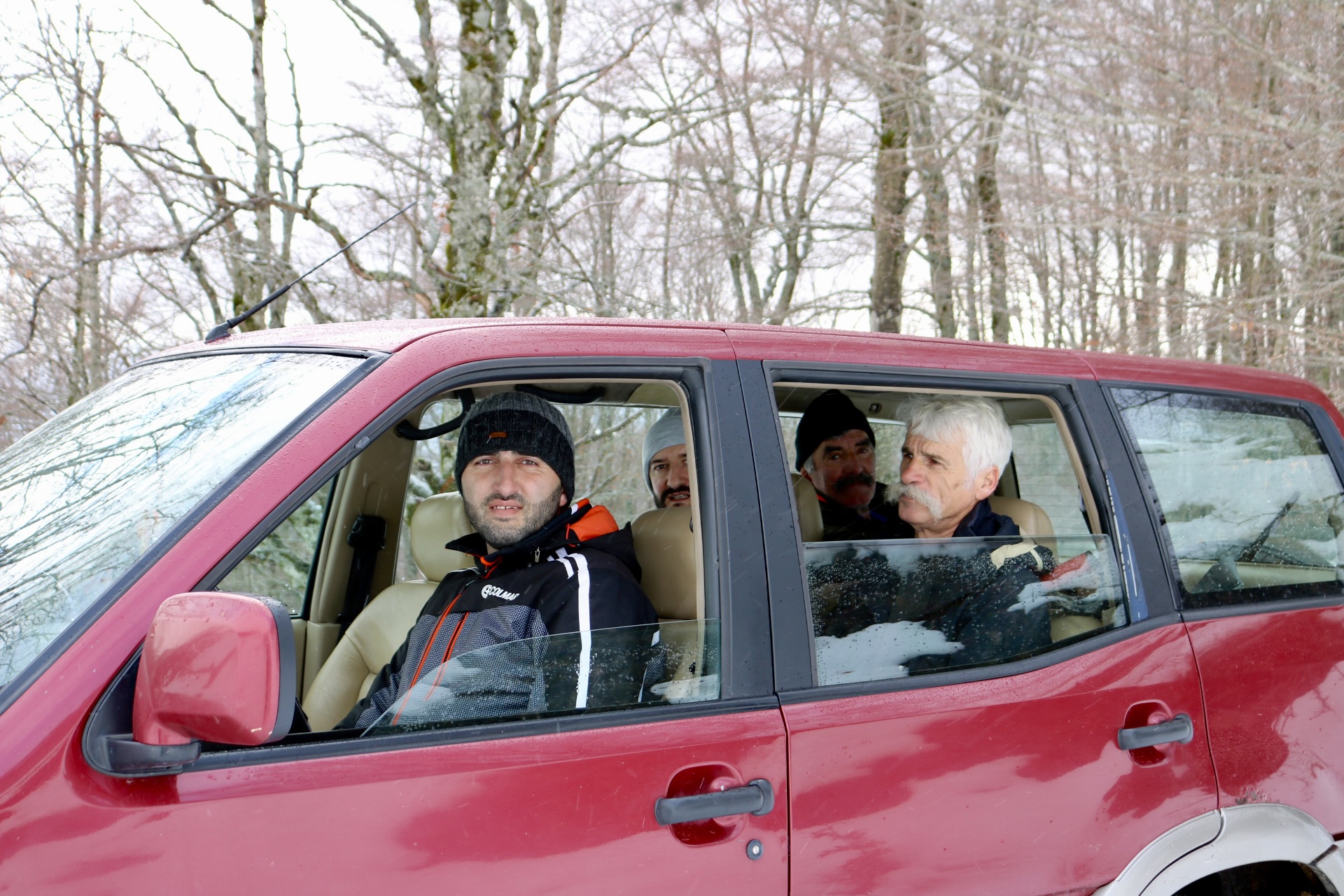
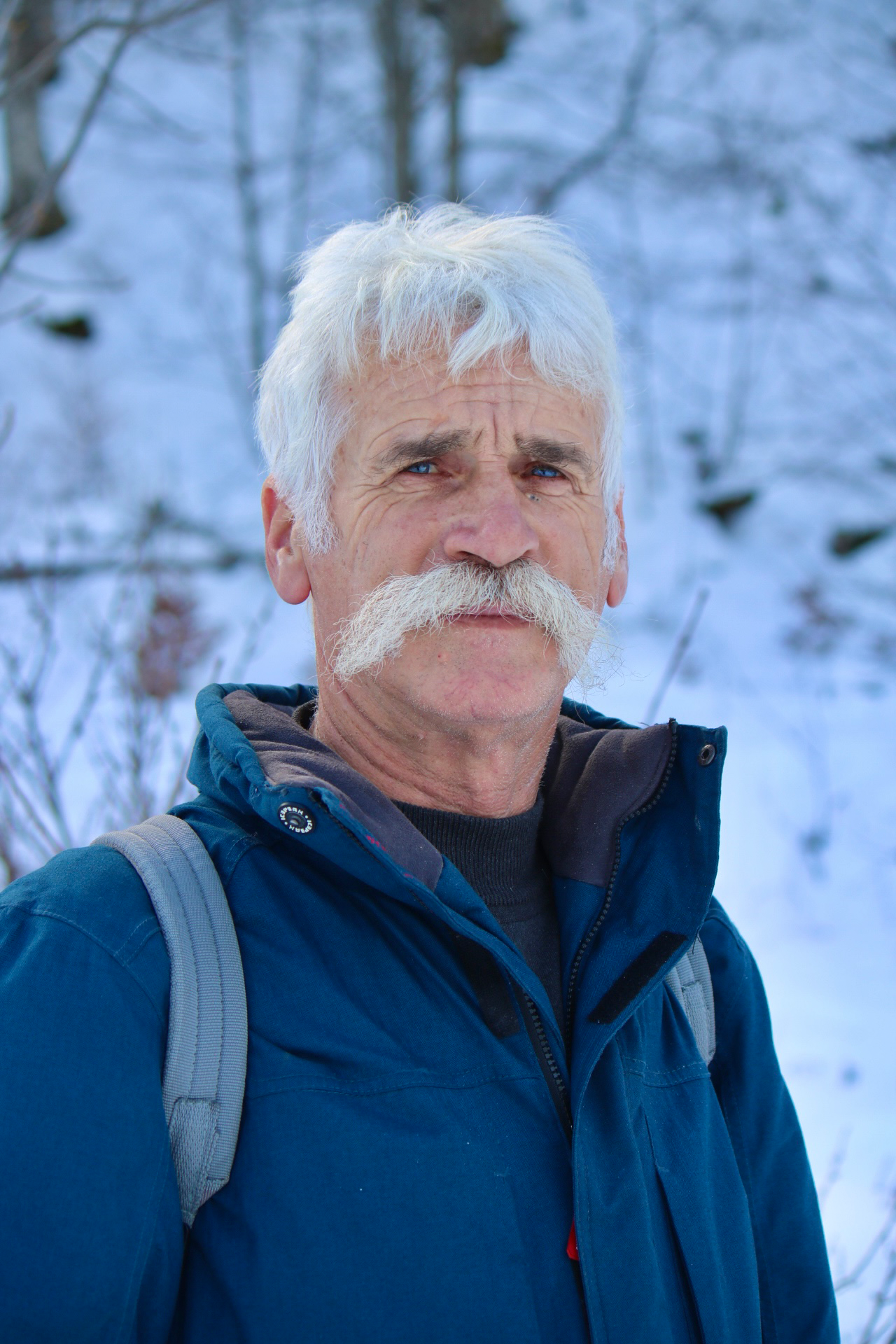
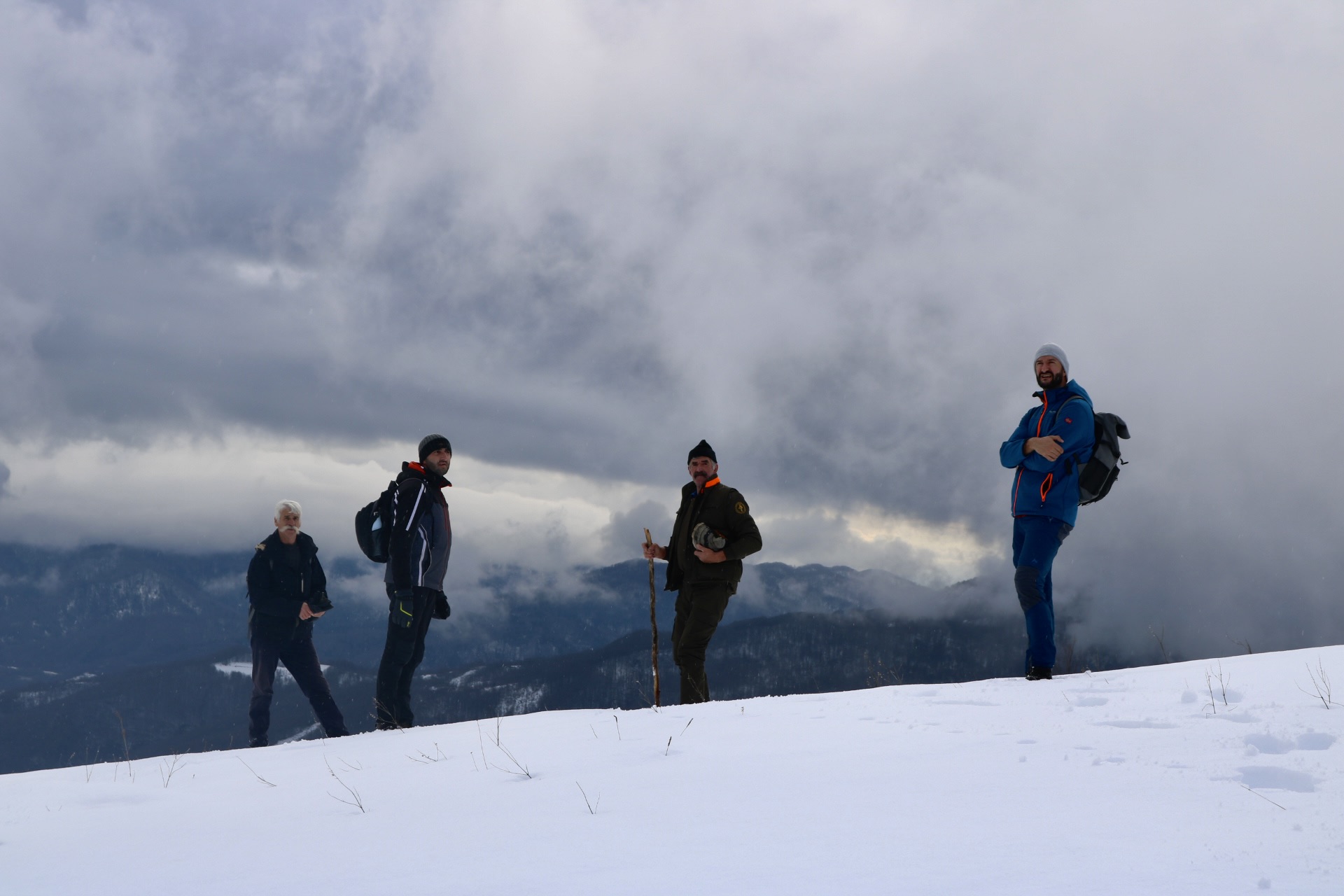
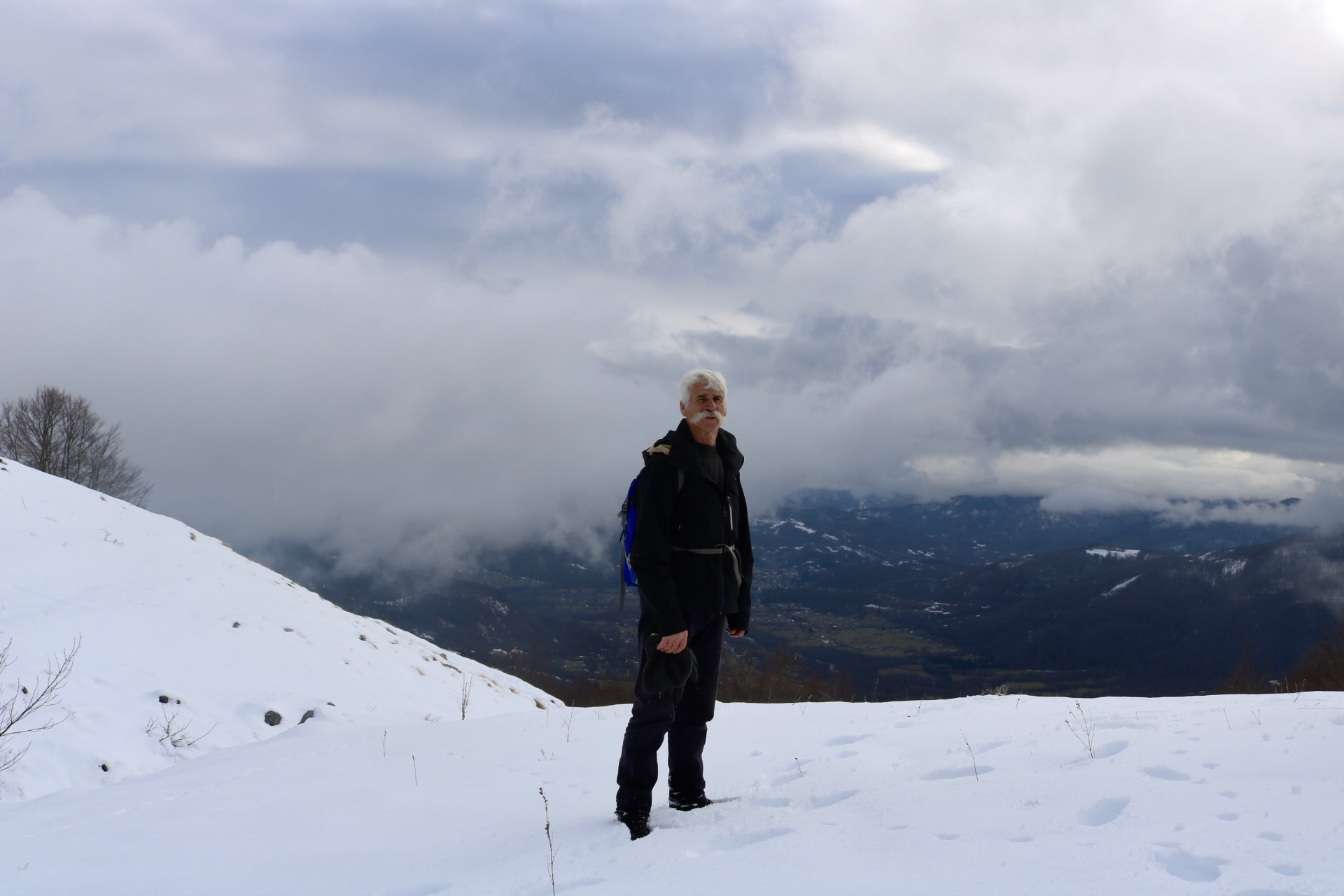
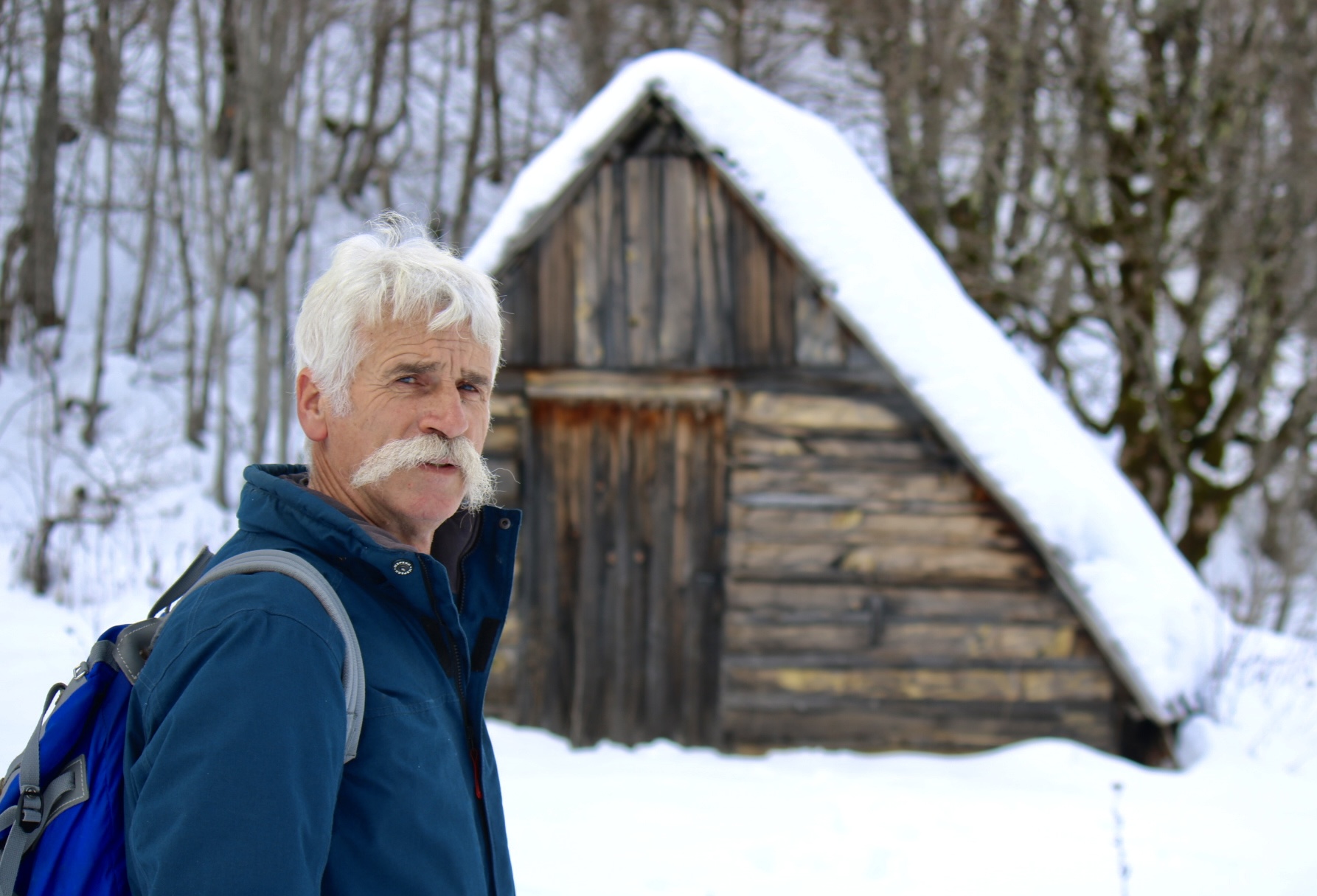
The cross tied to the rearview mirror swings more intensely as the altitude increases. It’s not very functional; the red four-person Volkswagen car is filled with six people, one of whom is in the trunk. The man blocking the view of the road is 67 and has a mustache to be reckoned with. He is a shepherd on the Sinja(je)vina mountain in Montenegro, like the men in the back seat, who seem to be chatting cheerfully in Serbian.
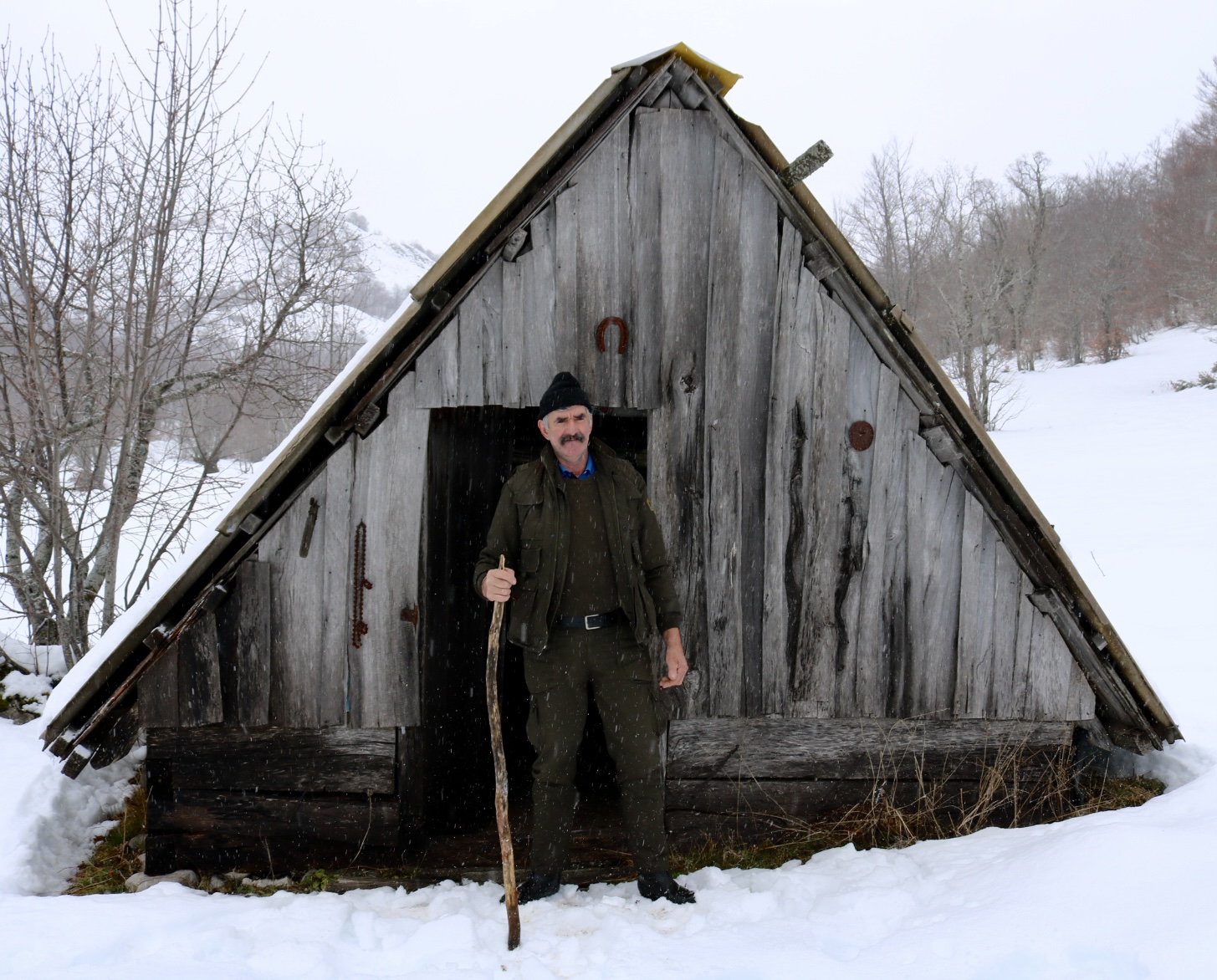
Today, the men are taking a look at their katuns, farm settlements made of wood, straw, and stone. The katuns, with their earth floors, are not livable with temperatures this low. At this time of year, between October and April, nature is simply too harsh to live on the mountain. “I miss Sinja(je)vina so much in the winter, that’s where I belong,” says the shepherd sitting to the left of the window. His name is Novak Tomović, and as long as he can remember, he has lived hand in hand with nature. He contentedly stares out the drafty car window, which forms a sort of ornamental list for a Bob Ross painting. A thick layer of fog hangs in the air, not breaking the view of the mountaintops but enhancing it. The crystal-clear mountain water flows past the pine trees towards the villages at the foot of Sinja(je)vina.
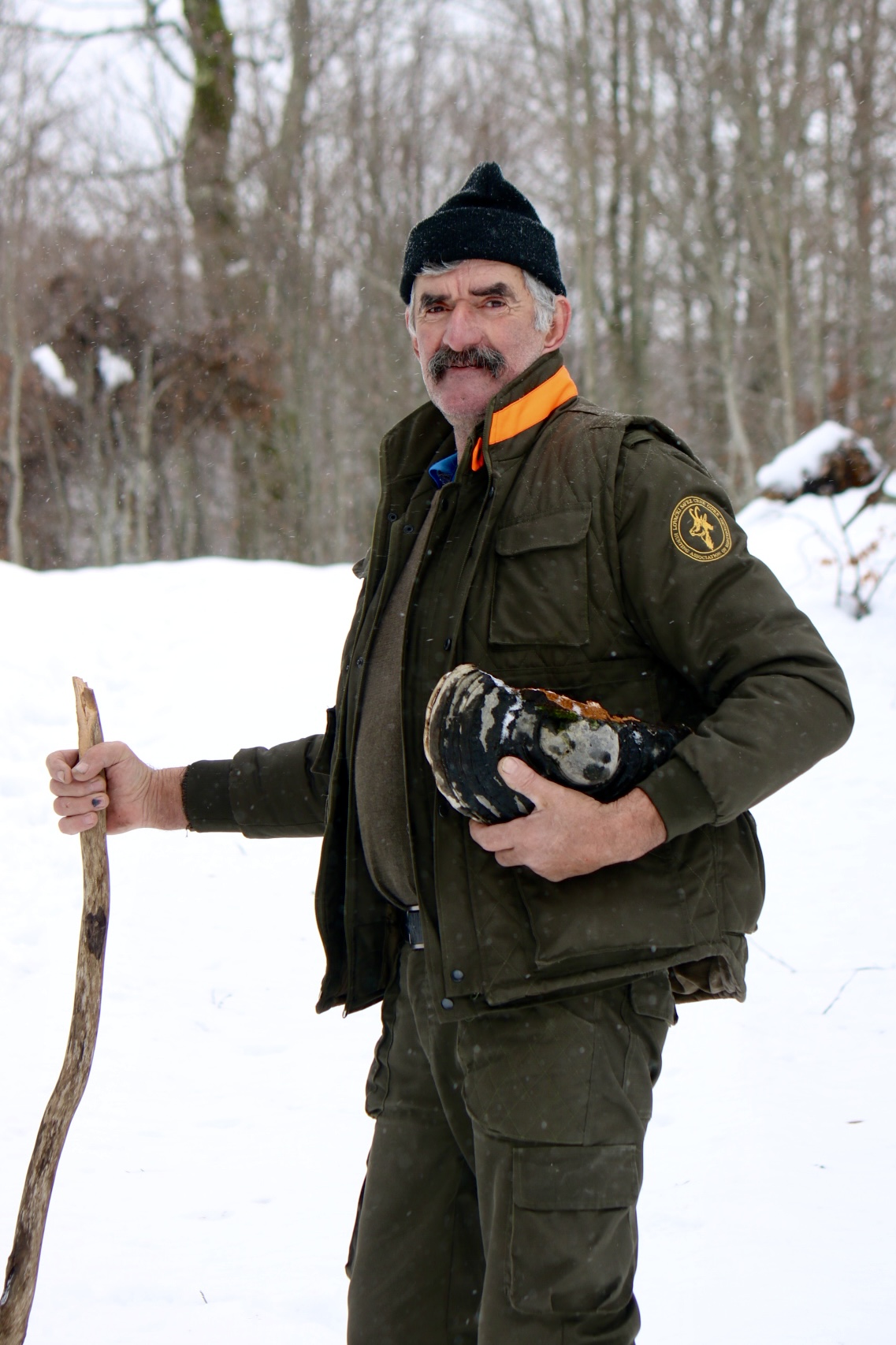
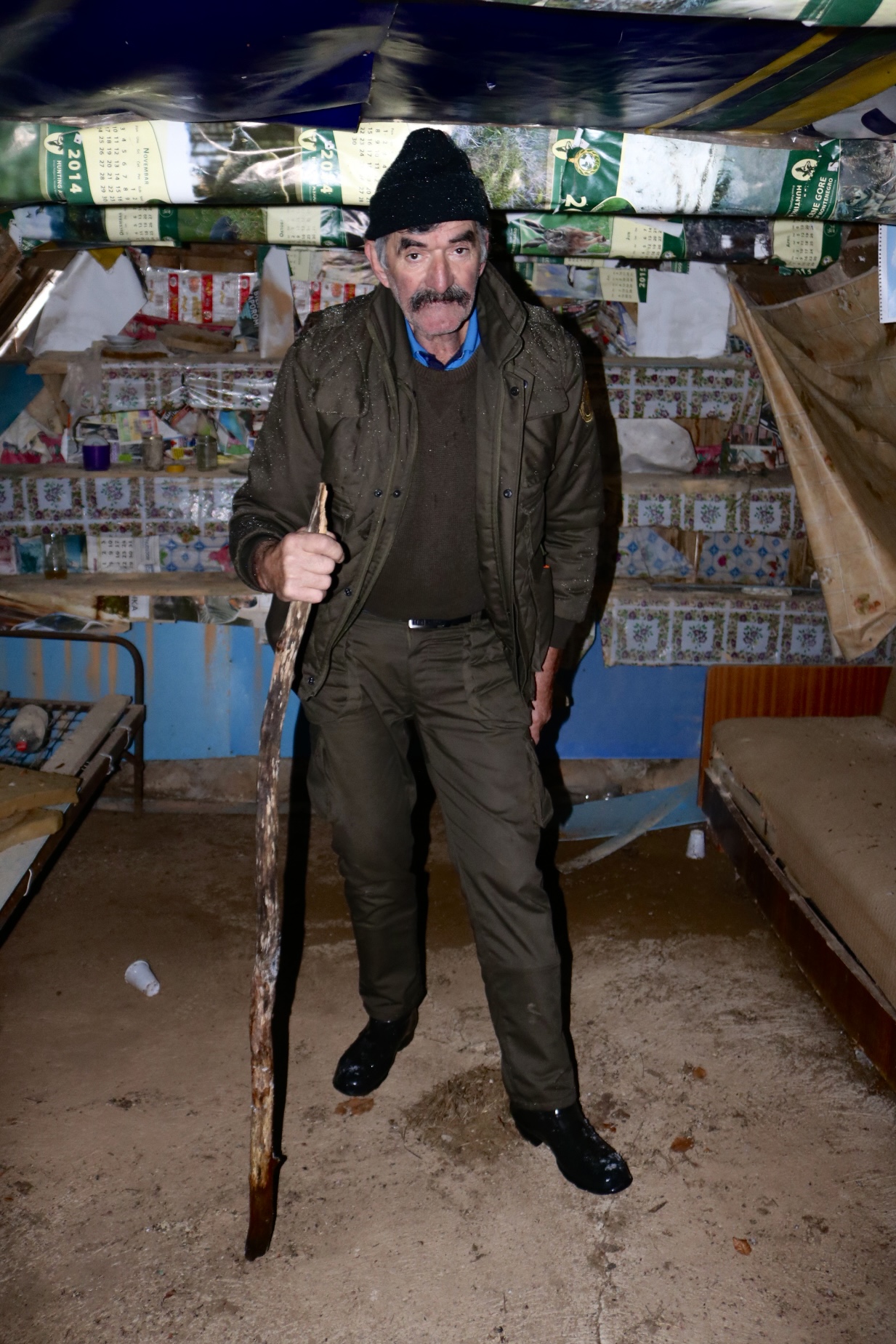
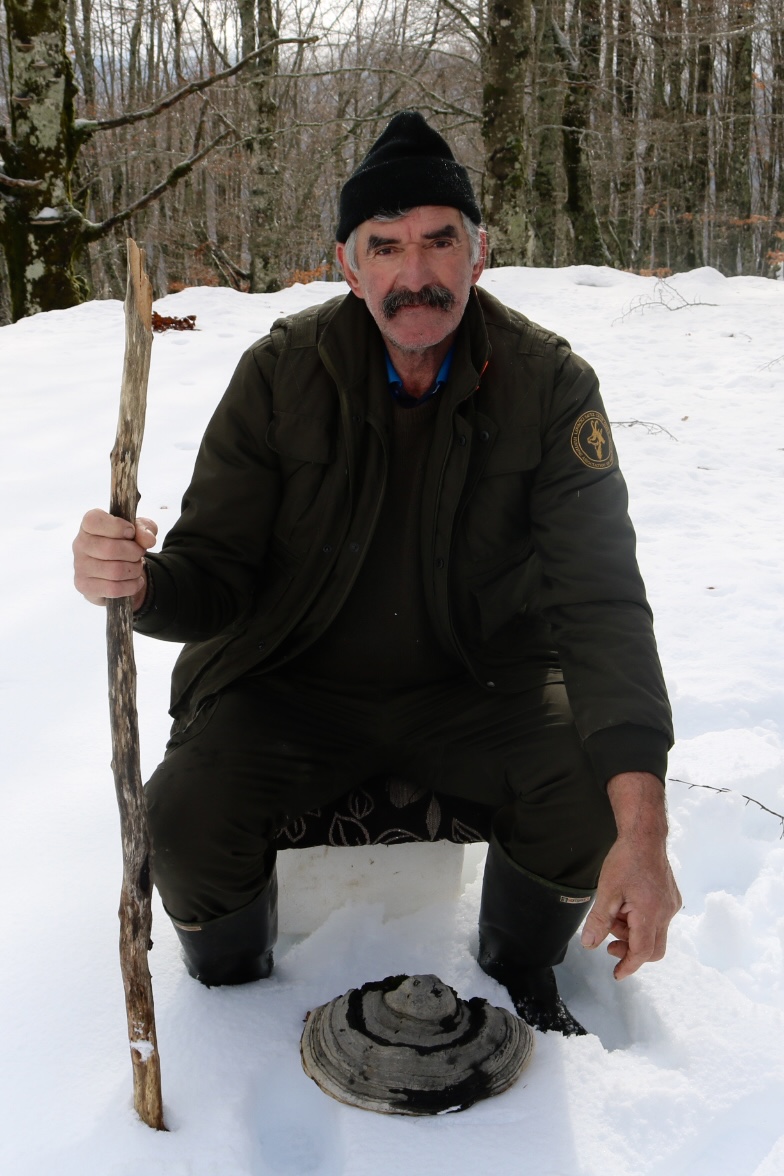
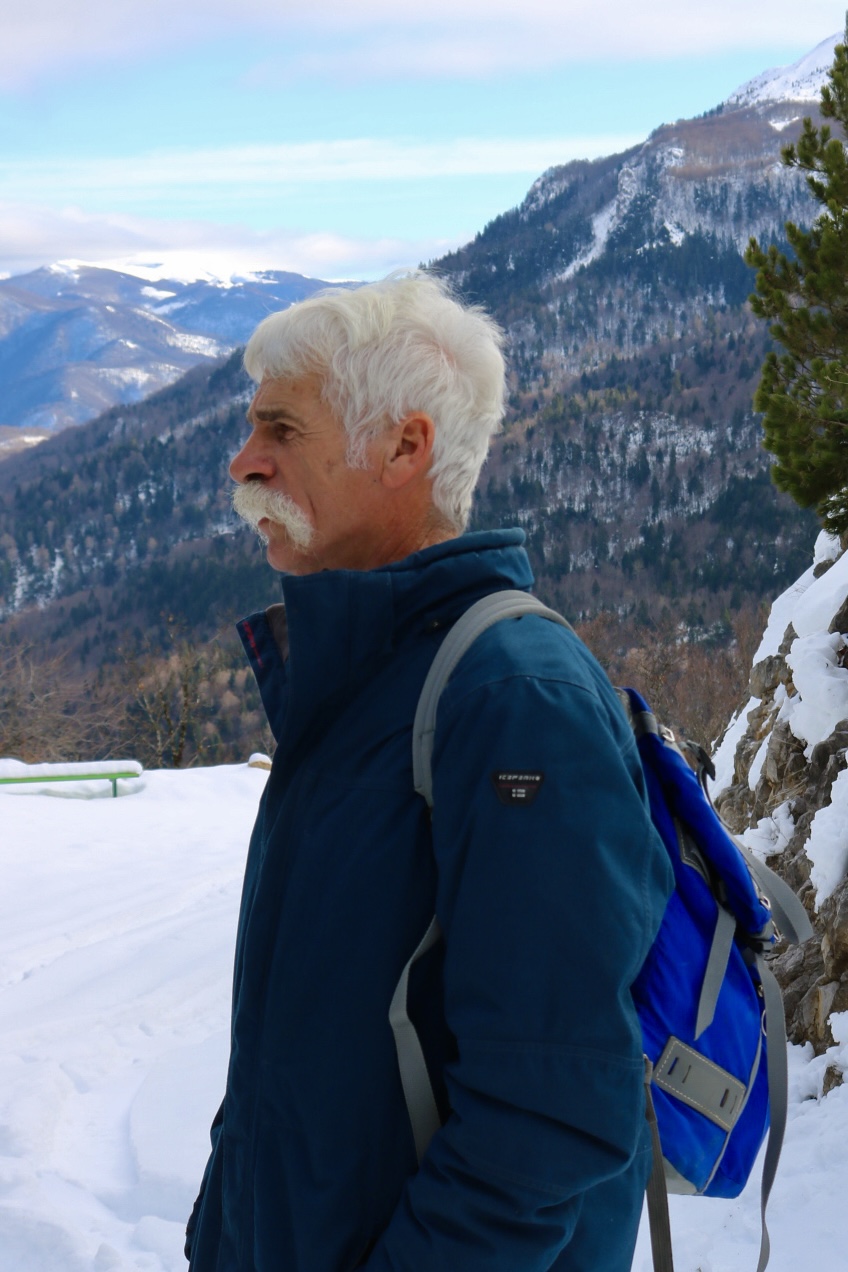
With his visibly weathered hands, Zoran Milošević, the shepherd in the trunk, grips the light brown leather chair in front of him tightly as the car starts to skid in the thick snow towards the edge of the cliff. Behind the wheel is his son, Miladin Milošević. When his father passes away, he will take over the shepherding role. The chatter turns into serious talk. Without hesitation or complaint, the shepherds get out to clear the road with shovels. As he contentedly digs into the snow and looks up at the long white winding road ahead, he says, “Finally, we’re home again.”
When green turns grey
Where nature is their home, the modern world sees opportunities for innovative projects to meet the climate goals of 2050. A wind farm on Sinja(je)vina might help with this.
“We need green energy, but it’s difficult to find a suitable place,” says Mile Glavicanin from the municipality of Kolasin. Although part of Sinja(je)vina falls under this municipality, it has no say in the construction of the wind turbines.
‘Greengrabbing’ is what Devlin Kuyek calls what’s happening in Montenegro. He is a researcher at GRAIN, an international organization supporting small farmers in their fight for local management. By ‘greengrabbing,’ he refers to the concept where land is taken for supposedly sustainable projects, often at the expense of local communities and their land rights. “Traditional communities, who have lived in this area for centuries, are being displaced without consultation to make way for someone else’s agenda,” he says, concerned.
Due to the Paris Agreement, there is an increasing demand for green energy, and therefore, land. Currently, 20% of all land deals involve greengrabbing. The shepherds of Sinja(je)vina see themselves as the next victims of a global trend. “It feels like our land is being colonized,” says one of the shepherds.
What is happening in Montenegro is just one example. In various parts of Europe, traditional communities are facing similar struggles that fall under greengrabbing. In Scotland, for example, investors are buying estates for reforestation and carbon offsetting, causing communities to lose access to traditional land use. In Norway, the Sami people fought against the arrival of wind turbines in 2022. The Sami families received compensation, but the turbines were built. In Spain, wind farms and dams are pushing farmers off their land, while in Romania, nature reserves are excluding farmers from centuries-old grasslands. These initiatives are often presented as necessary to address the climate crisis but expose a paradox: they threaten the people who are closest to the land.
Kuyek is deeply concerned: “The pressure on traditional lifestyles is increasing in this ever-changing world. We are at a crossroads: will these communities survive in the modern world, or not?”
The modern life divides
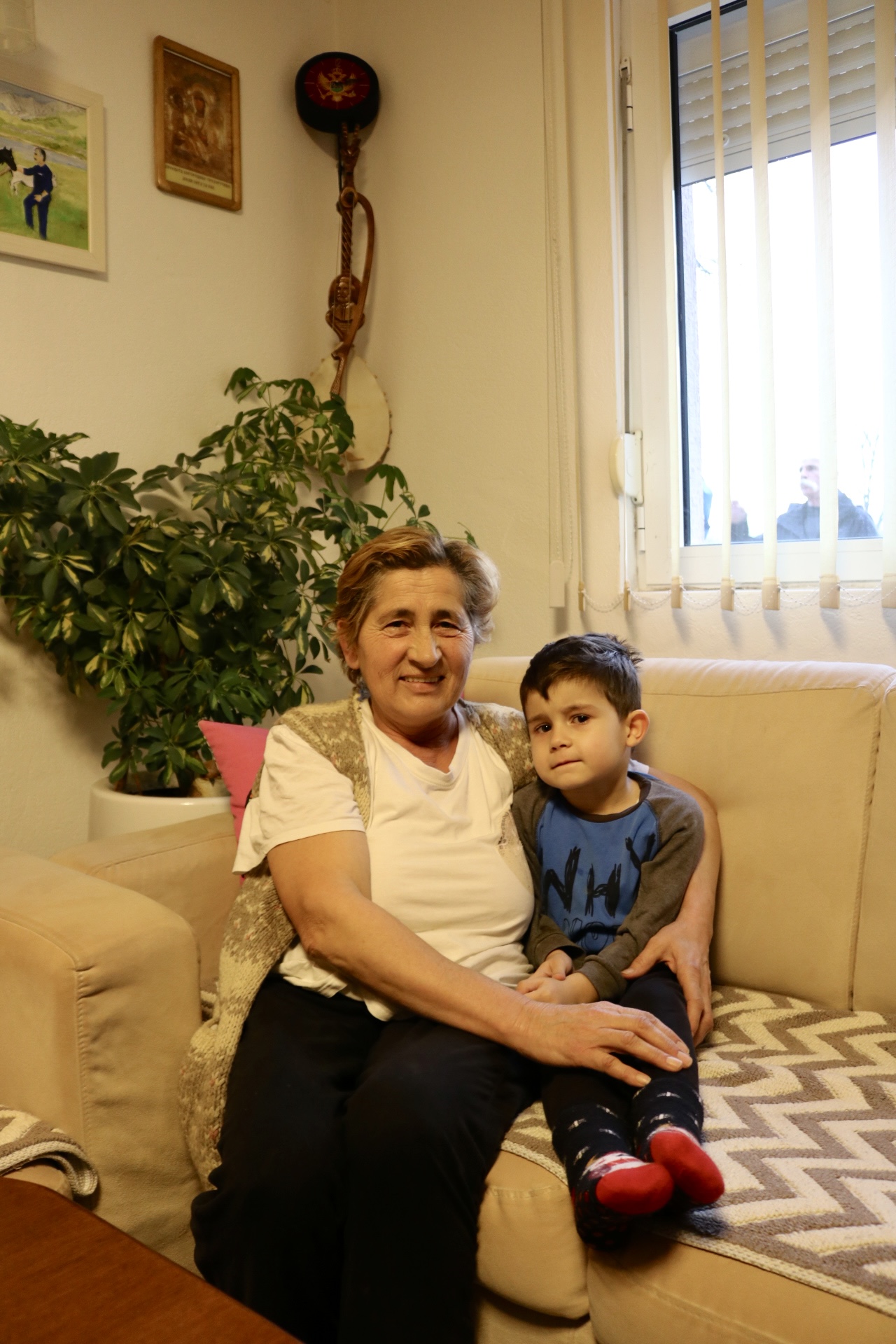
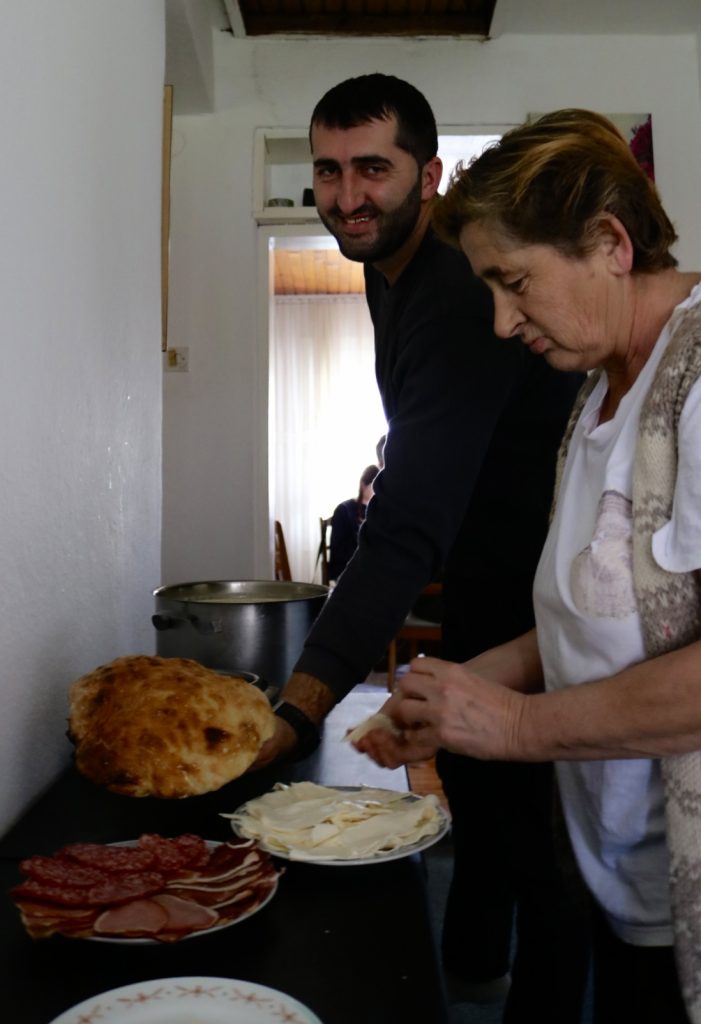
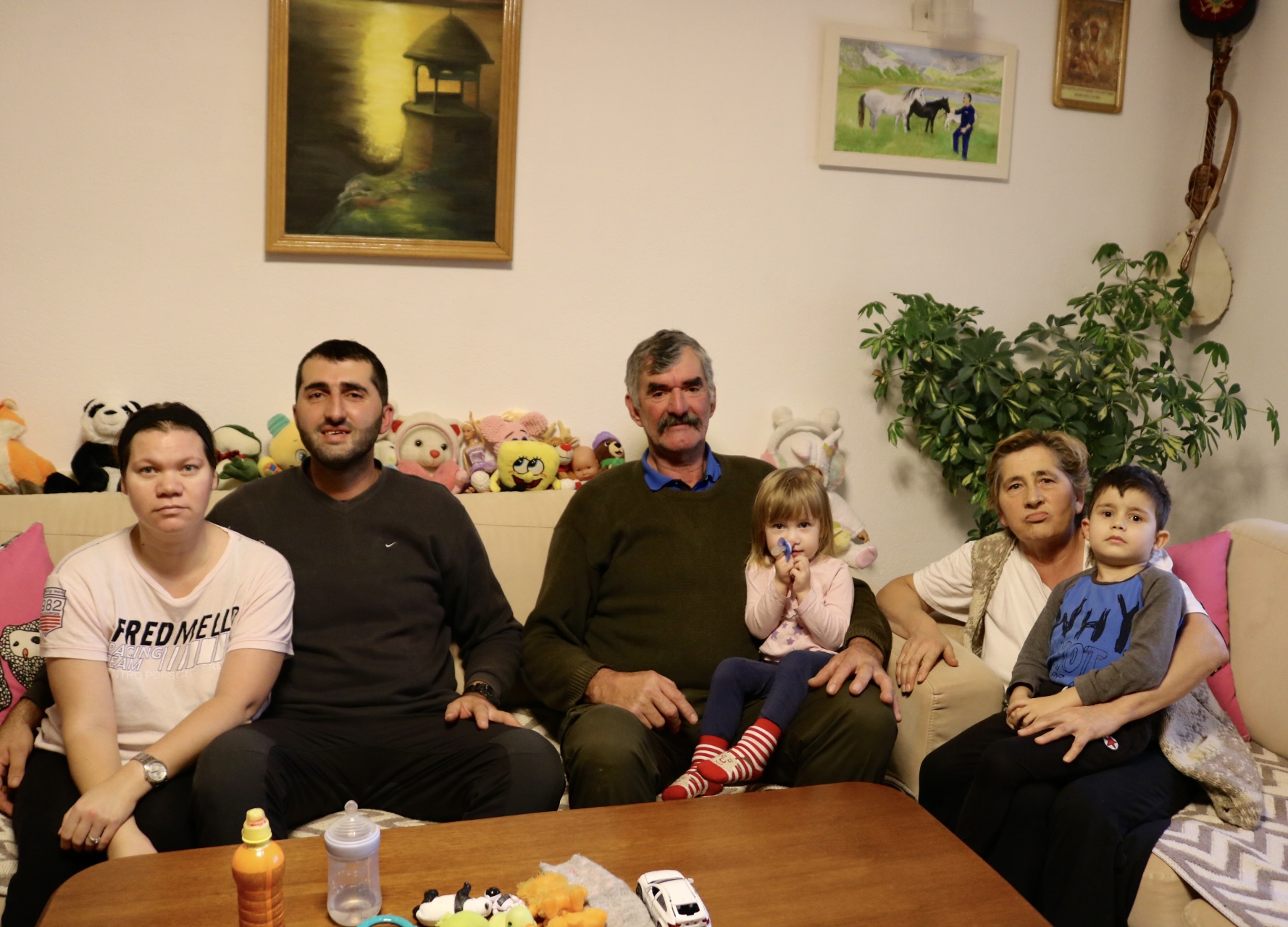
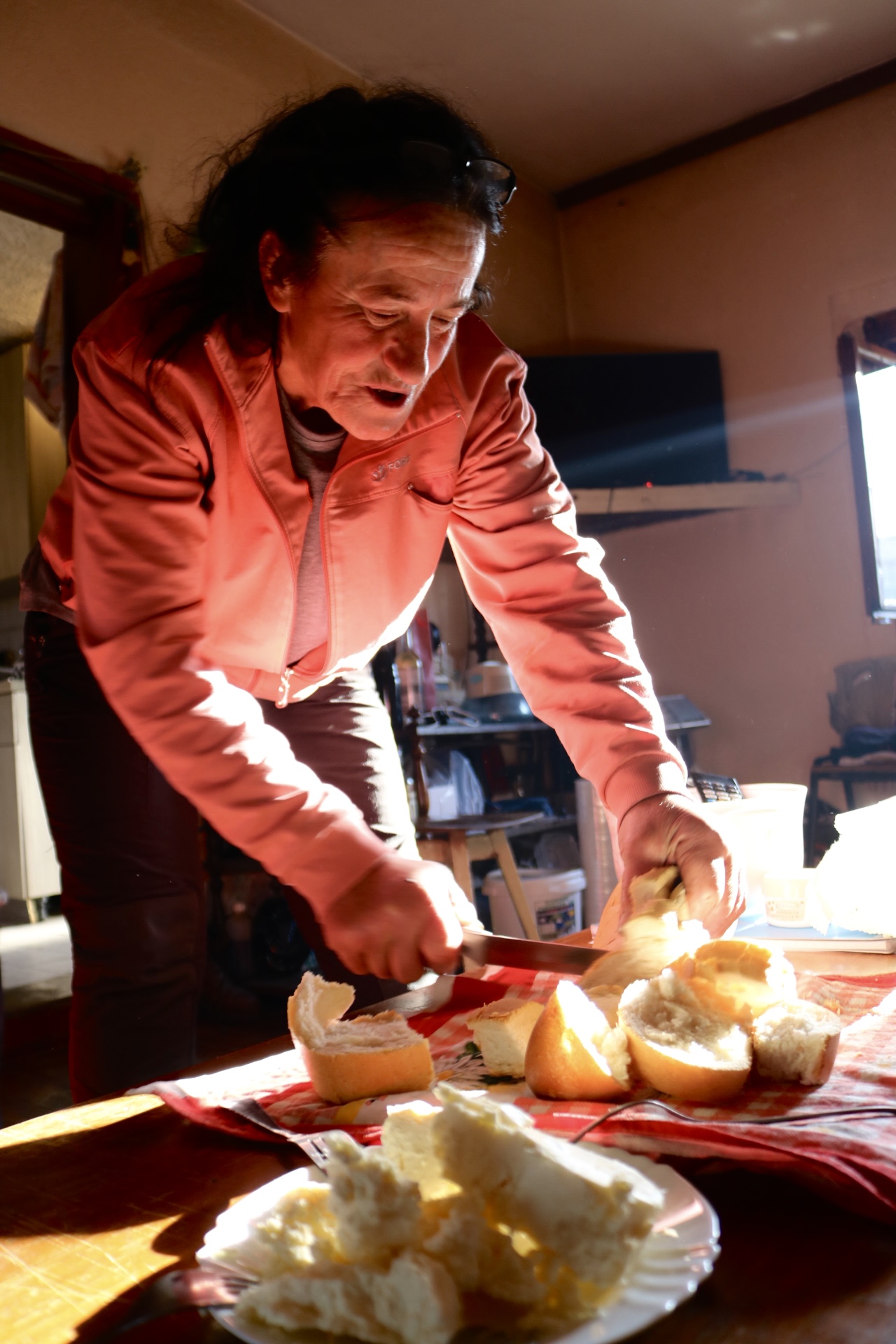
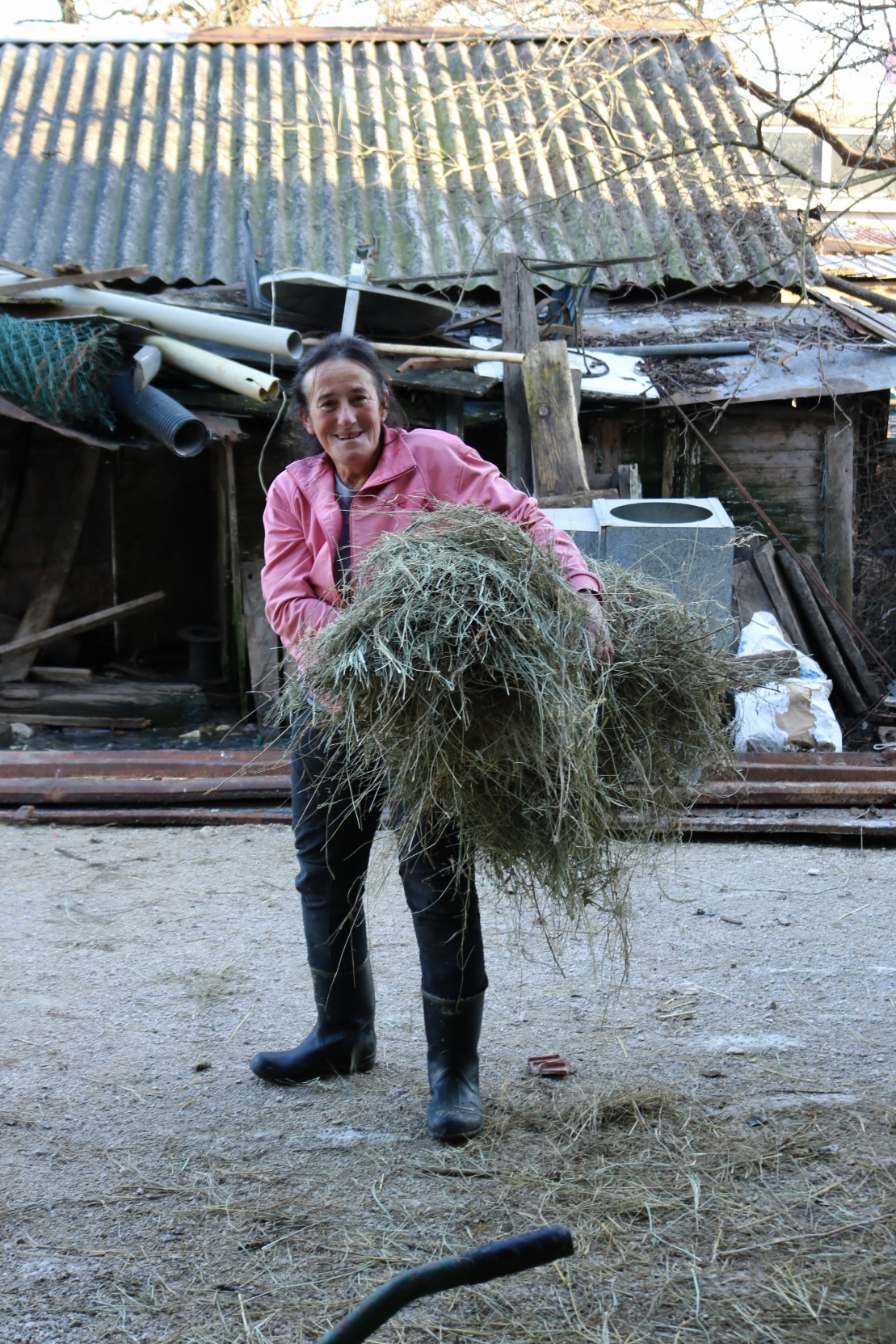
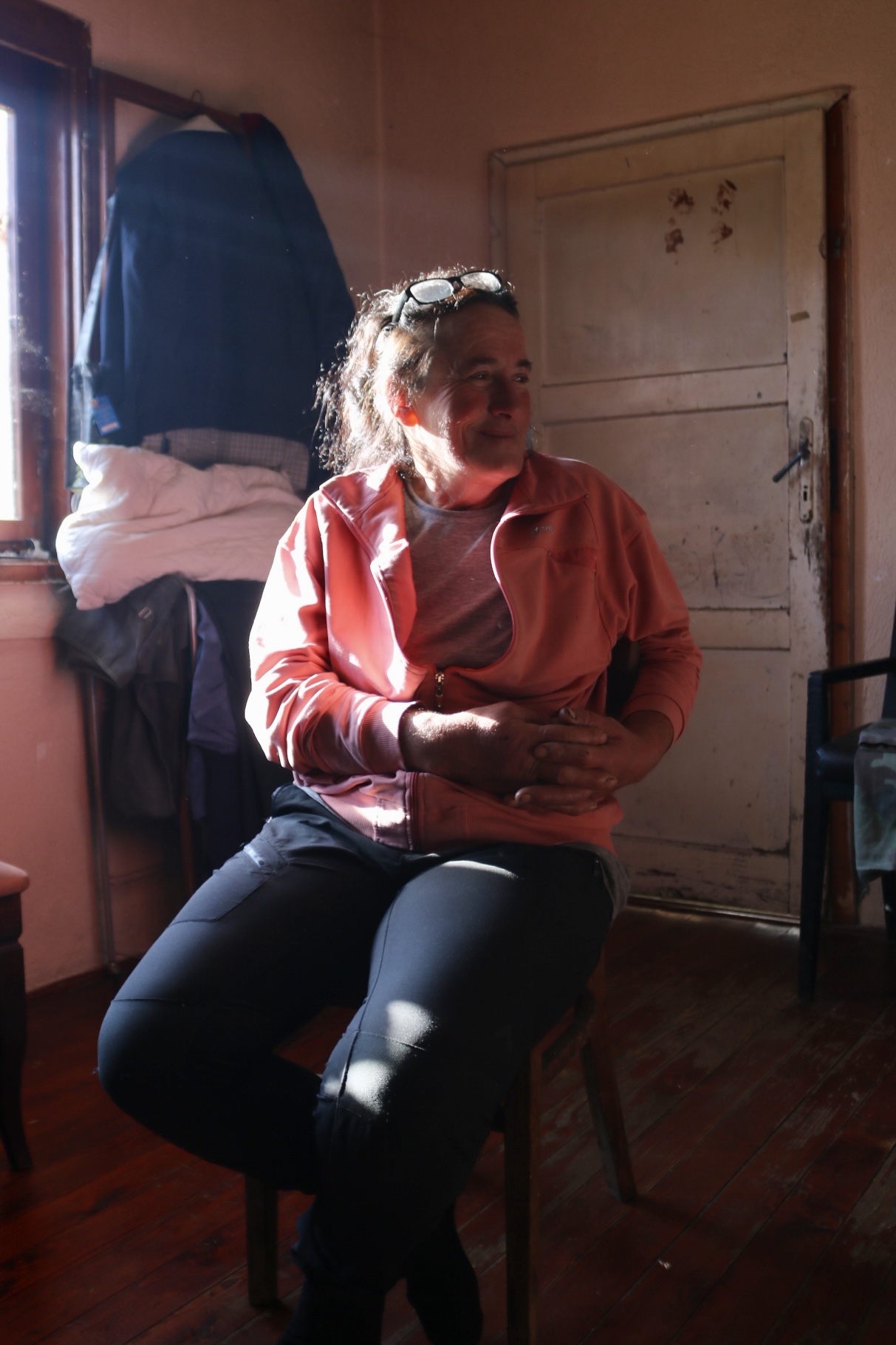
“Do you want to fetch the bread?” asks 63-year-old Mileva Gara Jovanovićara to her nephew as she places the homemade lisnati (traditional cheese) on the wooden coffee table. An earthy scent of fresh milk, cow dung, damp straw, and freshly baked bread dominates the chaotic, crowded house. A strip of warm-colored sunlight falls over Gara’s kind brown eyes as she settles on the worn-out couch. Every plank and table in the living room is filled with things that seem to tell stories, as if every inch is alive with memories and coziness. “You need to grow up with animals to live this life. That’s why the government doesn’t understand it,” she says while cutting a piece of the still-warm bread.
According to Gara, the lack of understanding hasn’t always been there, but people are more individualistic than before. “Ten years ago, people were connected to each other; we danced and sang together. But modern life divides us, like Montenegrins and Serbs.”
To die for the mountain
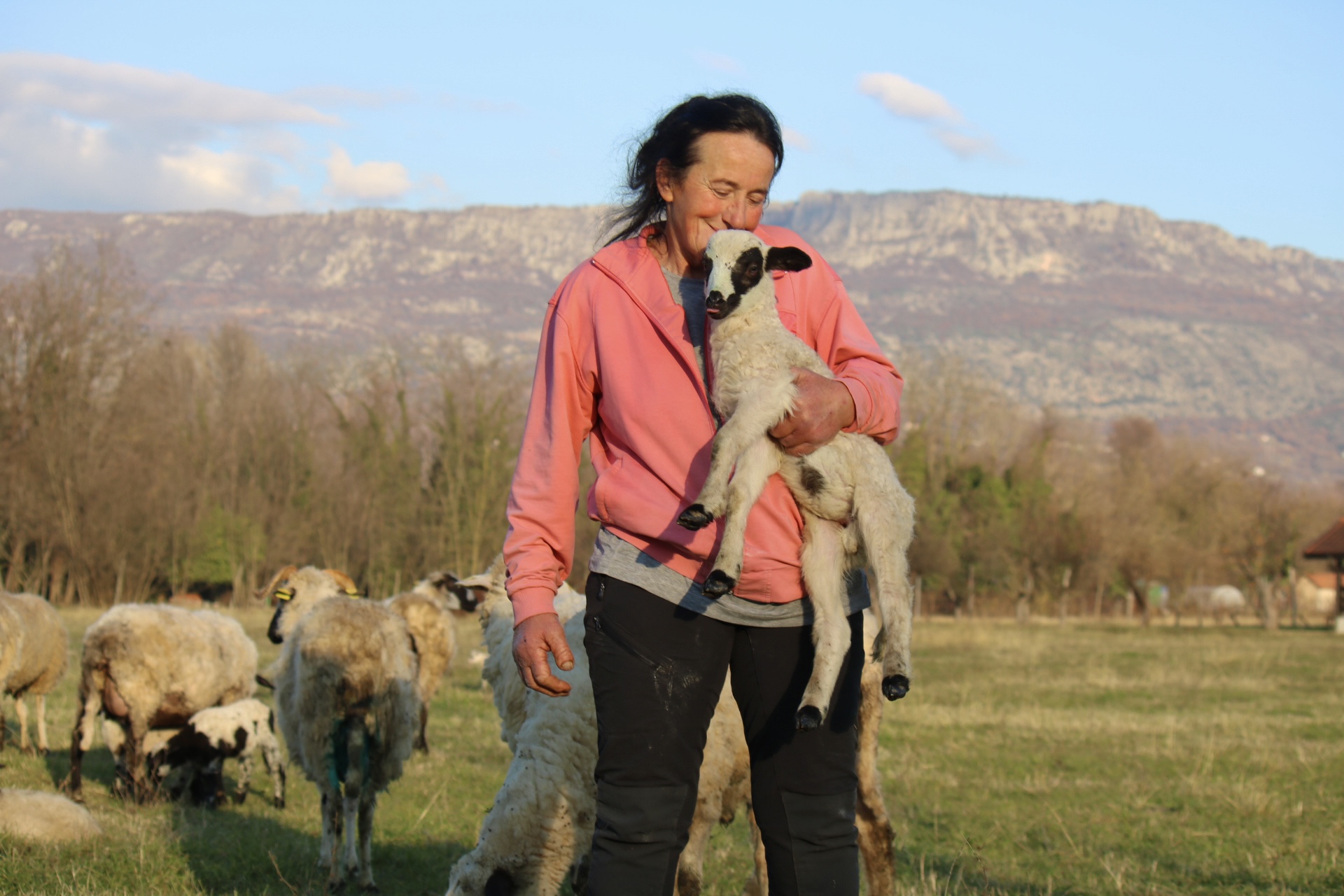
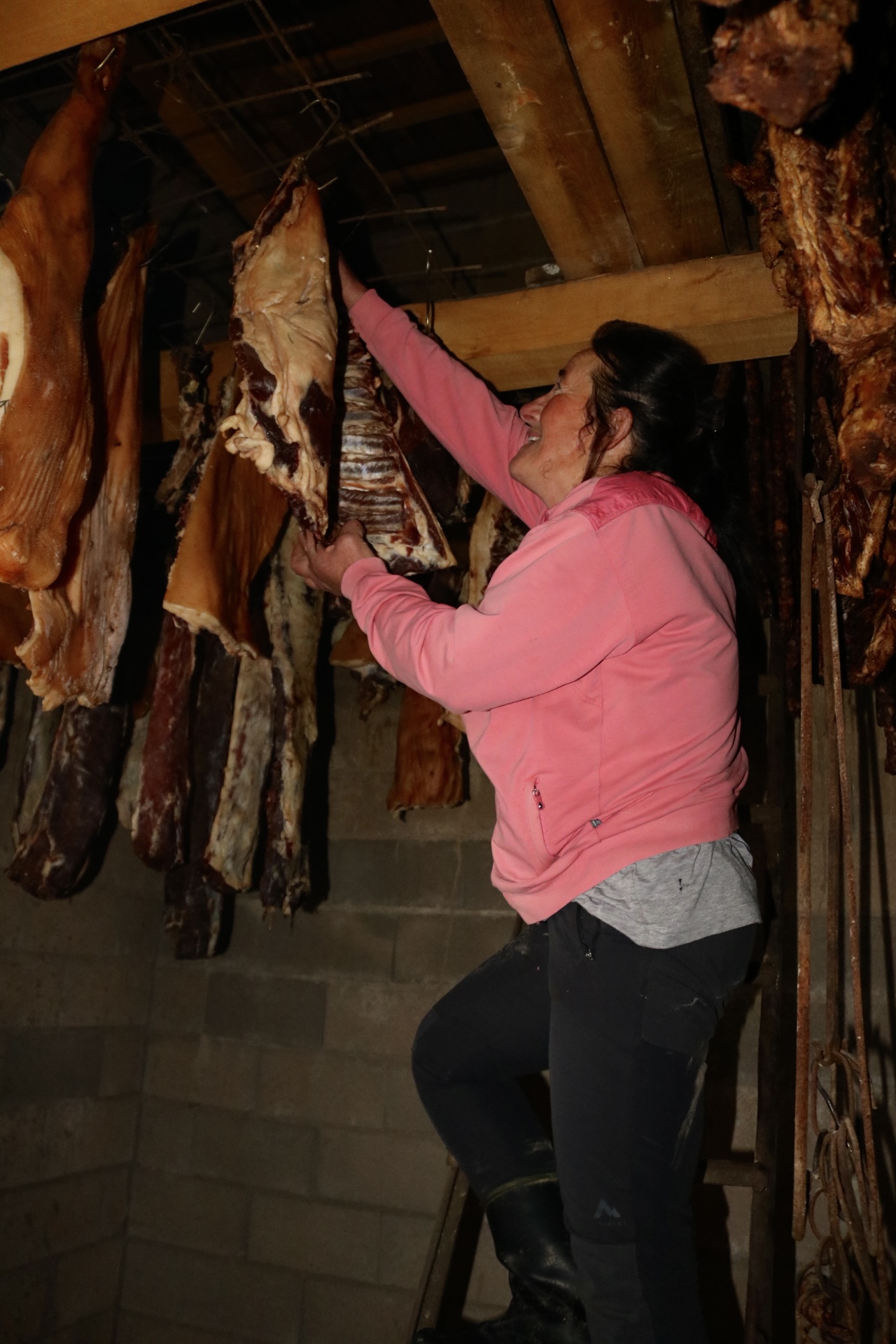
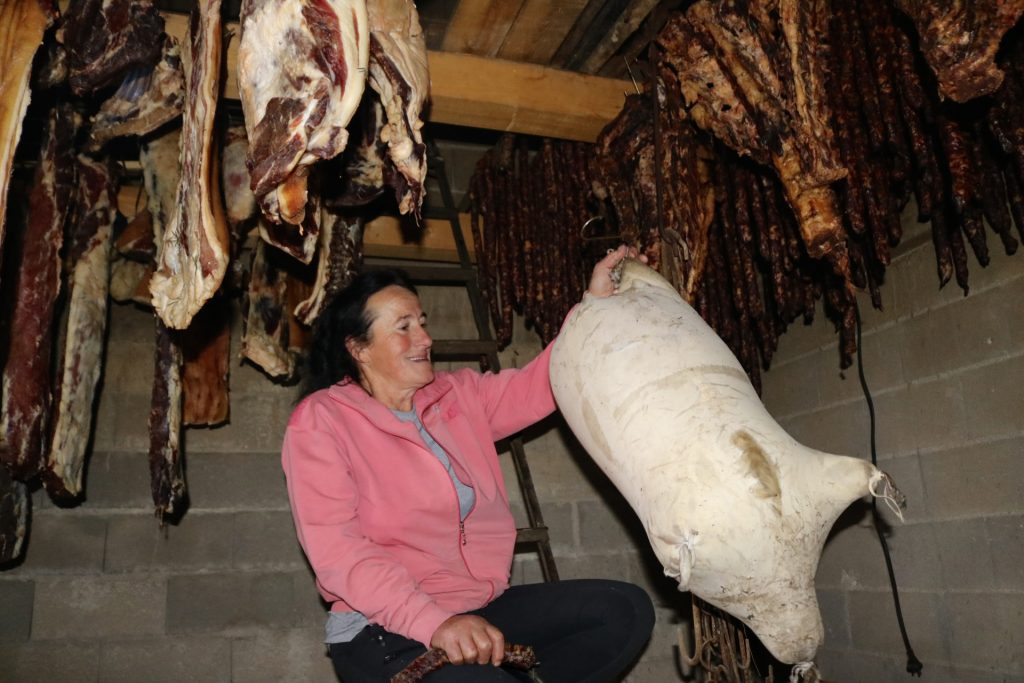
According to Gara, wind turbines, wherever they are on the mountain, would destroy Sinja(je)vina. “It won’t be the same as it is now: the herbs will lose their health, the animals won’t have the same quality of life, and the meat will be of lower quality. Sinja(je)vina as it is now would be lost forever.” For Gara, a wind farm in the nature reserve is not an option; she stubbornly says, “The only sound I want to hear on Sinja(je)vina is that of the cowbell.” She sees it as her duty to protect the mountain from what’s to come: “I’m ready to die for Sinja(je)vina.”
Across from Gara, her nephew listens from an oak chair. He doesn’t seem surprised by his aunt’s determination. While Gara hands him a plate of lisnati, she says: “Our whole family grew up on the mountain; my grandparents, parents, me, my sons, daughter, nephews, and nieces. Sinja(je)vina has been our home for 150 years.” Although she speaks in Serbian, the emotion behind the words is palpable. “I lose a part of myself if Sinja(je)vina is lost.”
Peaceful coexistence
Glavicanin understands that the shepherds are frustrated but also thinks that the wind turbines don’t necessarily have to limit their way of life. “It’s a big mountain; if the turbines are built far from the Katuns, the mountain dwellers won’t be bothered.” He also says, “The shepherds are preparing for the fight, but I think it would be wise to wait for the investigation first.” The Director of Environmental Protection, Milan Gazdic, says, “There’s certainly a chance that life on the mountain can coexist with the placement of wind turbines.”
The shepherds have no expectations of the investigation: “They will write it in their favor.” According to them, the environmental guidelines of the shepherds differ from those of the government. Also, the investigation does not look at the quality of life of the mountain dwellers.
Modern shepherds
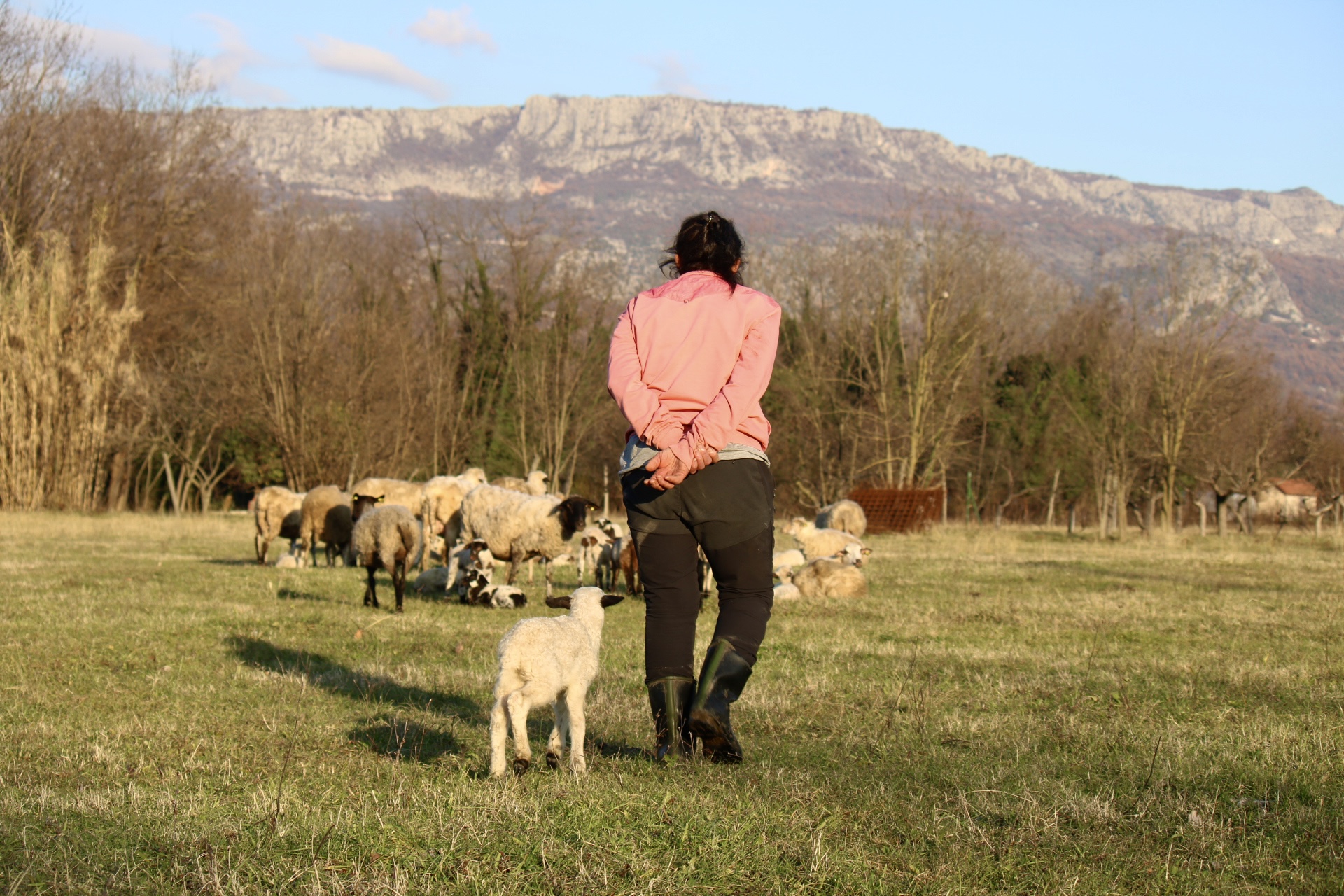
In her life, Gara has seen the shepherding life change: “When winter came, we traveled with all the shepherds on foot from the katuns to the villages. It was a beautiful sight; the families formed a line with their animals over the winding roads of Montenegro. We had to walk for days like that,” Gara recalls, while a mild laugh reveals her visibly deteriorated teeth. But even the mountain dwellers sometimes give in to the convenience of the modern world; the long hikes have made way for quick car rides.
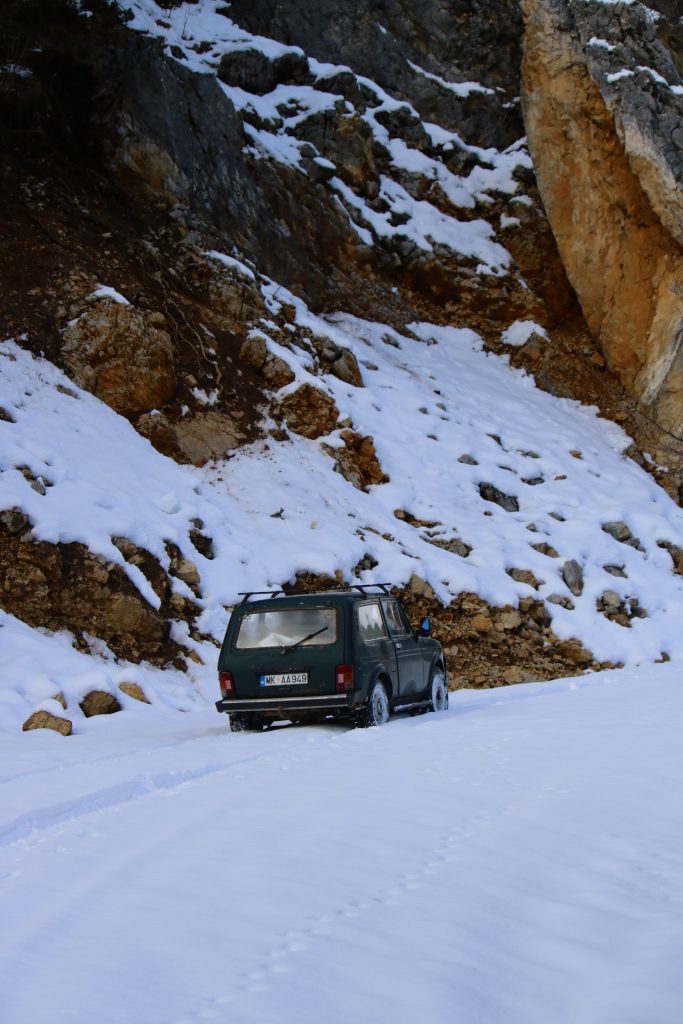
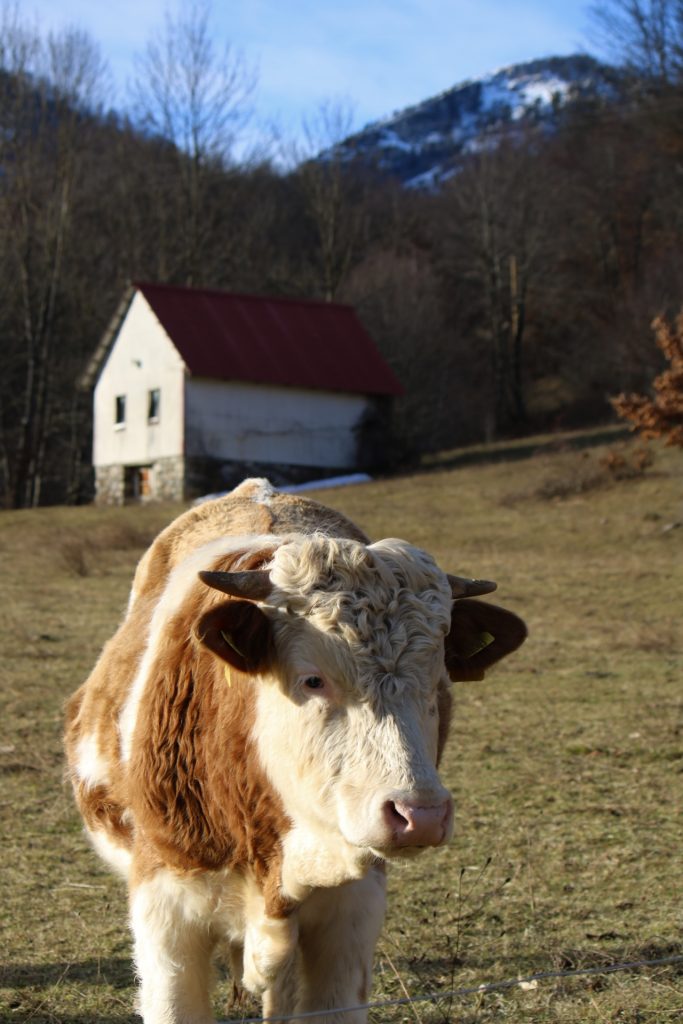
Isn’t it time for the shepherds to embrace the modern life in more ways? “Never,” the shepherds firmly believe. “If we give up the traditional way of life, we lose all of this,” says Novak Tomović, pointing to the mountains around him. With his large mountain boots, he steps into the deep footprints in the snow left by his predecessor. “All life depends on nature. If we disrupt the balance, it will have consequences for everyone.”
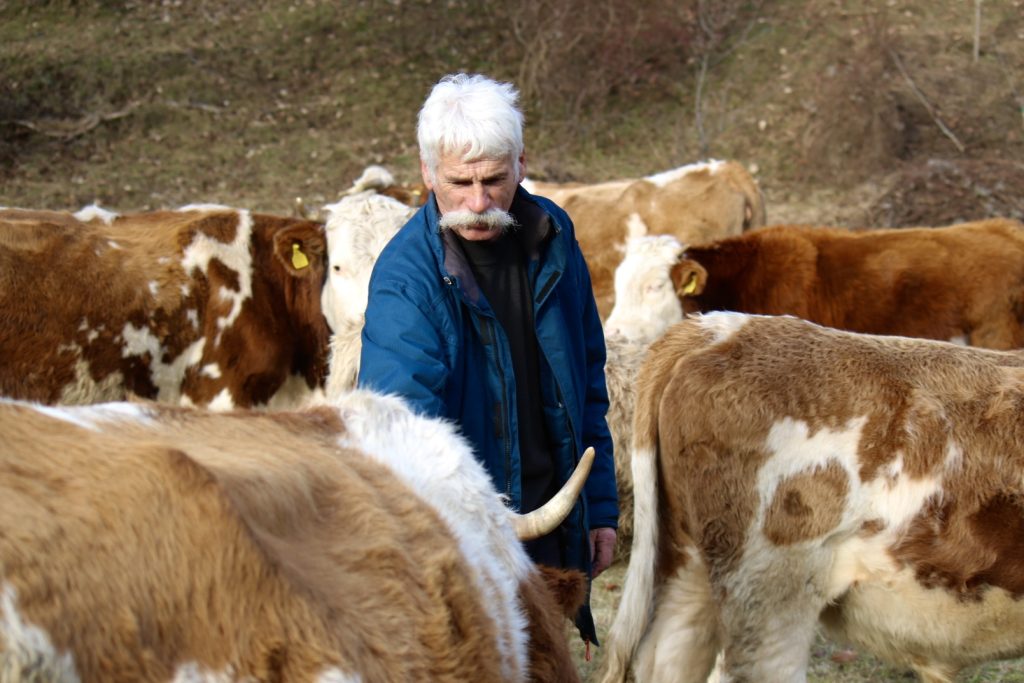
Kuyek agrees with Novak: “We can learn so much from these shepherds; what real healthy food is and how to live in harmony with nature. People need to be open to their story.”
When the men reach the first katun, they stop at a water point in the ground, created by the shepherds. Squatting down, Novak unscrews the cap of his metal bottle and fills it with ice-cold water from a wooden well. “Purity doesn’t get any better than this. It almost tastes sweet,” he says. The sparkle in his eyes gives away his sense of happiness. “We will win this fight, even if it costs me my life. We are not fighting for ourselves, but for the future. So that my grandchildren can feel this too. This fight is for everyone.”