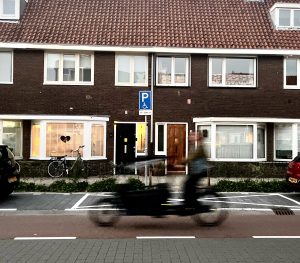
Delivery drivers, parents with children and business owners: more and more people in the Netherlands are getting around by cargo bike. These large, often electric bicycles have become an increasingly familiar sight on Dutch streets. Especially in cities, their growing popularity is changing the way the limited public space is being used. Cities are calling for changes and stricter regulations for electric vehicles. “Our cycling infrastructure dates back to a different era, while cycling itself has changed significantly since then,” says traffic expert Teun Uijtdewilligen.
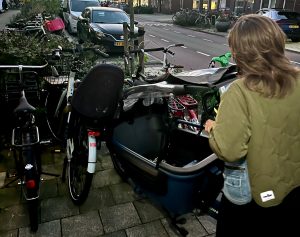
From training wheels to racing bikes: bicycles have been taking Dutch people from A to B for generations. Yet Uijtdewilligen sees a new development emerging. “Bicycles used to be generally smaller and slower. Nowadays, cycle paths can sometimes feel more crowded, partly because of the arrival of larger cargo bikes. There are also greater differences in speed, and cargo bikes take up more space in bicycle parking areas.”
According to Kees Bakker of the Dutch Cyclists Union the cargo bike has mainly become a symbol of a broader problem. “Cycle paths have become busier, and there are many more people in cities. The cargo bike has become a symbol of complaining and irritation.”
Safety
Traffic expert Uijtdewilligen also notices that cargo bikes can cause frustration, but he believes there is another issue to consider: safety. “What we know from traffic safety theory is that greater differences in speed can often lead to more serious injuries in the event of a collision. That risk increases further when there is also a significant difference in weight.”
When it comes to the shortage of bicycle parking spaces, Bakker from the Fietsersbond does see a possible solution. “Someone with a cargo bike may not own a second car or may not own a car at all. In that case, we could make it easier to convert, for example, car parking spaces into bicycle parking spaces.” Uijtdewilligen sees no simple solution to the growing congestion on cycle paths. “The million-dollar question is: how do you solve this? You could significantly widen cycle paths, but perhaps we also need to look at the number of bicycles using them. In some cities, there are simply too many. Maybe it is time to put a limit on further growth.”
Ready for the Masses
According to research by Dutch knowledge platform CROW, nearly 200.000 privately owned electric cargo bikes were estimated to be in use in the Netherlands in 2025, with around 20,000 more added each year. “E-bikes continue to grow in popularity, and the same will probably be true for cargo bikes. Especially now that cities are becoming increasingly car-free and businesses are switching to electric vehicles more often,” says Uijtdewilligen.
According to Bakker, the cargo bike is mainly a highly visible symbol of this broader development. “It is a kind of symbol of the growth in cycling and the increase in speed. And it stands out.” For European cities that still have limited cycling infrastructure, Uijtdewilligen believes there is an important lesson to be learned. “When you build new cycling infrastructure, you need to reserve enough space for large and fast bicycles. Because if cycling becomes more popular, cycle paths will eventually have to be able to handle the increased traffic.”
Bakker also sees a role for motorists. In his view cyclists and cars do not always have to be completely separated. They can also share the road, as long as motorists behave more like slow-moving traffic. “Not someone who is in a hurry to get through, but someone who takes cyclists into account.”