Serbia’s recent parliamentary election victory has raised hope of a fresh start in its effort to join the European Union. But while the EU sees an opportunity to revive the country’s accession process, major challenges remain. From democratic reforms at home to Serbia’s foreign relations with Russia and Kosovo, the future remains uncertain.
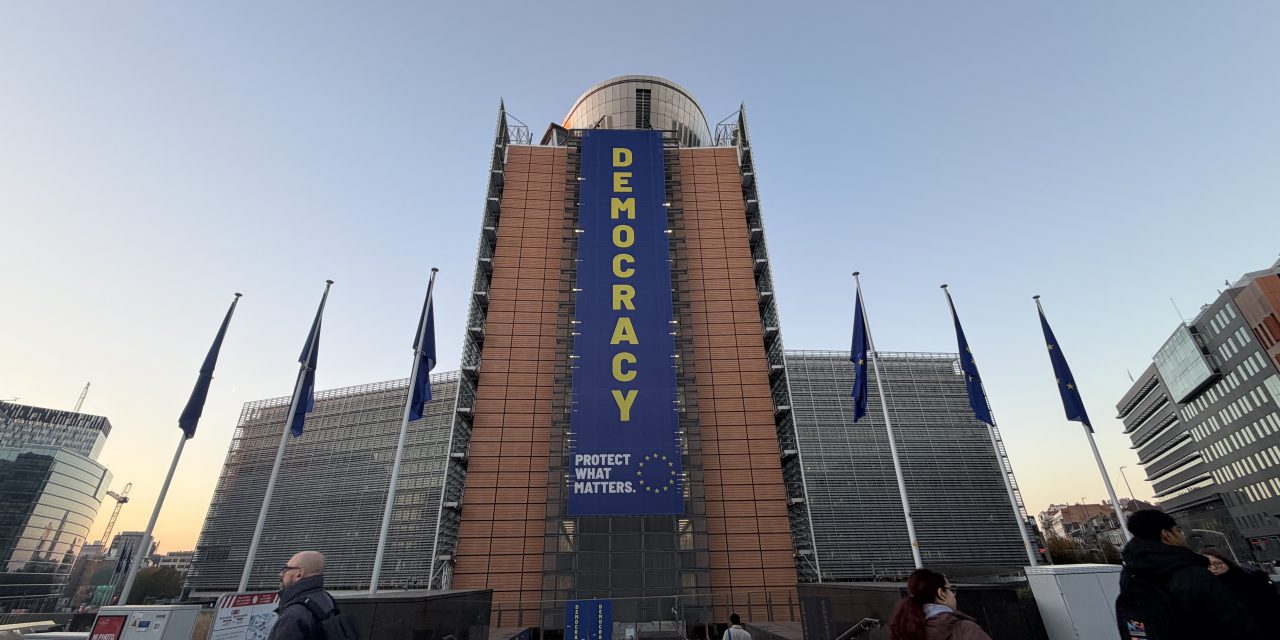
In Brussels, the future of EU enlargement is once again a topic of discussion. Last week the European Commission adopted its annual Enlargement Package, where the progress of candidate states is analysed and reform priorities are set out to pave the way forward for the countries.
Montenegro and Albania are currently among the most advanced candidate countries in the accession process. Yet one of the region’s most influential states, Serbia, remains far behind in the process.
The recent parliamentary election could offer an opportunity to change that. After the Student List won the parliamentary elections in Serbia, European Commissioner for Enlargement Marta Kos said the result could mark a new start for Serbia on its European path. However, progress will depend on whether the new government commits to democratic reforms and aligns its foreign policy more closely with the EU. As of right now, the movement is still in process of forming a government.
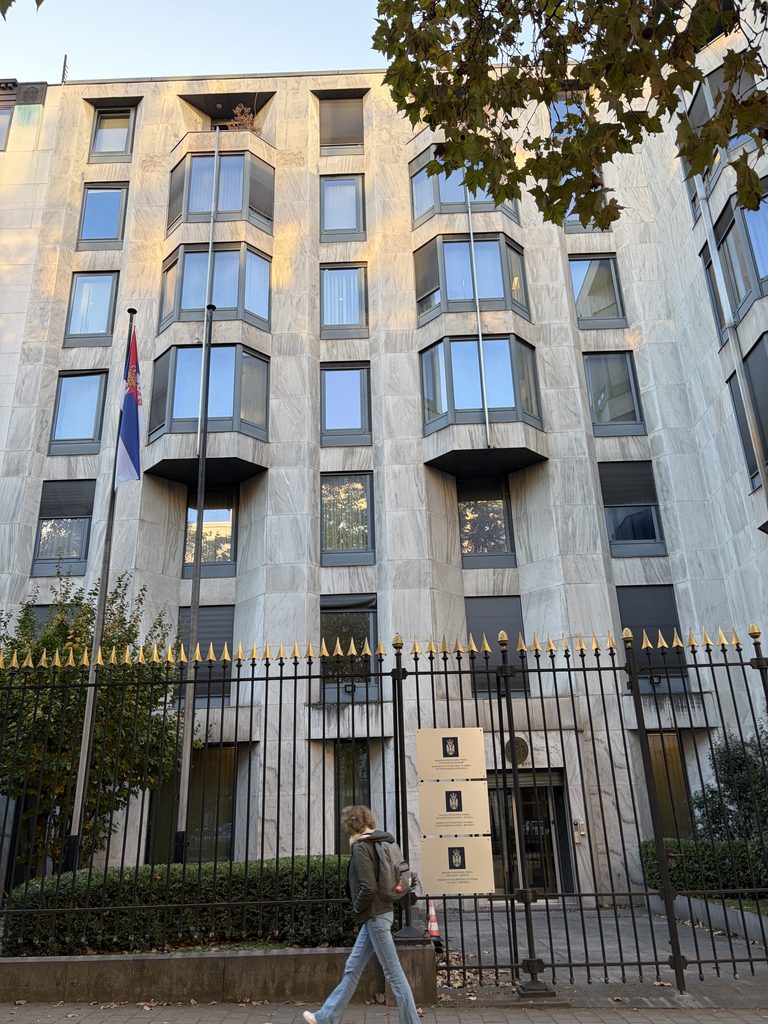
‘The Student List’s core values are closely aligned with those of the EU’, according to Member of the European Parliament (MEP) Thijs Reuten (S&D). He believes that the government should adopt a new approach by presenting an honest account to the public. ‘The reforms would benefit everyone in Serbia, while they will also facilitate closer integration with the European Union. If we are being honest, if they don’t practice the reforms, things will remain on standstill.’
Over the years the Union has lost its credibility in Serbia. Belgrade correspondent Pavle Kosić shares that ‘public opinion in Serbia has been exposed to years of anti-EU narratives in the media, promoted by the Serbian Progressive Party government, as well as Russian propaganda.’ However, he also notes that a significant number of citizens would still like to see Serbia become a member of the EU. ‘For that to happen, though, political will is needed not only in Belgrade, but also in Brussels and among EU member states.’
However, a change in government does not automatically mean a change in Serbia’s foreign policy. According to Kosić, ‘two of the biggest challenges for Serbia will be its relationship with Kosovo and its continued ties with Russia.’
‘Serbia does not recognise Kosovo’s independence, while its refusal to join EU sanctions against Russia following the invasion of Ukraine is seen as another controversial aspect of its policy by Brussels,’ he explains. Kosić argues that Serbia’s dependence on Russian gas and Moscow’s support for Belgrade’s position on Kosovo make it particularly difficult for a shift in foreign policy to happen.
Reuten, however, believes that Serbia will eventually have to align its foreign policy with that of the EU, including on sanctions against Russia. He acknowledges that energy dependency is a practical concern, but argues that the Union could help Serbia find alternative energy supplies. ‘We did that with Moldavia and with other countries, so we can do that with them as well.’
At the end stage of their accession processes, the Montenegrin government and the EU meet regularly to discuss what reforms have been achieved and which ones are yet pending. According to Reuten, this is an approach that enables both parties to achieve the same objective rather than simply assessing whether the candidate country has met all the criteria.
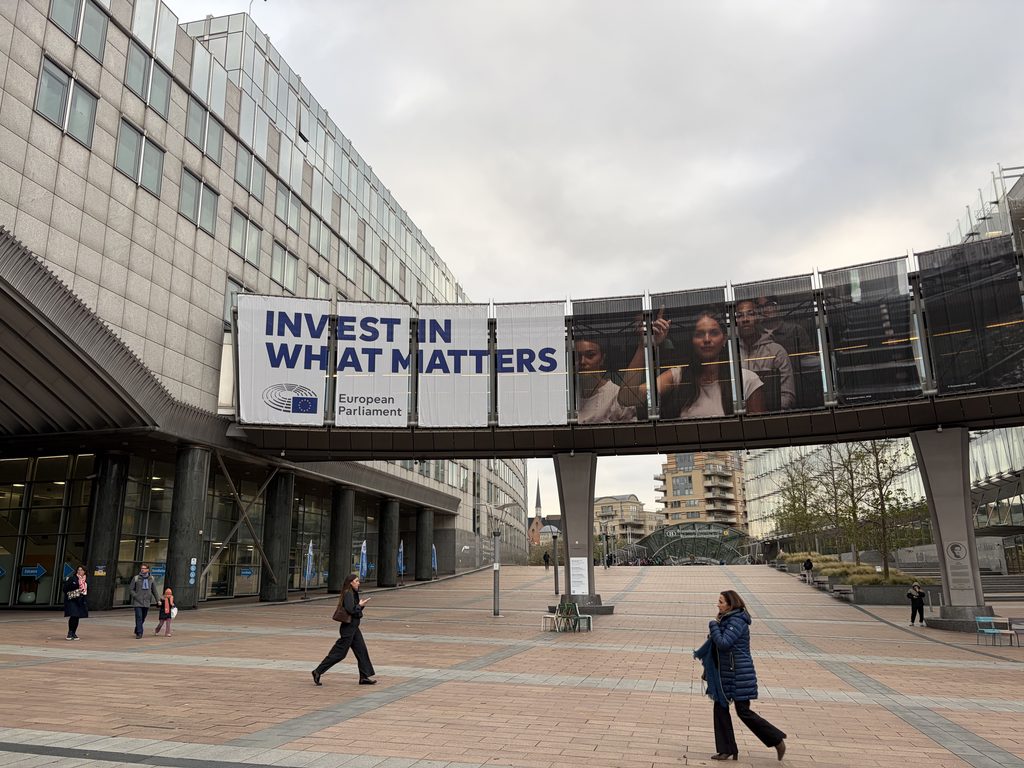
The EU has also introduced gradual integration where candidate states will experience the benefits of membership even before becoming members of Union. Reuten believes this could help change public perceptions in Serbia. ‘If we can move in that direction over the next year or two, I am sure that sentiment towards the EU will gradually become more positive in Serbia,’ he argues.
However, he points out that the initiative cannot come from Brussels alone. Serbia’s political leadership and citizens must also want to move closer to the EU. “In the first place, you have to want it yourself,” he states.
The formation of a new government is only the first step towards EU accession. The country’s ability to resume accession negotiations depends not only on the efforts of Belgrade but also of Brussels. As the EU prepares for a potentially larger Union, Serbia’s place in that near future still needs to be determined.