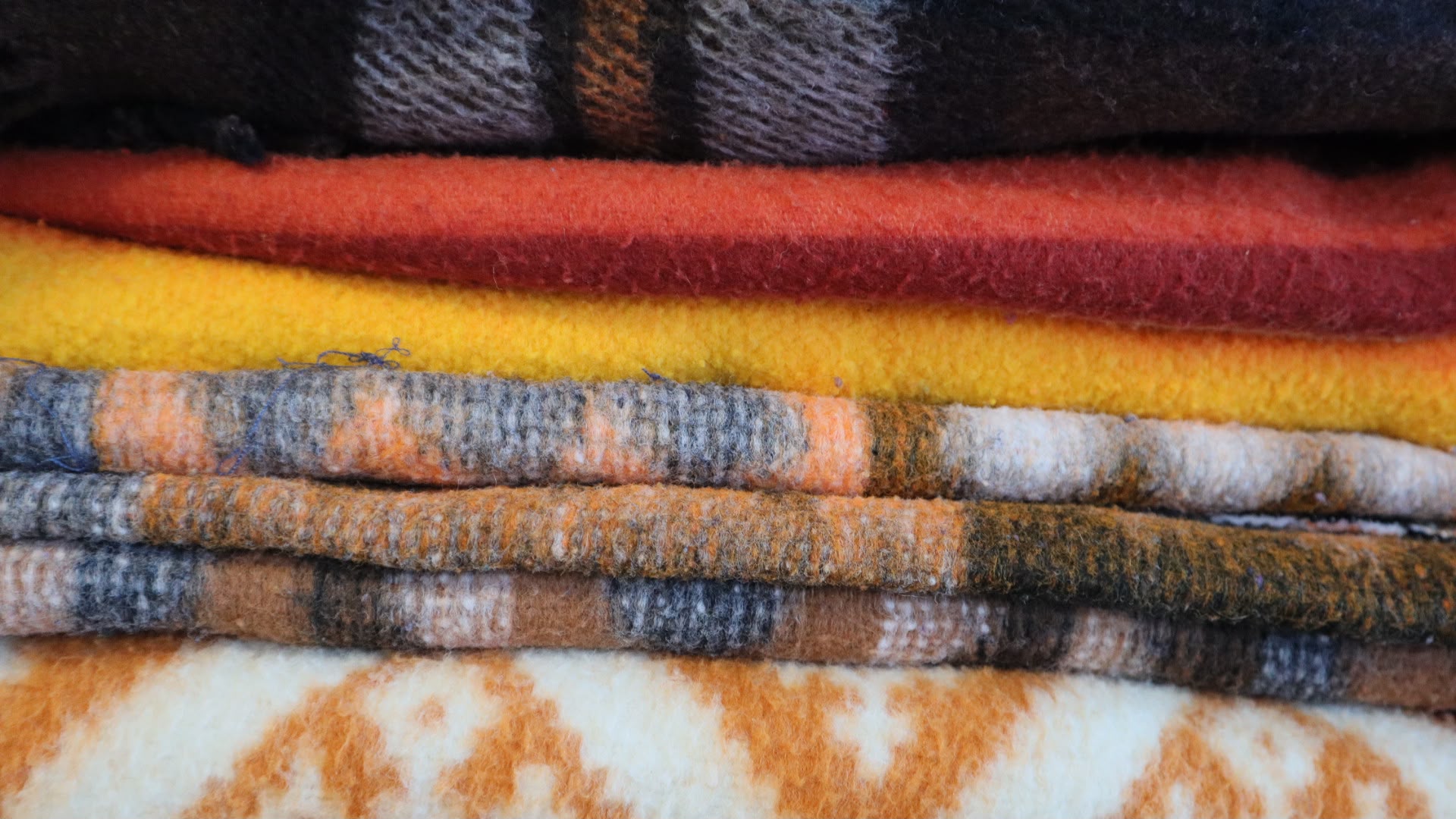
Old blankets at Studio Virgule being measured and folded
The European fashion industry is facing a growing challenge, how do we reduce textile waste? New EU regulations research into recycling textile and set a goal to ensure all textile on the EU market is sustainable and reusable.
The rise of fast fashion has ensured that on-trend clothing is produced and sold cheap. This growing demand has led to significant environmental consequences, due to an extreme overproduction. According to the European environment agency (EEA), EU citizen have consumed about nineteen kilo’s of clothing, footwear and household textile per person in 2022. In that same year the EU was responsible for almost 160 million tonnes of greenhouse gas emissions. About 70% of these emissions occurred outside of the European Union. They mainly come from Asia, where most of the textile production takes place.
The textile problem
These numbers show that the textile problem extends beyond the continent of Europe, yet the question still stands on how Europe can reduce its impact on the environment and move towards a circular textile industry.
Laurie Pazienza is an energy and climate change engineer in Brussels and also a public speaker for climate change at events. “Only about 12% of the textiles on earth are recycled, which is drastically low.” The rise of a new kind of fashion which is cheap and has poor quality has set the planet back on terms of sustainability. According to Laurie the disposal of clothes creates some pollution, over 80% of the fashion industry’s climate impact actually happens before the clothes are even worn. This happens when we make the fabrics, dye them, and run the factories.
“The EU 2030 sustainable textile strategy certainly is a start, but we need to tackle this problem with the entire world,” Laurie explains. The EU 2030 sustainable textile strategy is a set of laws and goals to prepare the European market for a fully circular textile market before 2030. Laurie believes that this goal is a step, but not nearly enough to prevent climate change. Right now Laurie is at the COP31 in Turkey to report about the climate summit for her followers online.
Rethinking the way clothes are designed
One aspect of the transition towards a circular textile industry is also the design process itself. Rather than relying on newly produced materials Danish company Imperfect Industries explore the possibilities of reusing existing textiles and materials which would in any other circumstance go unused.
“we collect garments right before they get destroyed,” tells Hanna Saurén. Hanna is the founder of company Imperfect Industries where she and her colleague go through containers of clothing which are close to being completely discarded. Instead of allowing these garments go to waste Hanna mends and cleans them to create them into new shirts. Her past as a Print operation manager at large fashion industry H&M, gave Hanna a unique insight on nowadays’ fashion market. “H&M is already doing a lot to move towards a circular economy, yet its largest problem will always be overproduction,” she explains.
“The largest problem will always be overproduction”
Hanna Saurén – founder Imperfect Industries
The challenge of managing a full warehouse and full demand without having to discard textile is a problem many Chinese companies also seem to be dealing with. The rise of Chinese companies such as Temu or Shein gives smaller circular start-ups such as Imperfect Industries a hard time, “we almost can’t compete.” The upcoming demand of on-trend clothing for small prices is the biggest problem according to Hanna. “The circular process starts by reusing and eventually moves on by recycling,” these Chinese companies produce with such low quality textiles that the garments can’t even be reused in the first place – that is where the problem lies. The 2030 EU textile goal sparks some hope for Hanna that perhaps one day the rest of the world will follow.
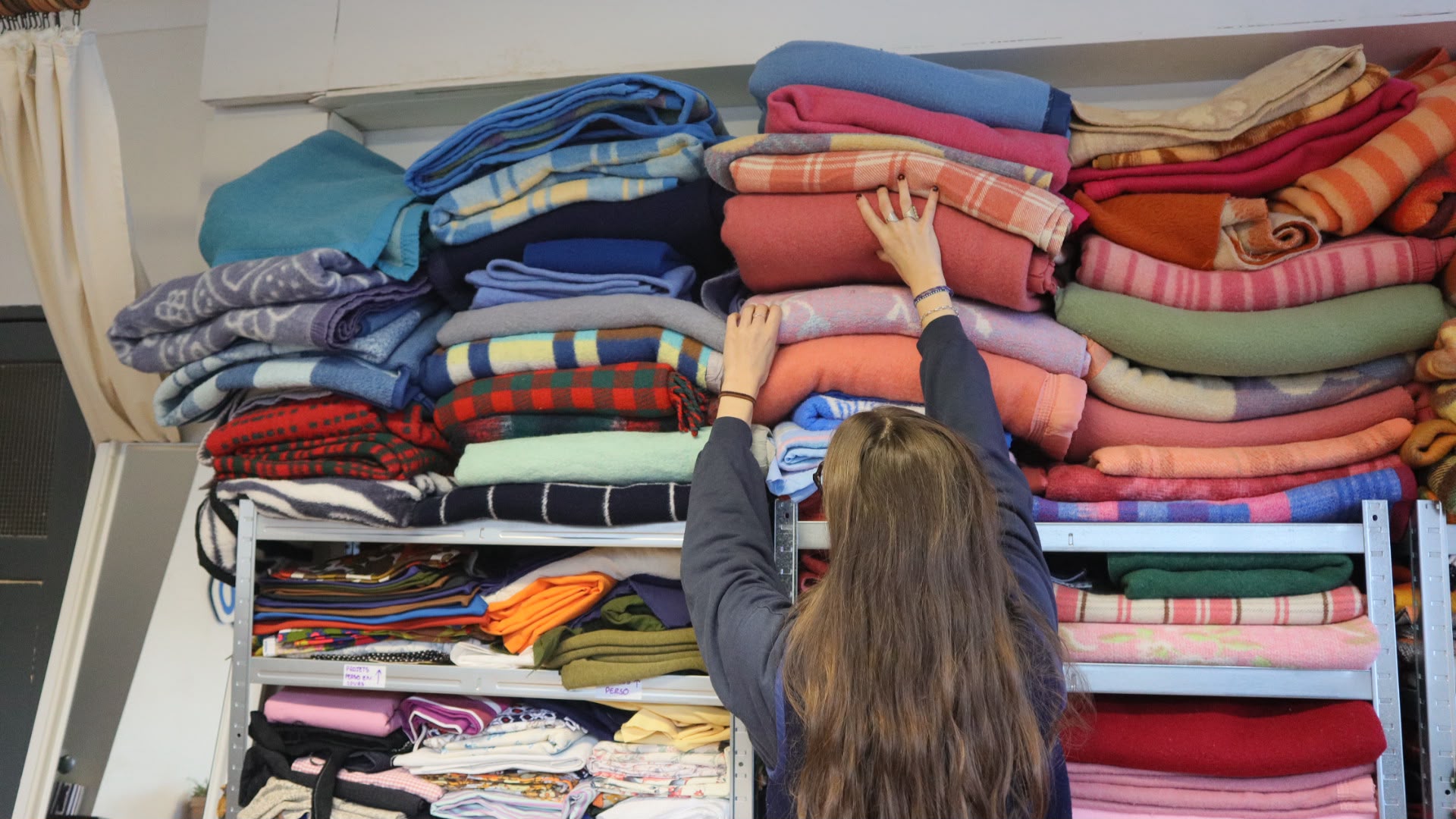
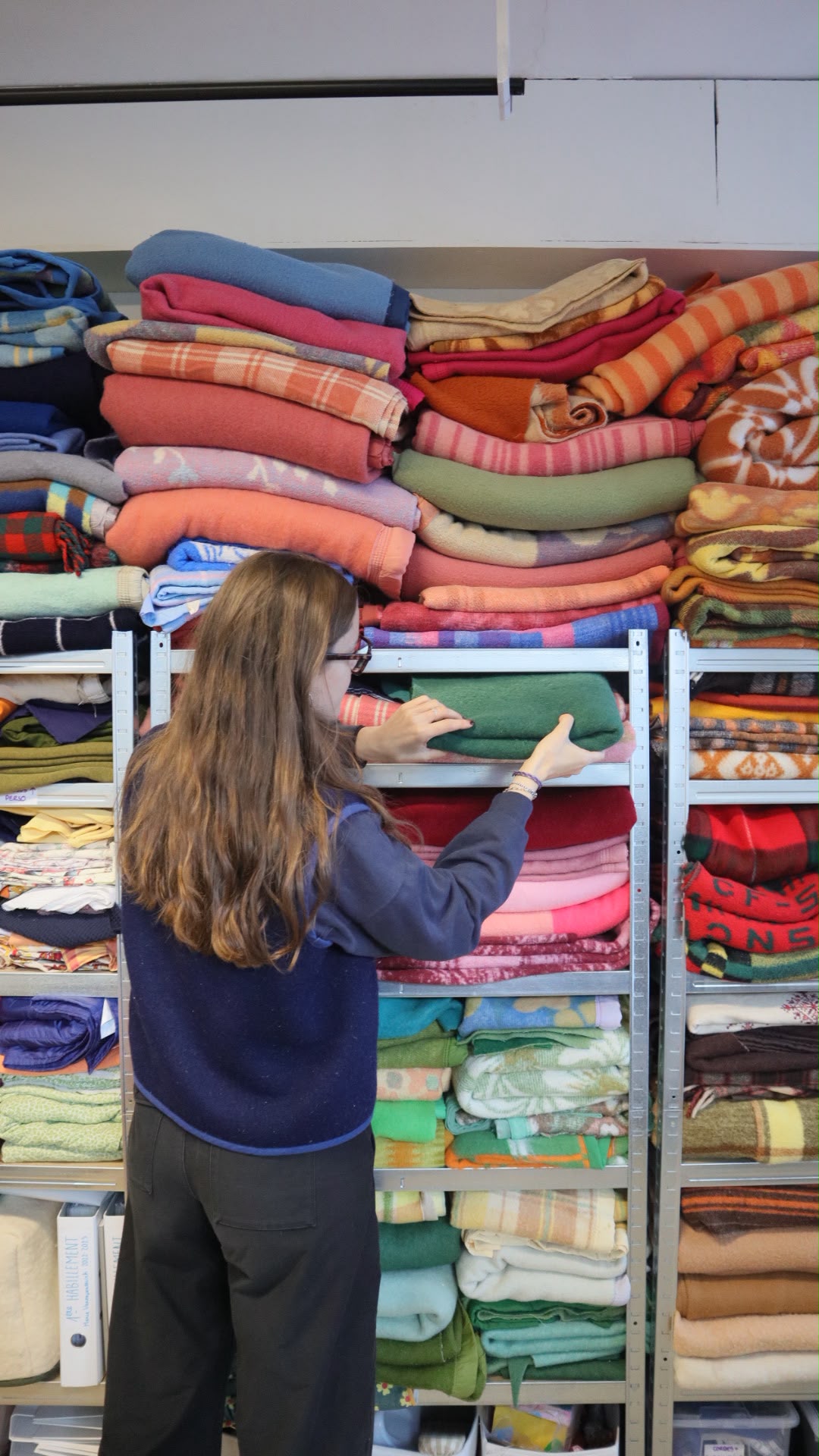
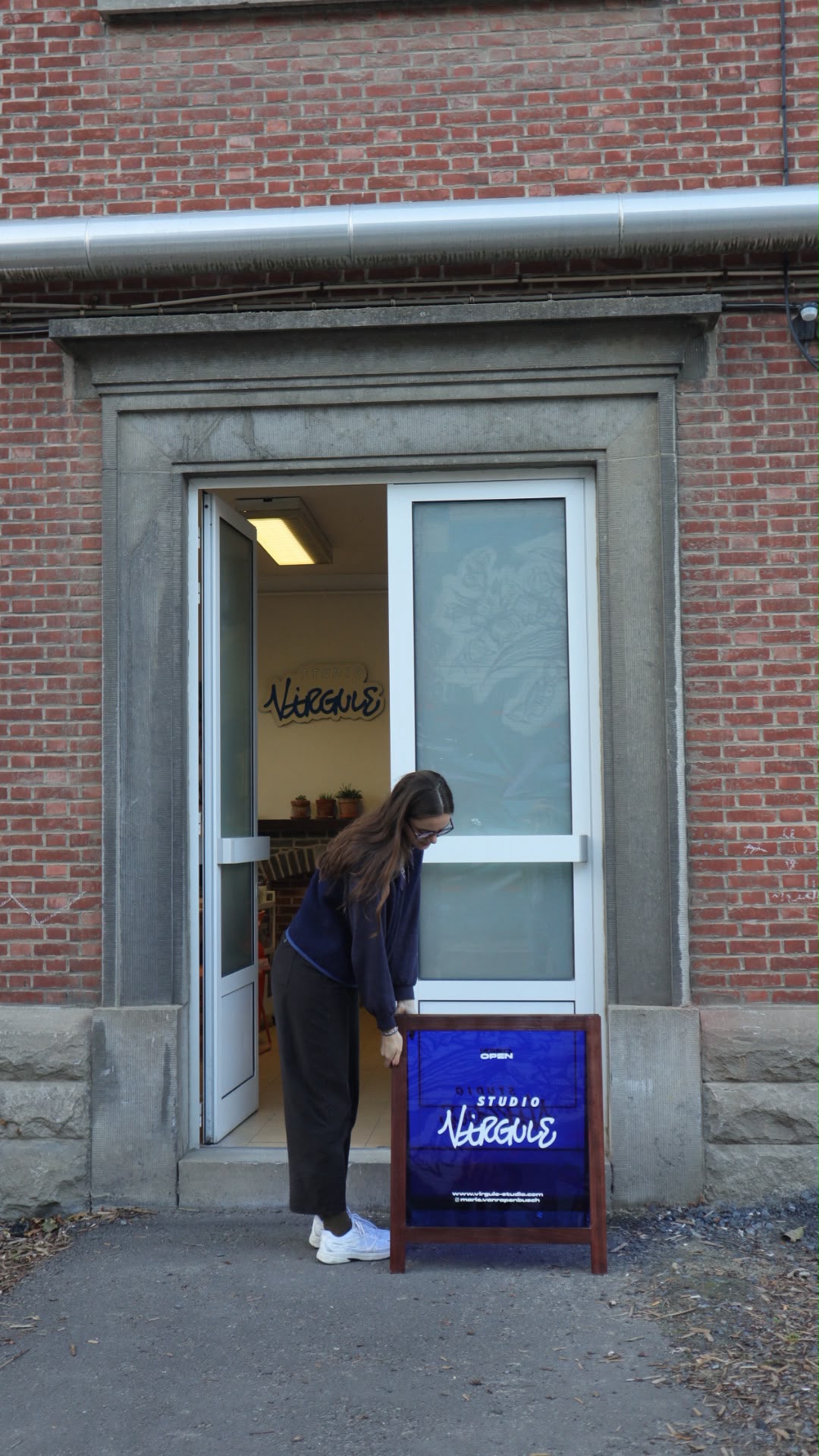
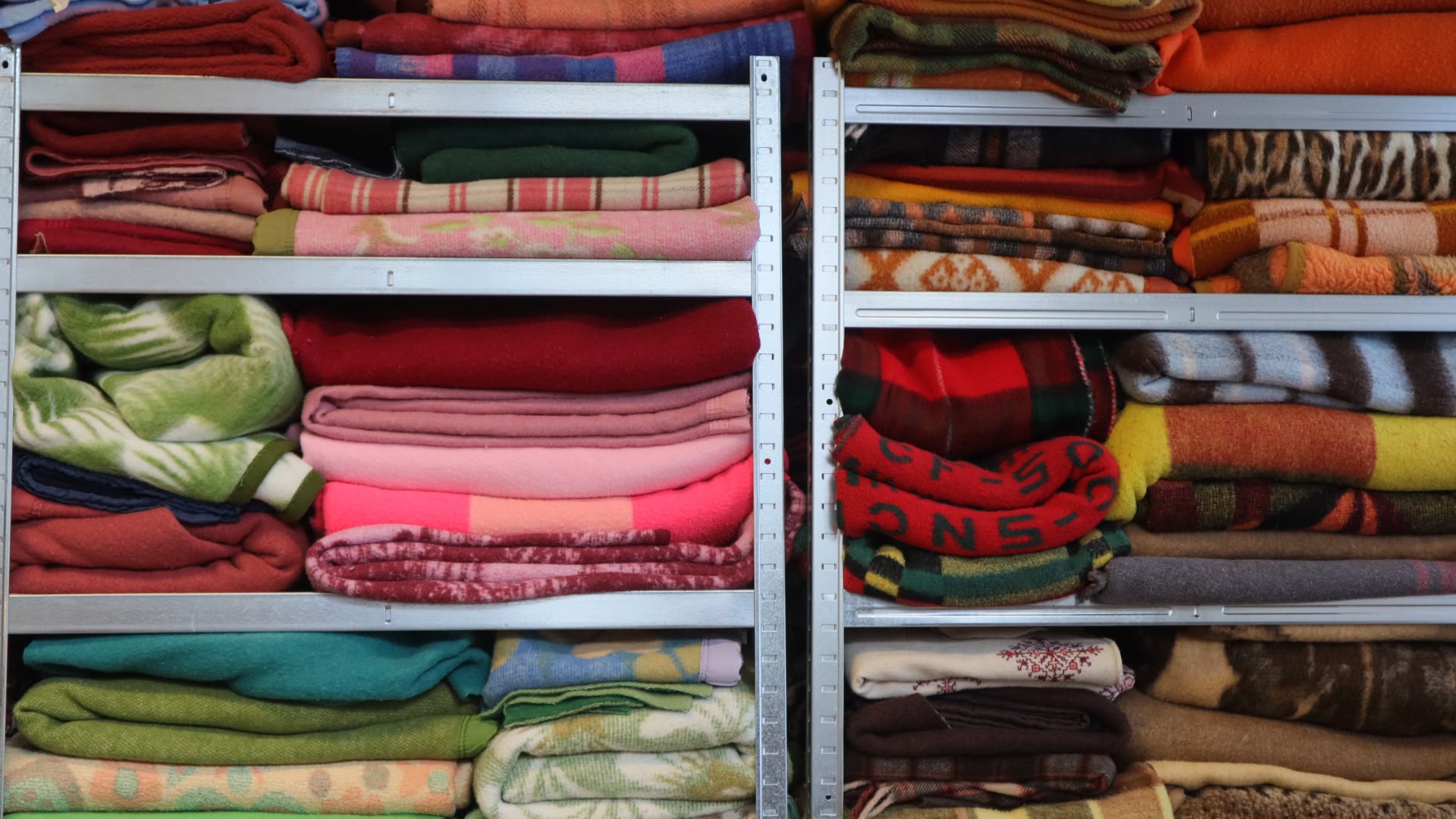
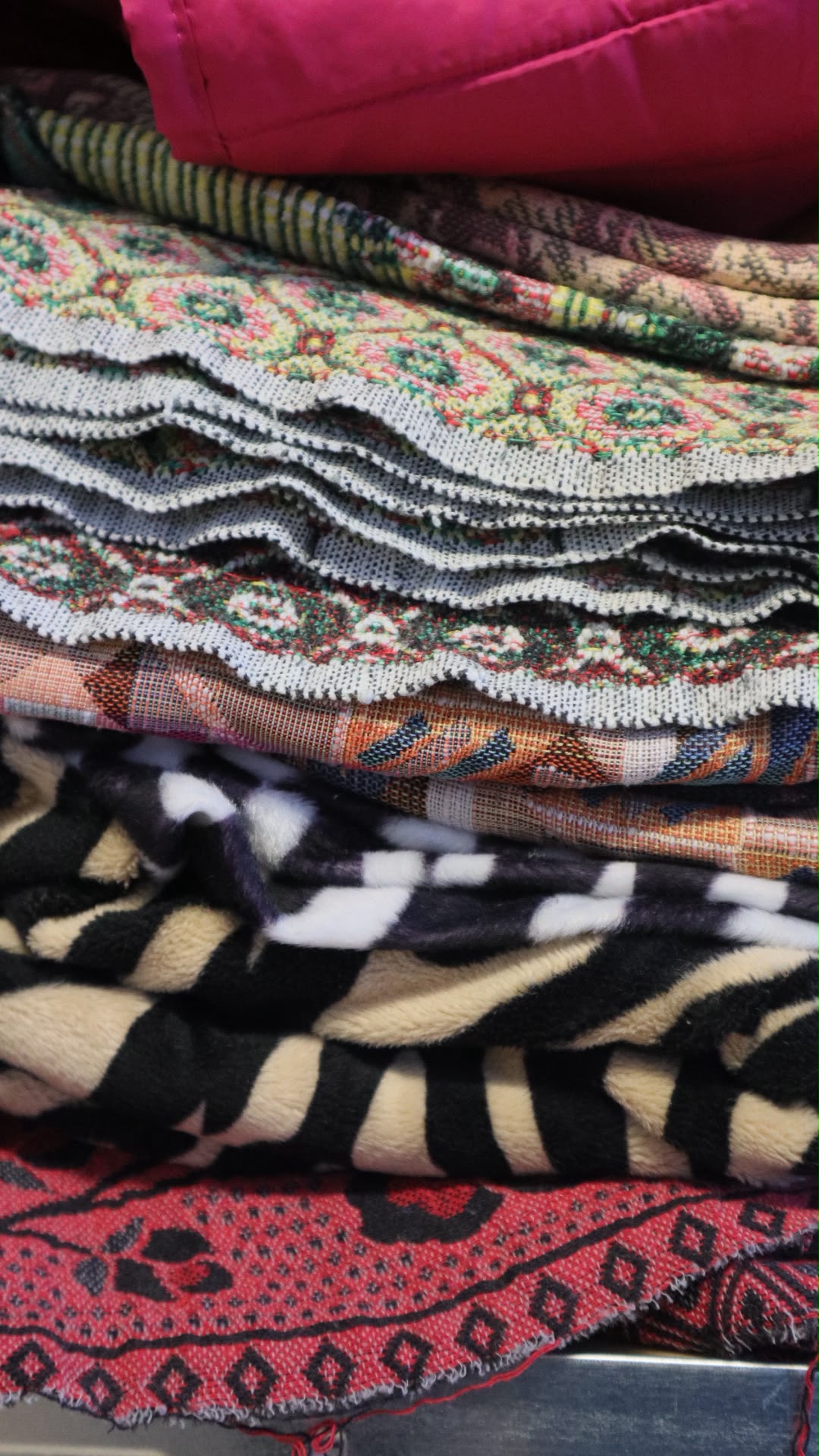
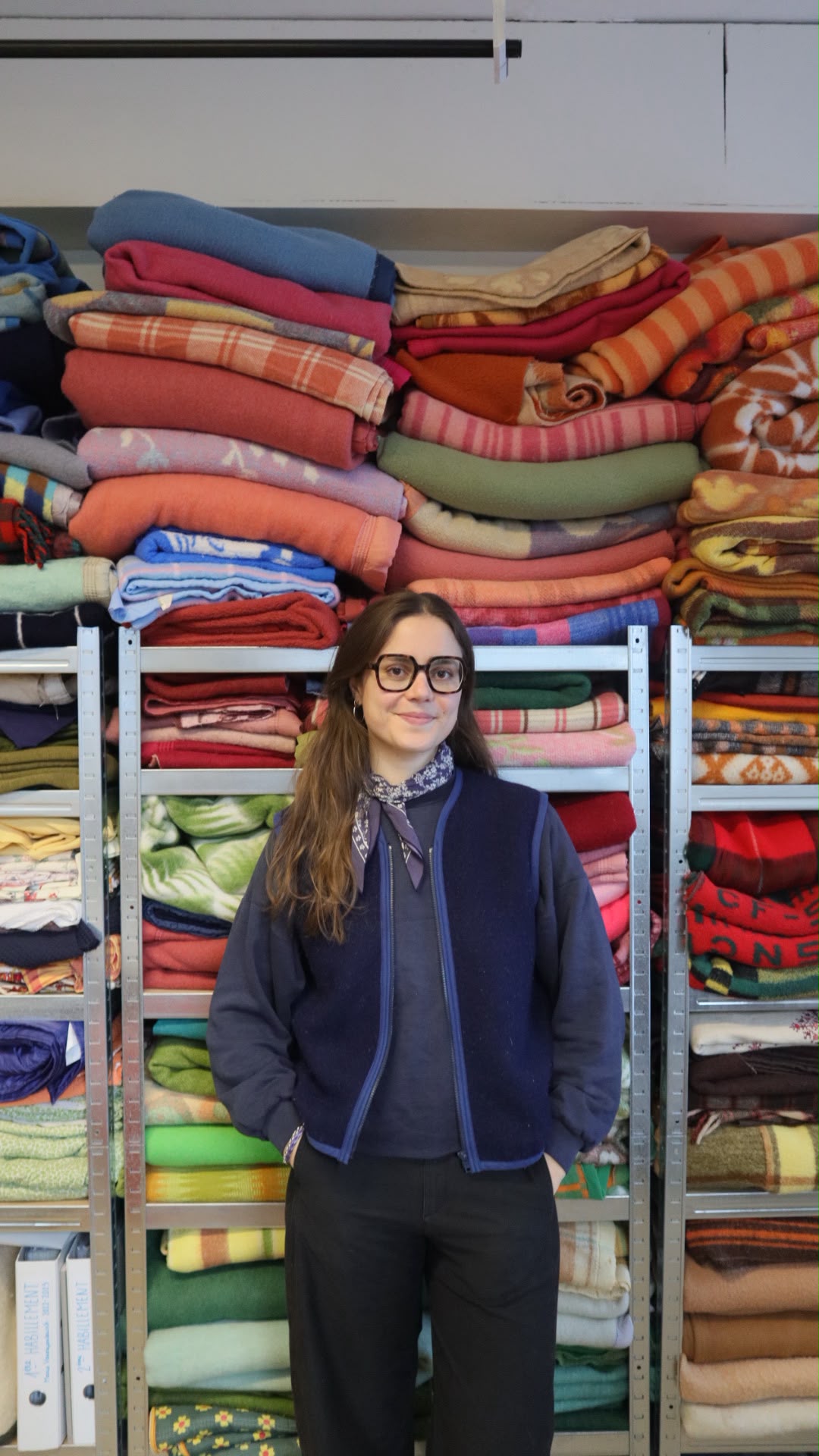
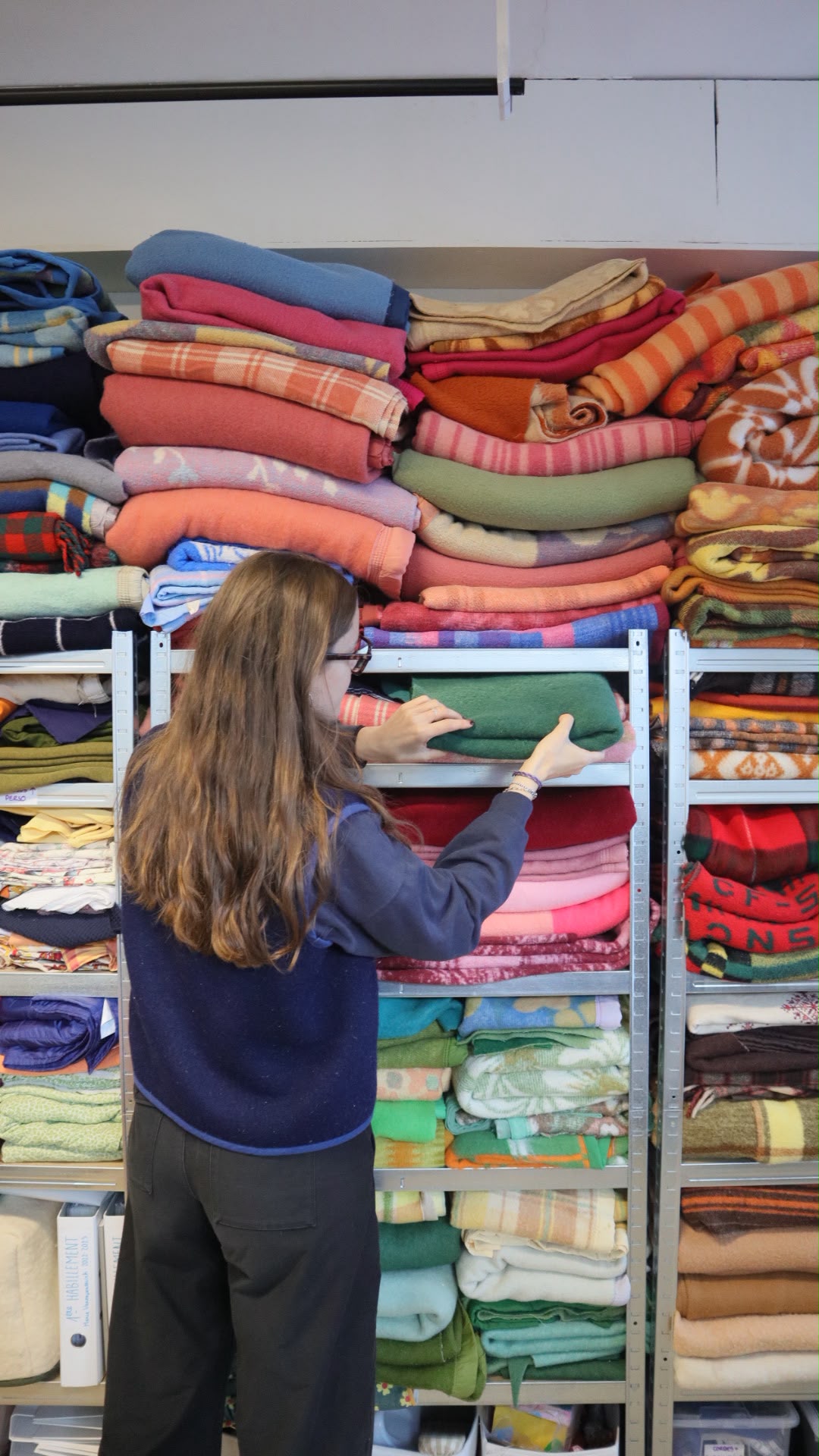
Photo credits: Lotte Smithuis