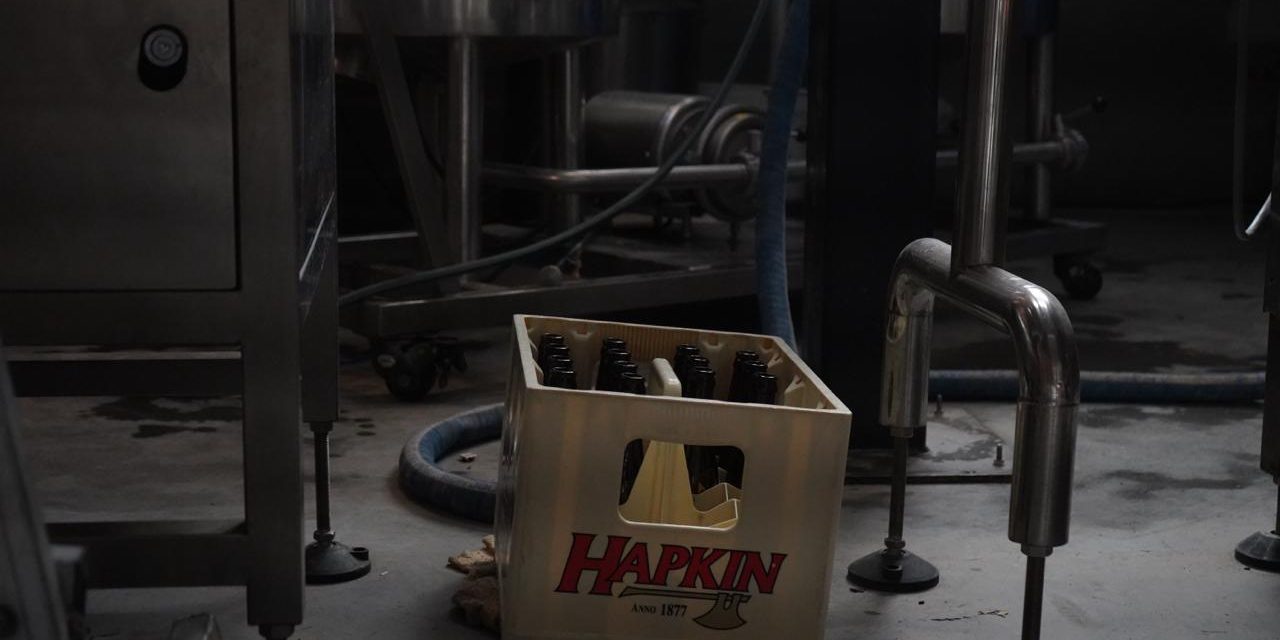
Belgium is internationally known for its beer culture, but the industry is facing significant challenges. According to Belgian Brewers, domestic beer consumption fell by 3.2% in 2025, reaching 6.19 million hectolitres. The number of breweries also dropped, from 411 to 395, with 28 closures and only 12 new breweries opening.
At the same time, non- and low-alcoholic beer is becoming increasingly popular. Figures from Belgian Brewers show that the consumption of these beers increased by 17% in 2025 and now represents 6.5% of domestic beer consumption. More specifically, consumption of beer containing less than 0.5% alcohol increased by 32%. This suggests that a change in drinking habits is taking place, as consumers are increasingly looking for alternatives to traditional alcoholic beer.
This trend does not only affect Belgium. According to the 2026 report by The Brewers of Europe, beer consumption across the European Union also fell by 3.2% in 2025, the same decline as in Belgium. However, volumes of non-alcoholic beer grew by 5.87%. The report also says that around one in every twelve beers consumed in the EU is now non-alcoholic.
All these figures show how the beer industry is being affected by changing consumer preferences, alongside other pressures such as rising costs and declining exports. For Belgium, where beer is an important part of its cultural identity, adapting to these changes is particularly relevant. This is why we visited local cafés and breweries to explore how these changes are affecting the people behind Belgium’s beer culture. The question is whether small breweries can adapt without losing what makes Belgian beer unique.