Bruges is a city full of contrasts. Walking through the historic city centre, visitors see beautifully preserved medieval buildings, while modern shops and restaurants hide behind their façades. Cars are rarely visible on the streets, yet underneath the city lies a hidden world of underground parking. According to Visit Bruges, one of Belgium’s largest underground car parks is located beneath ’t Zand. For filmmaker Maim Dedeene, these contrasts became the inspiration for a short film created in connection with BRUSK Brugge.
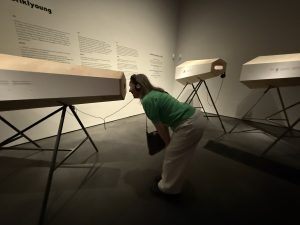
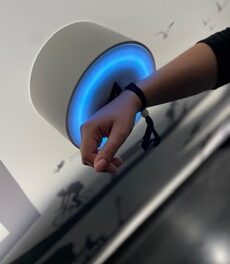
Guest in Bruges watching Maïms movie
Maim discovered the project through De Batterie, an organisation that develops social-artistic projects. When he saw the open call for young makers to create a film or artwork for BRUSK, he saw an opportunity to explore Bruges in a different way.
“I thought it was such a nice way to get to know other filmmakers in Bruges,” Dedeene says. Although he turned out to be the only participant with a film background, this allowed him to work with artists from different disciplines.
The idea for his film started unexpectedly. “When I look for inspiration, I often just start looking at locations on Maps,” he explains. While exploring Bruges, he discovered how many underground car parks were hidden beneath the historic city. Even as a Bruges local, he had never realised how extensive they were.

Bruges’ historic centre hides thousands of parking spaces beneath its medieval streets. The underground car park beneath ’t Zand alone has 1,887 spaces, while four other underground car parks in the city centre add another 799 spaces. Together, these five car parks provide 2,686 spaces beneath the city.
The film explores what happens when the human body enters these spaces. Together with a slapstick performer and his father, who is a dancer, Dedeene used movement to investigate the relationship between the body and the rigid, car-focused environment.
“The idea I really liked was the human body trying to fill these spaces,” he says. “They are not spaces you normally associate with Bruges, but we have all this infrastructure hidden away to make a tourist city work in the twenty-first century while still looking so old.”

Belgiums biggest underground biking parking in Bruges
The film follows two bodies entering the car parks separately. One moves through the space by dancing, while the other stumbles and falls. Eventually, they meet, get into an invisible car and drive back into the city. The story is simple, but Maim deliberately focuses on movement and sound rather than a traditional narrative.
The production itself was challenging. The team had only one day to film in three different car parks. To make matters worse, they accidentally recorded no sound. Dedeene had to recreate the sounds afterwards, including footsteps and movements.
“It was kind of a blessing in disguise,” he says. The resulting soundtrack became quiet and artificial, making every movement noticeable and emphasising the strange atmosphere of the parking garages.
For Maim, these hidden spaces also reflect a larger question about Bruges: how can the city remain historic while continuing to function as a modern city?
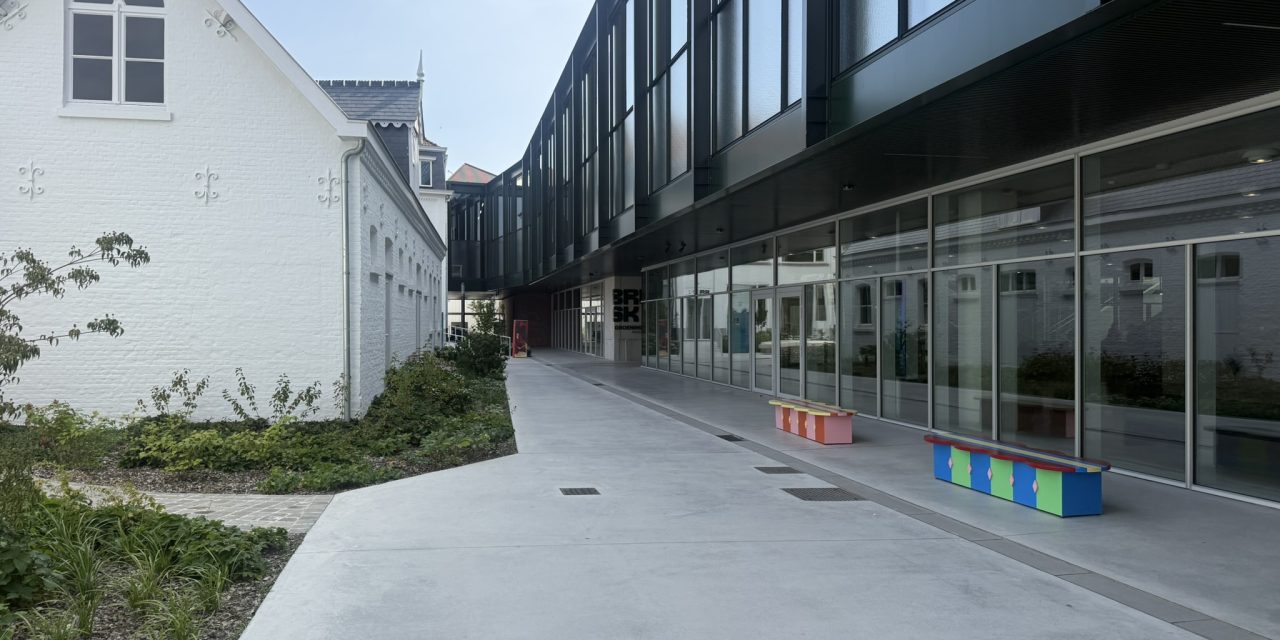
He believes Bruges is finding a balance, although it is not always easy. Modern buildings such as the Concertgebouw openly contrast with the medieval architecture, while BRUSK takes a different approach by hiding its modern structure behind historic façades.
“I like that,” Maim says. “There are so many little surprises in the city.”
His film does exactly that: it reveals a Bruges that exists beneath the familiar tourist image. By turning underground car parks into a stage for movement, Maim invites both locals and visitors to look at the city differently.
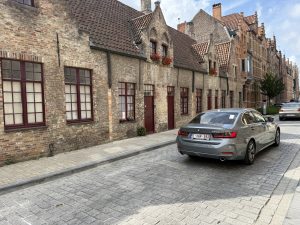
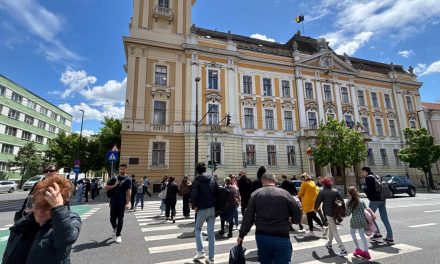
medieval city center of Bruges