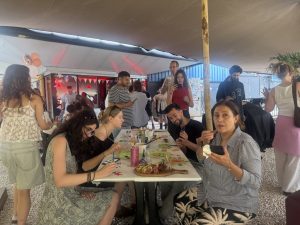
On June 28, Utrecht’s biggest nightclub, Kabul à GoGo, transformed into a space for connection between different cultures. The occasion was the Embrace Festival, the result of the six-week-long Embrace Academy, a programme in which newcomers and city residents come together to organise a cultural festival.
At the heart of the Embrace Academy is connection. Participants from different backgrounds work together for several weeks, learning about each other while preparing a festival for the wider community.
Yara, the programme coordinator, is closely involved in making the project possible. Her responsibilities include shaping and hosting the programme, contacting partners and locations, inviting guest speakers and arranging the funding. “The connection between newcomers and city residents is central,” she explains.

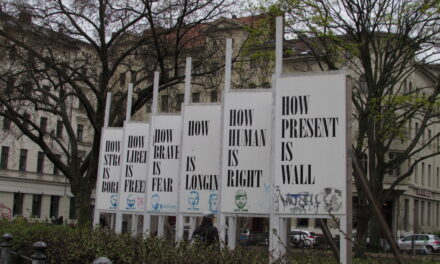
Yara, program coördinator of embrace festival, left
For newcomers, the Academy can be a way to find their place in a new environment. “I think especially about connection,” Yara says. “Getting to know new people and the city or place where they are new.” She also highlights the opportunity for participants to share their own culture and practise the Dutch language.
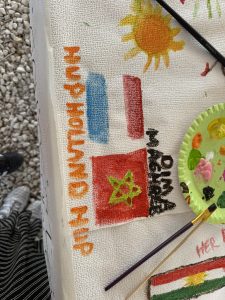
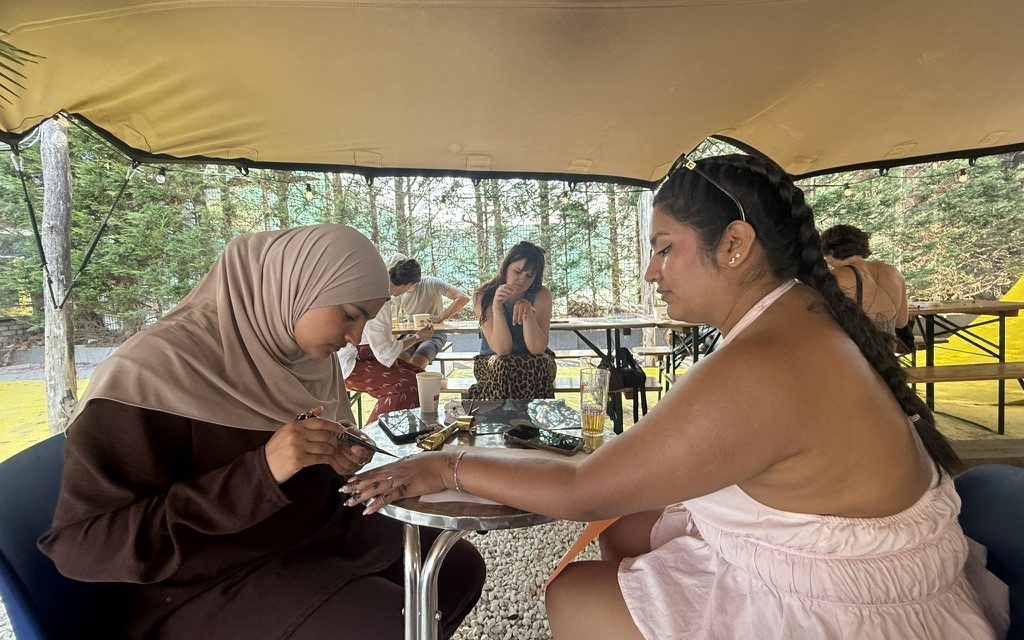
attendees on the festival painting a table togetger
But the programme is not only aimed at newcomers. City residents also get the opportunity to step outside their familiar surroundings and learn from people with different experiences. According to Yara, it is about “getting out of your own bubble” and becoming more curious about someone else’s story and culture.
Participants also gain practical skills during the Academy, including event management and applying for funding. These skills can be useful beyond the festival itself.
Organising the programme is not without its challenges. Because participation is voluntary, keeping people involved throughout the entire programme can be difficult. “The hardest thing for me is to really keep people involved during the programme,” Yara explains. Participants need to be intrinsically motivated to continue attending and contributing.

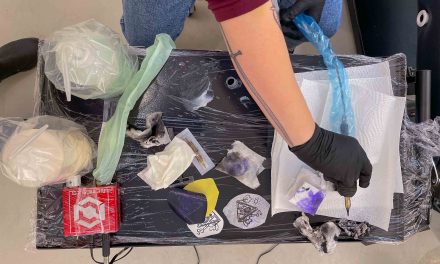
Yara giving a workshop
For Bente, who worked as project leader and production manager as a participant, the organisation of the festival came with its own challenges. “Getting sponsors and organising as much as possible in a limited amount of time” was one of the most difficult parts of the process.
Despite the pressure, Bente describes the experience as “a very cool and educational time.” She particularly appreciated the informal atmosphere surrounding the project. “It was not a problem to do things wrong, because everyone was doing it for a good cause,” she says.
After weeks of preparation, the festival itself became the moment when all the work came together. For Bente, one of the most special parts was seeing how well everyone had prepared and watching visitors enjoy the programme. “I saw that so many people were having a good time and also going to all the activities,” she says.
The festival therefore became more than just the final product of the EmbarceAcademy. It was also an opportunity for people to meet outside of their usual social circles. Newcomers could make connections in their new city, while city residents could gain a different perspective on their experiences.
For Yara, this sense of connection is particularly important in the current social climate. “Especially at this time, when there is a lot of negativity and hatred towards ‘refugees’, I think it is extra important to seek connection and want to understand each other,” she says.
That is ultimately what Embrace is trying to create: a space where cultural differences are not something that separates people, but something that gives them a reason to meet, learn from one another and connect.