Heatwaves across Europe caused drought conditions throughout the continent. It resulted in significant damage to crops across Europe. The Netherlands, a country known for its fertile farmland and strong agricultural industry, has experienced an unusually hot and dry summer in 2026.
Extreme heat and a lack of rainfall have caused severe drought conditions, putting pressure on farmers across the country. In some areas, farmers have also faced restrictions on using water for irrigation. Reduced rainfall caused river levels to fall, making it difficult for famers to access enough water for irrigation.
Potato farmers have been among those hit particularly hard. Potatoes are one of the Netherlands’ major crops and an important agricultural export. However, the prolonged drought has slowed the growth of potato and produced smaller tubers. It threated both farmers’ harvests and the wider potato supply chain.
The analysis by the Netherlands Court of Audit shows that the yield of table potatoes in the Netherlands falls by an average of 2.1 percent annually as a result of drought.
According to the Dutch Potato Organisation (NAO), 309,594 tonnes of consumption and processing potatoes from the 2025 harvest were exported, a decrease of 48,000 tonnes compared with the previous year. Potato exports have continued to decline amid unpredictable weather conditions
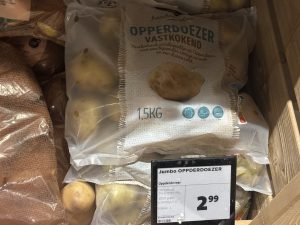
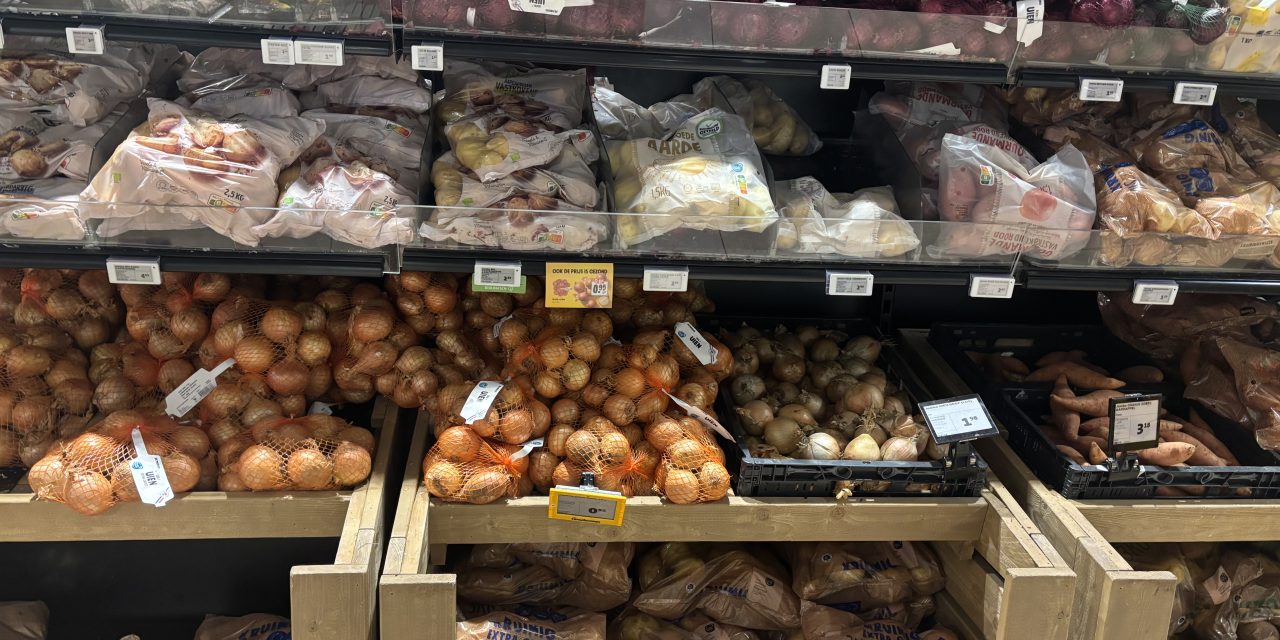
▲ potatoes on sale at a Dutch supermarket
The effects of the drought are also becoming visible to consumers. In fact, the potatoes sold in supermarkets have become smaller than before. The yield of large potatoes suitable for making fries, a staple food in the Netherlands, has decreased, resulting in smaller portions of fries.

▲French fries made from dutch potatoes
A farmer at Landwinkel Versluis potato farm in the Noordoostpolder said that the potato yield is lower than last year. And the potatoes are also smaller in size. She explained that they needed much more water to grow the potatoes than they did in previous years. She also said that Dutch potato farmers will need to change the way they grow potatoes if droughts become more frequent in the future.
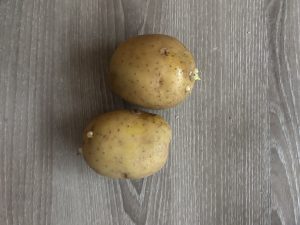
▲ small potatoes purchased from a supermarket
According to Wageningen University & Research (WUR), drought conditions in Europe could continue through September as European water reserves remain low. WUR also warned that water availability for agriculture would remain a concern in the coming months.
For Dutch potato farmers, the 2026 drought is therefore more than a difficult harvest. It is a warning of how extreme heat and water shortages could increasingly affect farming and agricultural exports in the Netherlands.