Five years after the City of Brussels introduced a ban on drinking alcohol in public spaces, the measure remains a visible and contested part of urban life. Although the regulation was first implemented in 2018, it regained attention in September this year, when city authorities decided to extend it until October 2026. The extension raises an important question: has the ban improved safety and public order, or does it fail to address the deeper problems behind street disturbances?
THE BAN
The regulation prohibits the consumption of alcoholic beverages in streets, squares and parks within certain areas of Brussels, which are mostly located in the city center. Alcohol sold at bar terraces and city-organised events is still allowed and it can still be legally purchased in convenience stores throughout the city. Anyone caught violating the rule risks a fine of up to €350.
THE REASONS
According to the City of Brussels, the ban was introduced in response to recurring problems in several central neighbourhoods.
From a tourism perspective, it is not a good strategy for a big city, which attracts thousands of tourists, to show off street drunkenness and be known for that. And this is one example of the reasons that The City of Brussels has broken down in the regulation posted on their website. This regulation describes how groups gathered in public spaces to consume alcohol and drugs, gradually turning these locations into hotspots for noise, intimidation and violence. In some cases, incidents involved vandalism and brawls with bladed weapons and, eventually, these groups and their attituted were keeping the rest of the citizens from enjoying their neighbourhood as well.
From the city’s perspective, the people responsible of these doings are also violent: noise, commotion, and brawls with or without bladed weapons are a daily occurrence in these areas.
These events, among others, led The City of Brussels to implement this rule.
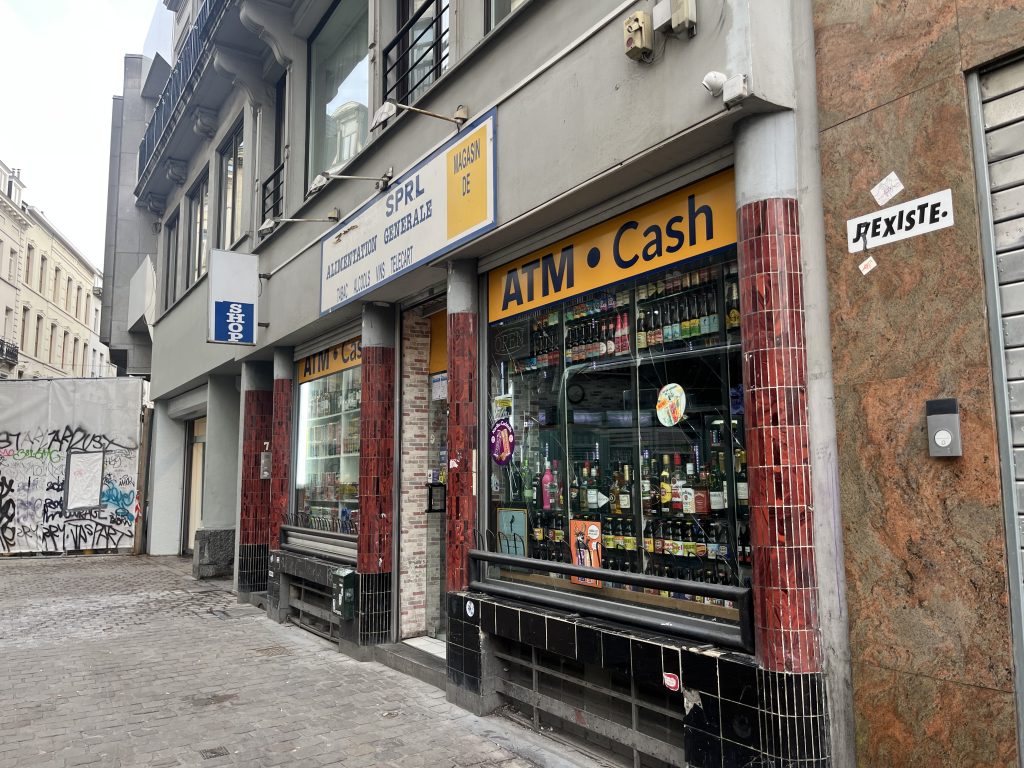
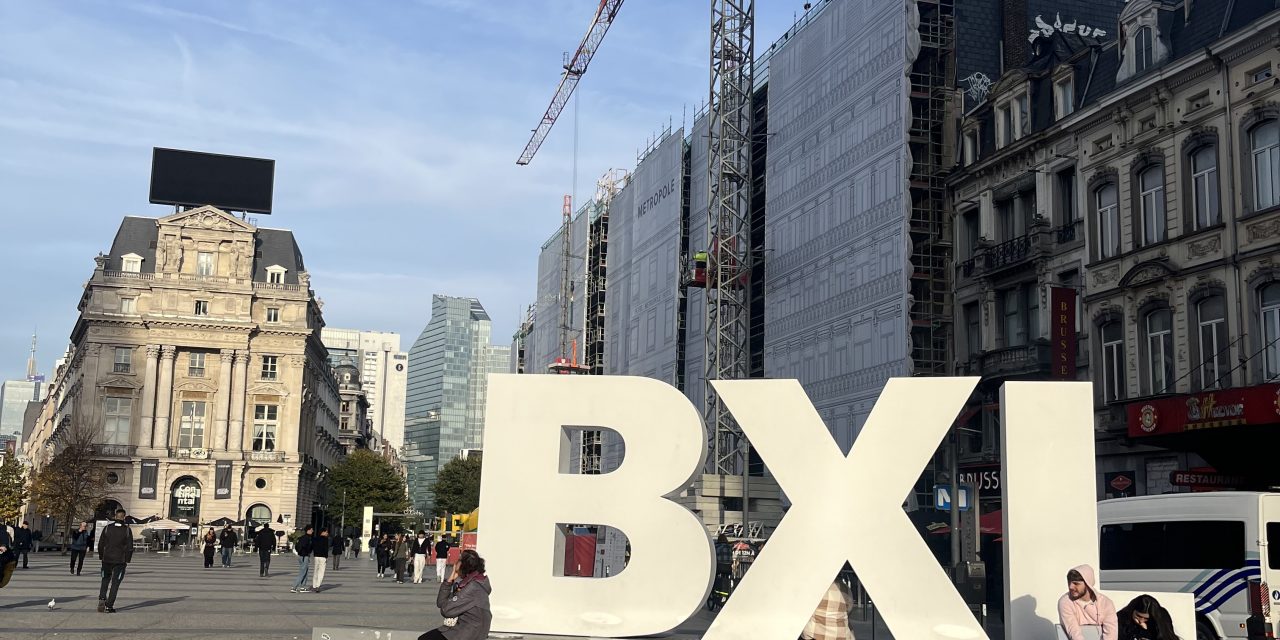
Picture by Martina Rodríguez
THE EXTENSION
Urban policy experts have noted that Brussels faces challenges common to many European capitals, including homelessness, drug trafficking and limited police capacity. Unlike cities such as Paris or Amsterdam, where public drinking bans are enforced more strictly, Brussels struggles with consistent follow-up.
As the ban enters its eighth year, in September 2025, this rule was approved to be extended until October 2026. This decision has not been well received among some of the citizens, because they think it is not achieving its original purpose.
When one walks through the streets in Brussels, it is still very common to see people drinking on the streets without hiding their drinks. Furthermore, according to neighbours and shopkeepers such as Safi, a shopkeeper in Brussels for 7 years, it is still highly normalised to see people drinking on the streets and this is not expected to change anytime soon.