Introduction
In 1554, The Habsburg Ambassador sent Tulips Bulbs to Vienne and centuries later the Netherlands has dominated the floral market. The Netherland’s relationship with flowers stretched back centuries and now flowers line market stalls, sit on dining room table and fill supermarket aisles. A large bouquet that might cost between £25 and £40 in the UK can often be bought for around €20 in the Netherlands. This affordability raises a simple question. Why are flowers so cheap here? The answer reveals much about Dutch culture, history, and everyday life.
Flowers a part of everyday Dutch life
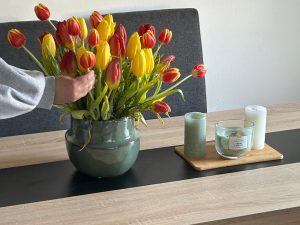
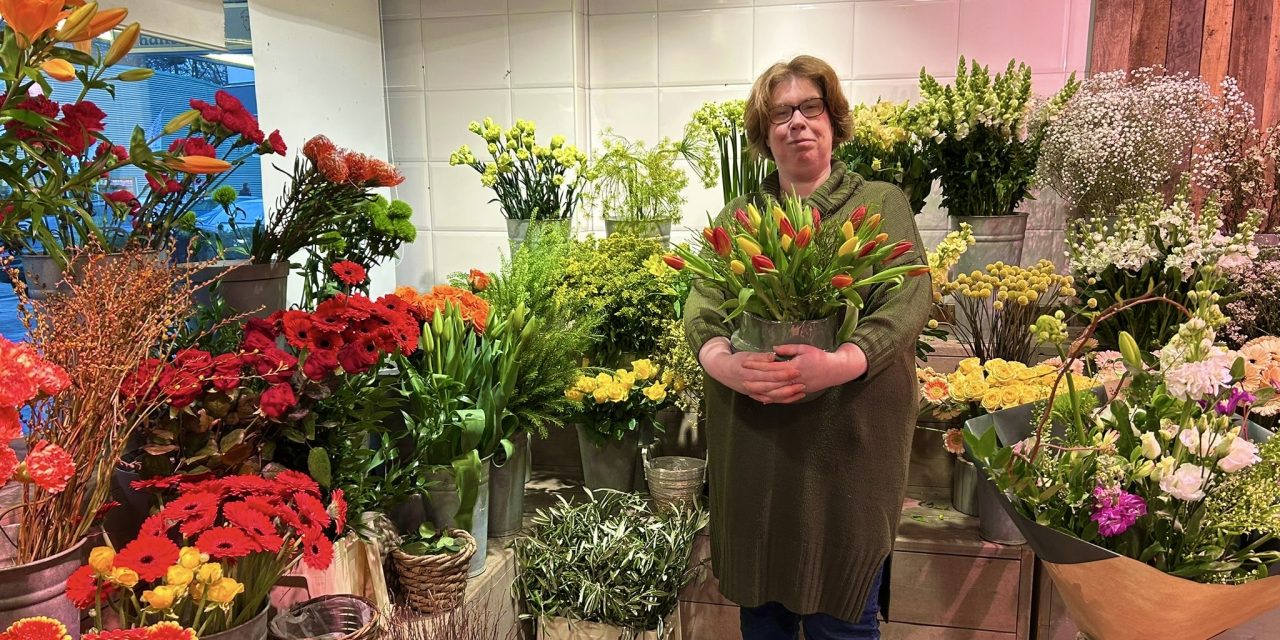
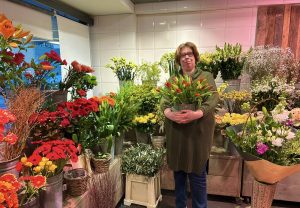
For many Dutch people, buying flowers is a routine rather than a luxury, Rose Bonhof who owns Bloembinderij Rose, who’d been in the business for 22 years gave some insight on the affordability of flowers and how it is driven by consistent demand. Most of her customers were regulars who come by weekly or every other week for themselves rather than only for special occasions. In contrast to countries where flowers are associated with celebrations or romance, the Dutch treat them as everyday household items.
Several interviewees echoed this sentiment, describing flowers as something that adds “colour into their homes” or were “pretty to look at on the dining table”, research supports these observations. found that while flowers are not crucial to human survival, they’ve instead reduced stress and provoke sensory engagement. In Dutch homes, flowers function more as sources of comfort and familiarity
This relationship with flowers is often learned early in life. One interviewee recalled how in many households “mothers would be arranging flowers after groceries…with the children joining in”. Over time, these small rituals become normalised. As Pierre Bourdiey described, cultural reproduction occurs where everyday habits are passed down through generations until they become normalised. In the Netherlands, flower buying is one such practice.
The Dutch Auction System
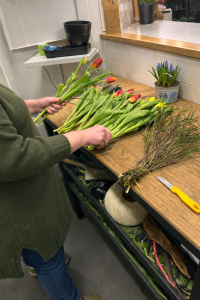
The Netherlands adopts a unique flower auction system that supports the affordability of flowers, Rose explained the auctions reverse pricing mechanism where the price is set high by the auctioneer and drops at intervals, “the clock goes backwards…you have to pay attention” she said. Designed for speed and efficiency this system allows florists to buy large quantities quickly and cheaply. In 2024 the Royal Flora Holland, the largest auction in the Netherlands made a product turnover of €5.3 billion, showcasing the sheer scale of the industry.
Flowers as a symbol of Dutch Identity
“Flowers are a symbol of Dutch pride, they represent our agricultural field, they represent our work, they represent us” said one of the locals, and several interviewees described them as representing agricultural pride, labour and national achievement. According to an article by magenta, the development and investment of Greenhouses after the second world war turned flower cultivation into the modern industry of today, accelerating the Netherland’s rise to floral domination.
Even as the industry faces challenges, flowers remain culturally resilient. Proposed tax increases from 9% to 21% raised concerns for many, but Rose believes customers will continue buying flowers even if in smaller bouquets. The persistence representing the strength of tradition over pure economics.
Conclusion
Ultimately, the cheapness of flowers in the Netherlands is not accidental. It is a story shaped by a long history in agriculture, innovative and efficient systems, as well as cultural habits passed down through generations. Flowers are simply not decorations, they are woven into Dutch culture, identity, routine and ways of living.