In this fast-moving world, everybody needs a way to feel free. One of the ways our generation does this is clubbing. According to Weeztix which is a ticketing and event management company in the Netherlands, “clubs still attract young audiences, with a stable core of 18- to 26-year-olds.”
As a member of this generation, I can say we love to lose ourselves in music and be free on the dance floor. It’s a way to forget our worries and enjoy nightlife.
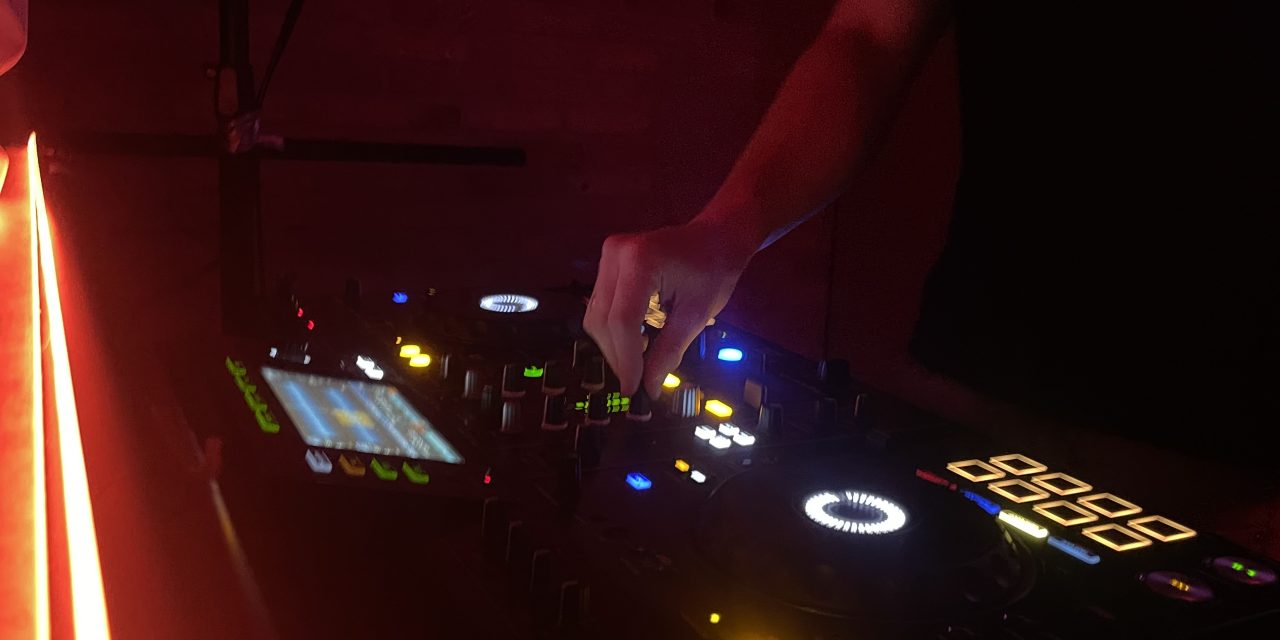
Behind the decks, DJs work, enjoy the crowd, and observe the space—yet female DJs face challenges we rarely see. Clubs are still dominated by male DJs. According to Live DMA , 92% of headliners at European festivals are men, and most festival programmers remain male.
Why does this happen? What keeps female DJs from being equally represented?
21-year-old Irish Holly Foyle ( stage name Hush puppy) from Dublin agrees with these statements and shares her experience.
“Being a female DJ… There’s a lot to be said for it because it is such a male-centered industry. Lineups still often have 10 guys and one girl, and trying to be taken seriously is… a real challenge. Misogyny is rampant in the scene,” Holly says.
Holly started DJing at 16 after she bought the decks for Christmas. “As soon as I turned 16, I was like, wait, I need to be a DJ right now.”
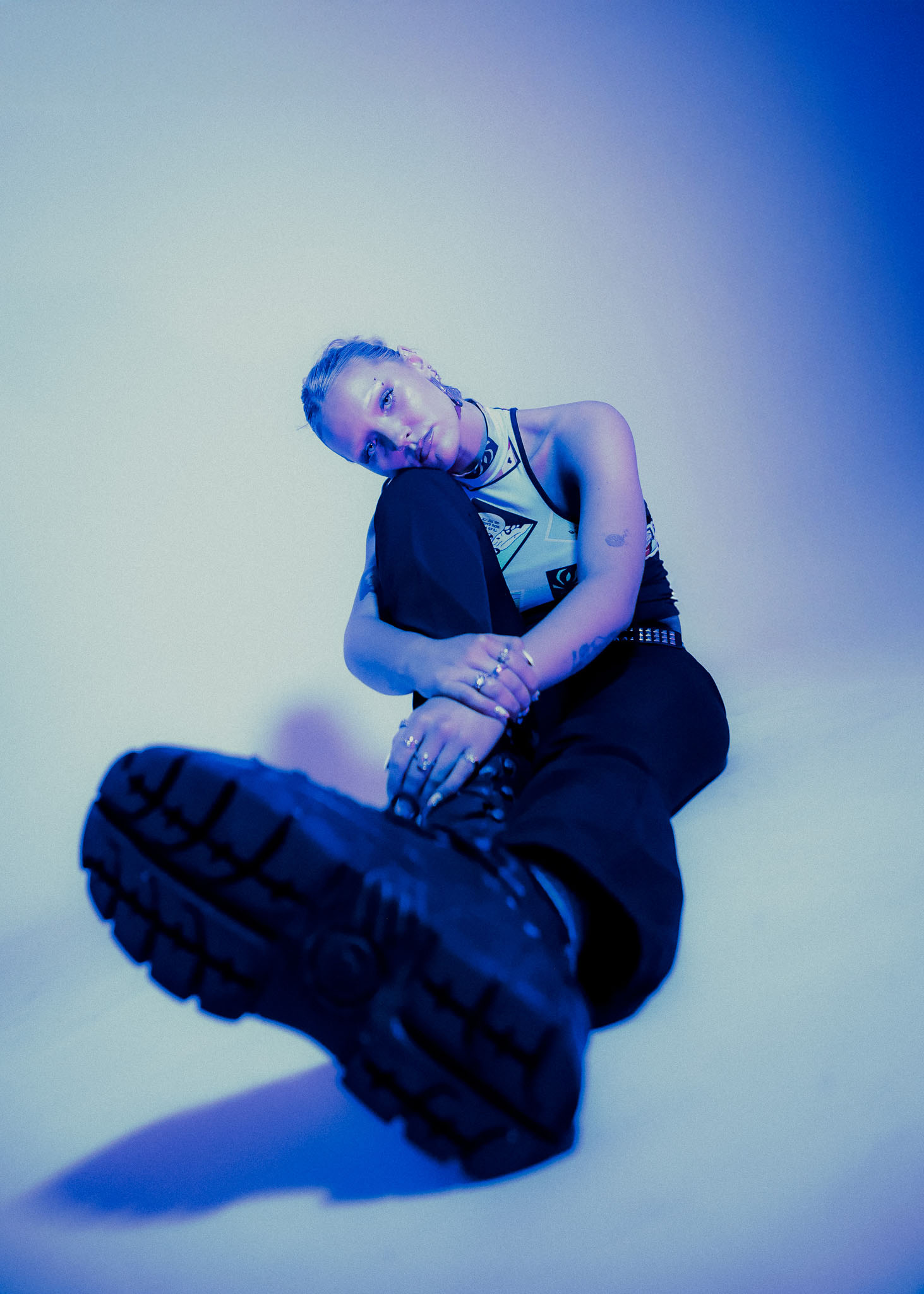
[Holly Foyle also known as DJ Hush Puppy, Photographer: Kate Lawlor]
Holly recalls playing in Amsterdam:
“When I was DJing there, there wasn’t proper security. Two guys were beside me all night, trying to take videos and show me how to DJ. The male DJs before me didn’t get that. It was obvious how differently people reacted to a female DJ.”
According to the European Composer & Songwriting Alliance, 60% of women in the music industry believe it is “generally discriminative,”and 3 in 5 experienced harassment.
Holly also talks about why female DJs are often afraid to speak publicly about these struggles:
“Giving out about promoters or other DJs can be scary… you could be worried you wouldn’t get booked again, or that people would think, ‘oh, she’s really bitchy.’”
She recalls an Irish Instagram account, Too Many Men Éire, where female DJs and FLINTA artists shared anonymous experiences, many involving sexual harassment:
“The page blew up in two days… hundreds shared their stories of misogyny from male DJs or promoters… It eventually shut down because the founder received so much hate. That shows how big the issue is.”
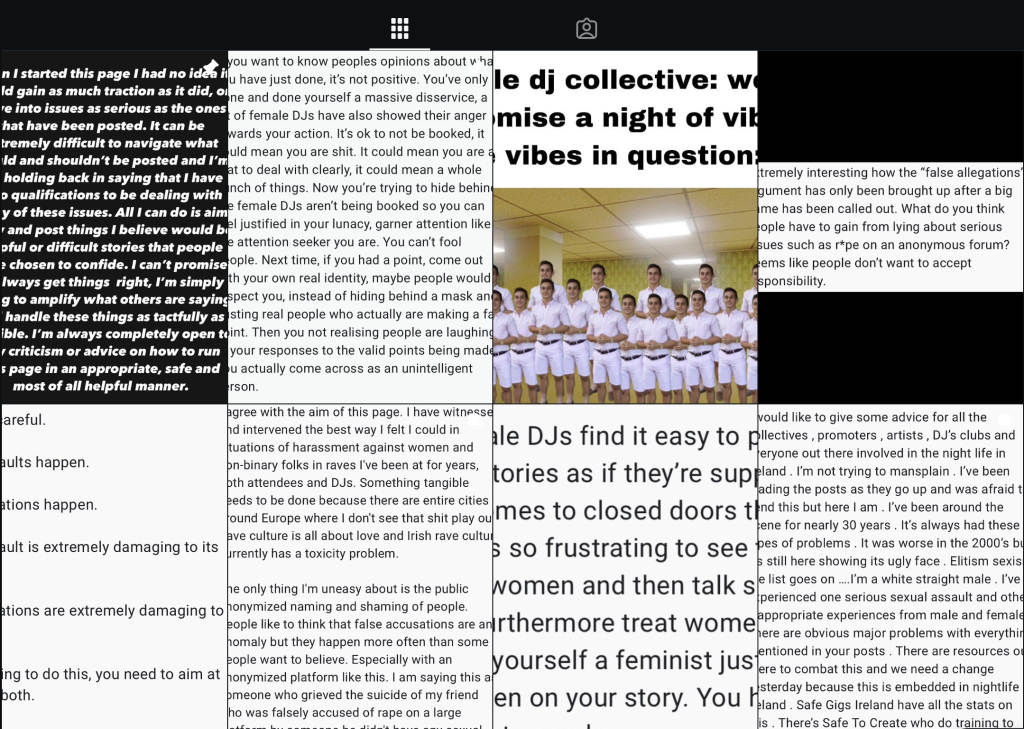
[the screenshot of the instagram account Too Many Men Éire]
“I can’t speak for the Netherlands in detail, but nightlife there is easier and more respected than in Ireland.”
When I asked her what advice she would give her younger self, Holly says:
“Back yourself 100%. Believe that your passion is enough. Don’t be afraid to make mistakes and stand up for yourself.”
For young DJs today, her words are a reminder that passion, resilience, and self-belief are essential to navigating an industry still grappling with gender inequality.