Iran is facing a rapidly escalating crisis as nationwide protests intensify, with the death toll continuing to rise. The unrest has drawn increasing attention in Europe, where political leaders are responding with sanctions and diplomatic pressure. Across the continent, Iranian communities are expressing concern for the safety of friends and family back home.
Escalating Tensions
Iran is experiencing its most serious internal unrest in years. Governed since 1979 as an Islamic republic under a supreme leader, the country has long imposed strict limits on political freedoms and dissent. While protests have occurred in the past, they were typically localized and quickly suppressed.
The current wave of unrest began in late December 2025, triggered by a sharp economic downturn, rising inflation, and the collapse of the n-ational currency. What started as demonstrations over living costs has grown into widespread anti-government protests in major cities, reflecting deeper frustration with political repression and economic misman-agement.
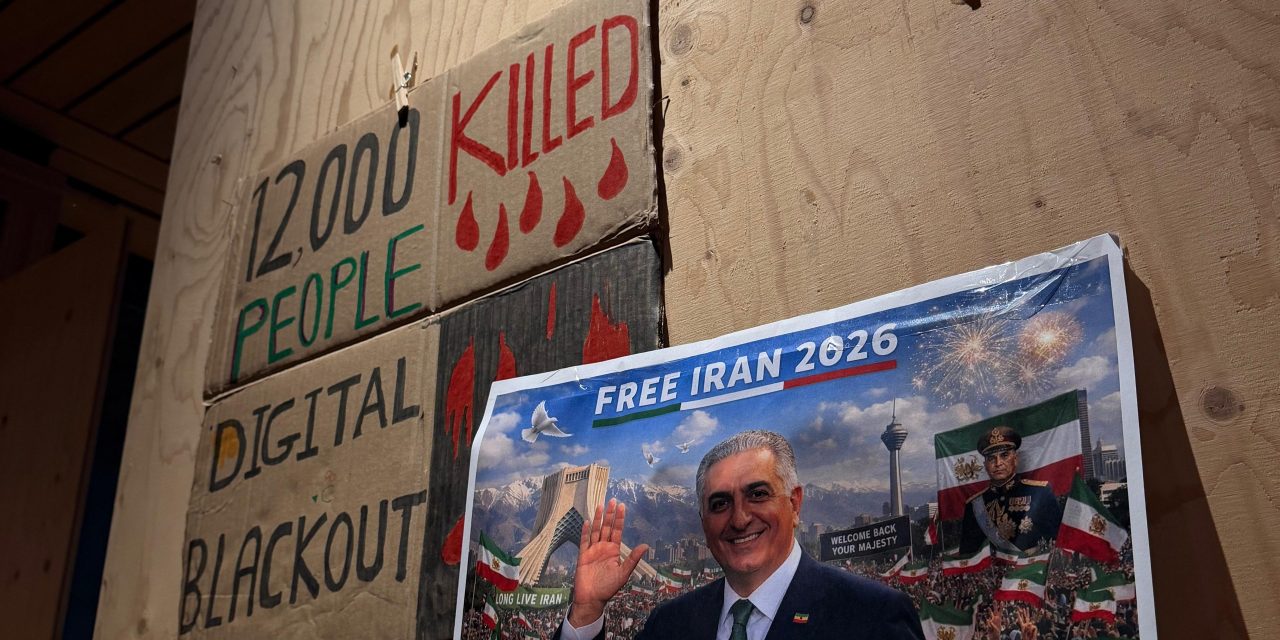
According to the U.S.-based Human Rights Activists News Agency (HRANA), at least 2,615 people have been killed and 18,470 arrested as of 14 January. Among those killed were 13 children. Independent verification is difficult due to internet shutdowns and restrictions on foreign media.
Impact on European Communities
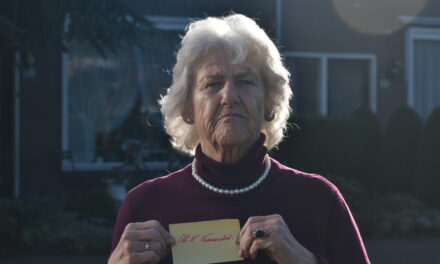
The unrest has deeply affected Iranian families living in Europe. In Arnhem, the Netherlands, residents gathered to express concern for relatives in Iran. Among them was Metin, a young man who fled Iran three years ago. “Nearly all of my loved ones remain in Iran, including my family and my girlfriend,” he said. Recalling his last contact before the protests escalated, he added, “My aunt asked me whether she should go out to protest. I told her to be careful and to wear glasses for protection. Then she thanked me. That was the last message I received before the internet blackout began.”
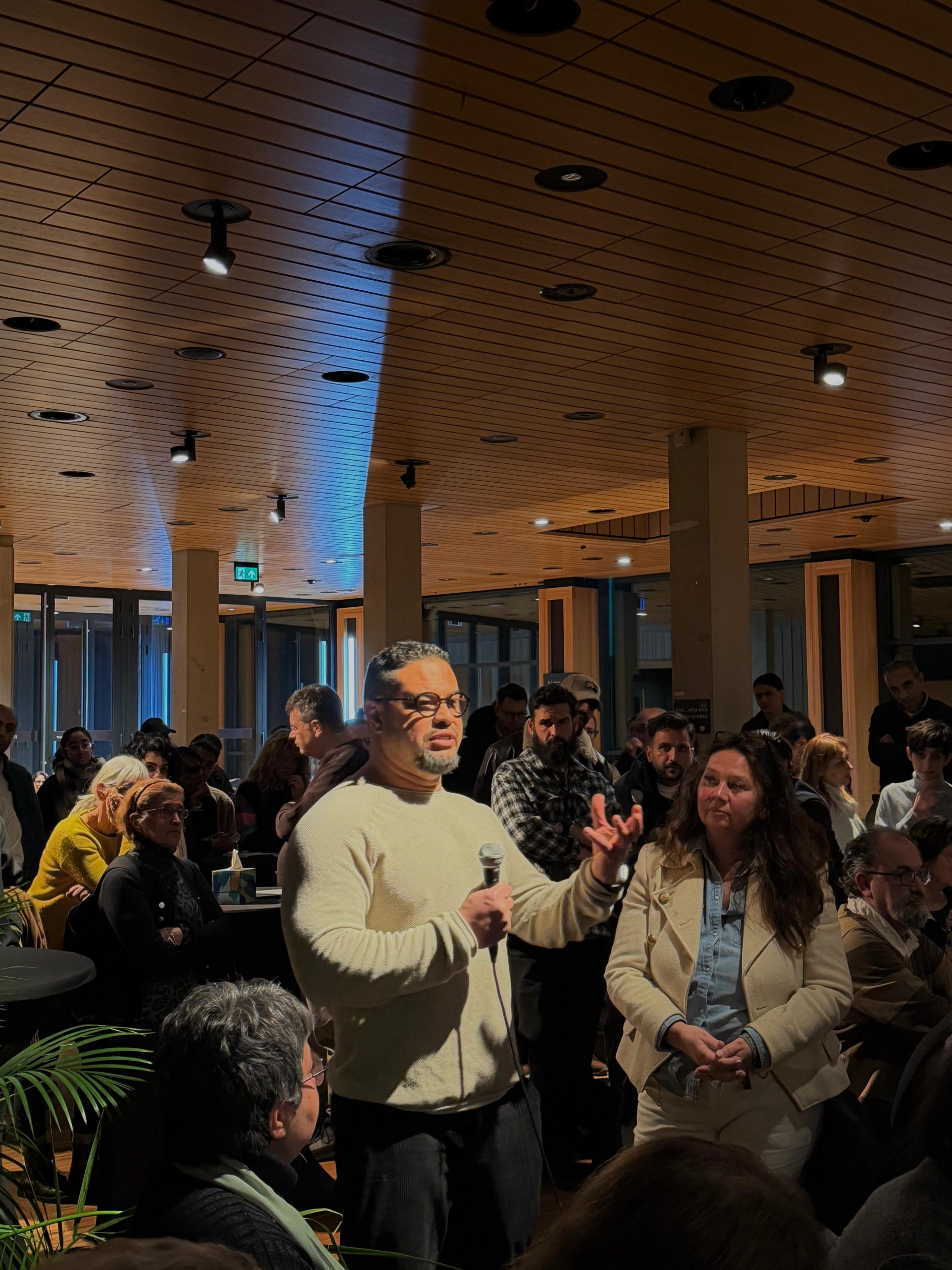
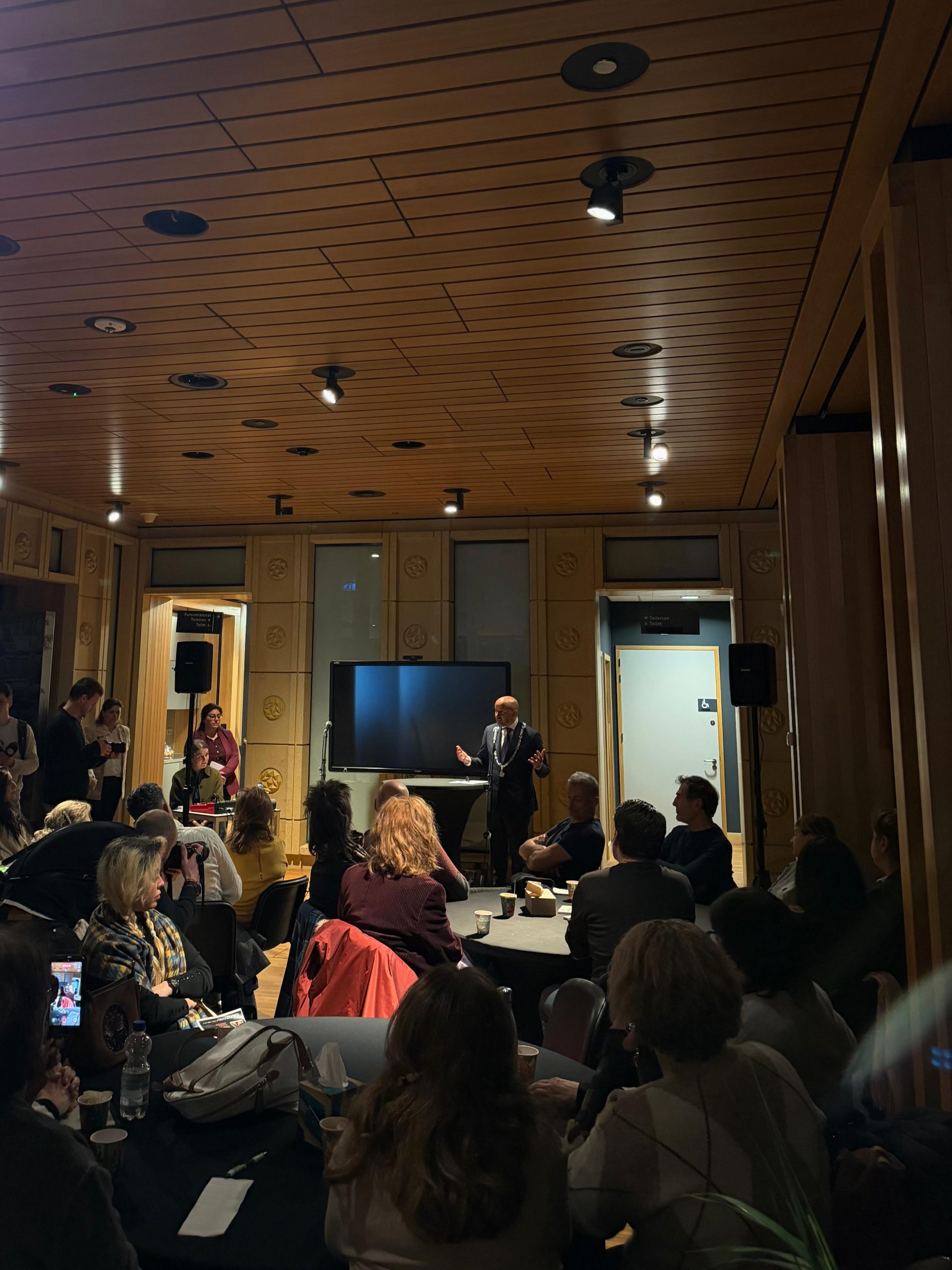
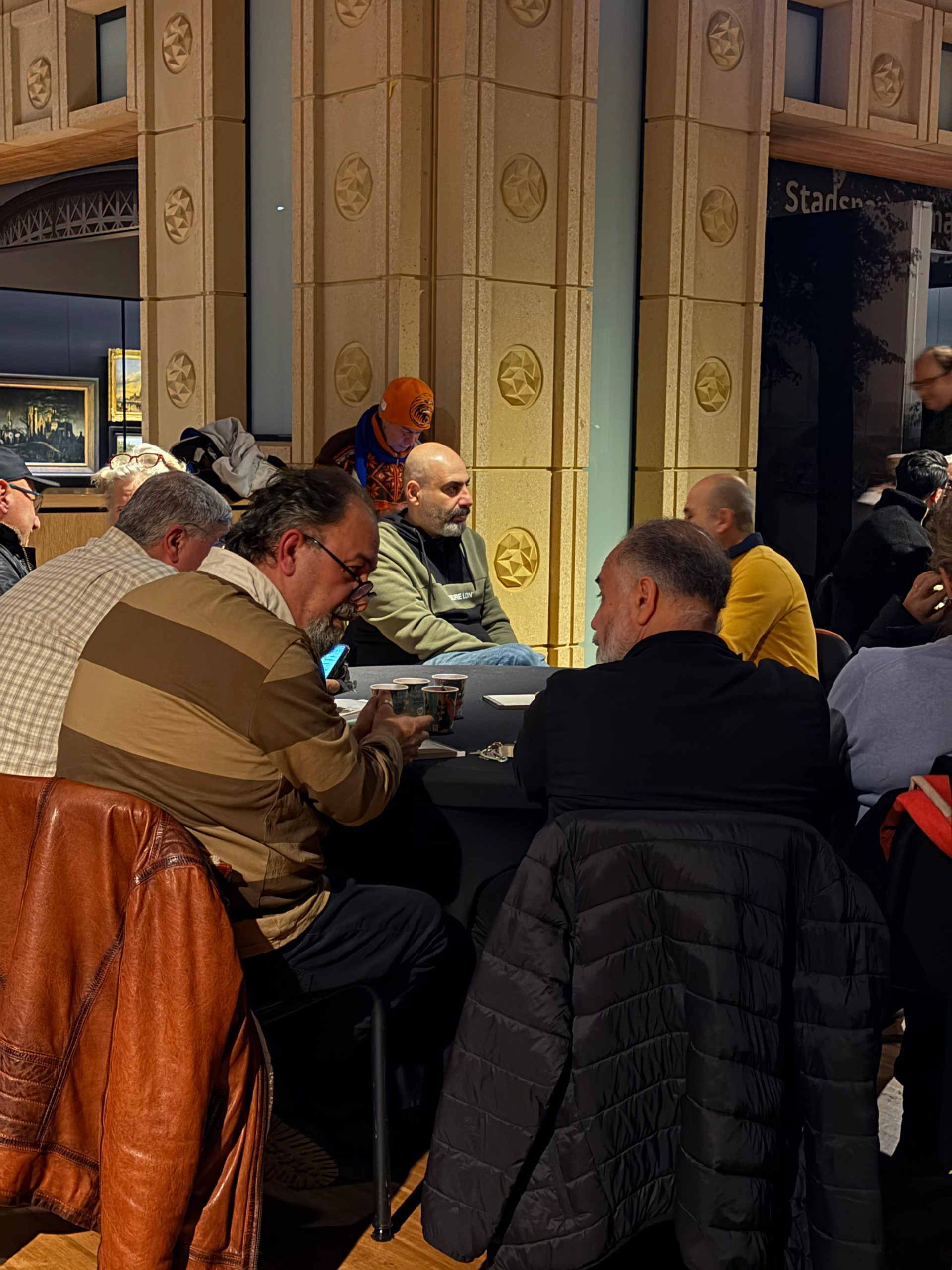
People talking at an gathering for Iran in Arnhem. Photos: Chimène de Jonge
The Mayor of Arnhem, Ahmed Marcouch, who organized the gathering, spoke to attendees, highlighting the duty of democratic societies to defend human rights. “We must give a voice to those whose voices have been silenced,” he said. “Freedom is not something to be taken for granted. Every year we say, ‘never again,’ and that promise extends not only to ourselves in the Netherlands, but to people around the world.”
European Response
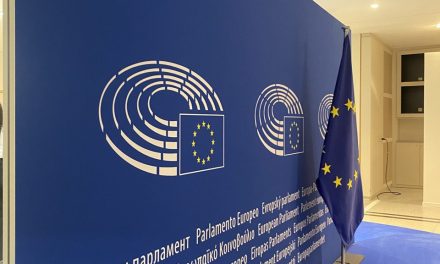
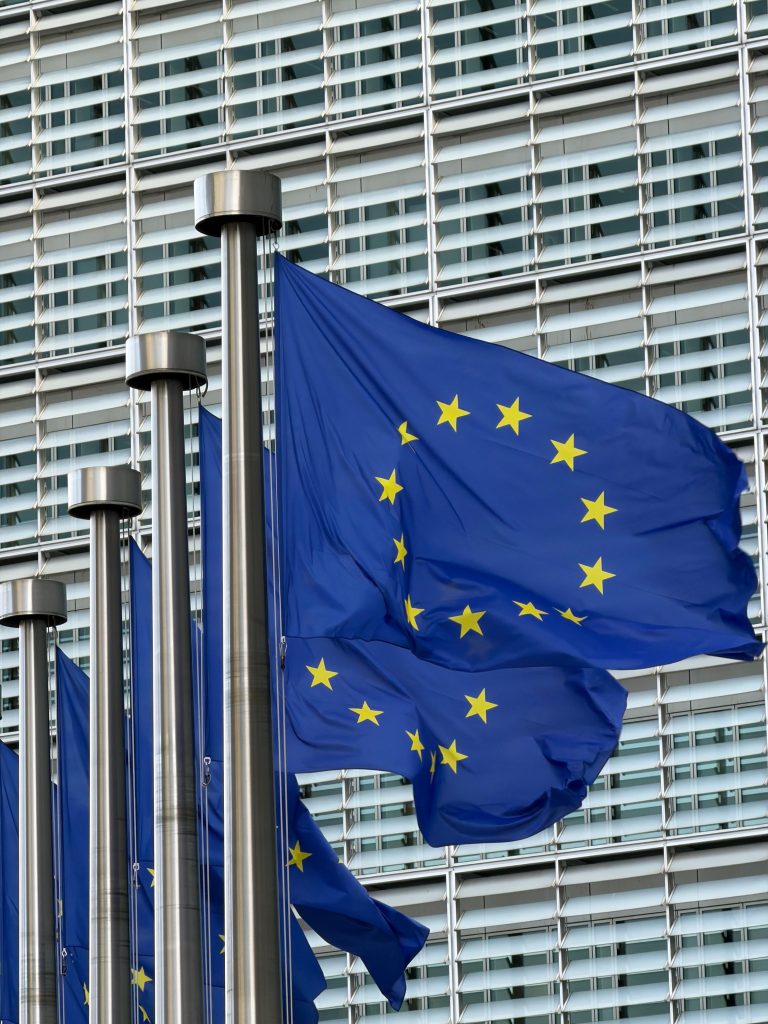
The crisis has triggered a strong response from European institutions. On 9 January 2026, the EU’s High Representative issued a statement on behalf of the EU, expressing solidarity with the Iranian people and supporting their aspirations for freedom and dignity, while calling on Tehran, the capitol of Iran, to release those detained for peaceful protests.
In another statement, European Commission President Ursula von der Leyen said the European Union would “swiftly” propose additional sanctions targeting those responsible for the violent repression of protests. On X she described the rising death toll as “horrifying” and condemned what she called the excessive use of force and continued restrictions on fundamental freedoms.
Several European governments have also taken independent measures to increase pressure on Iran.