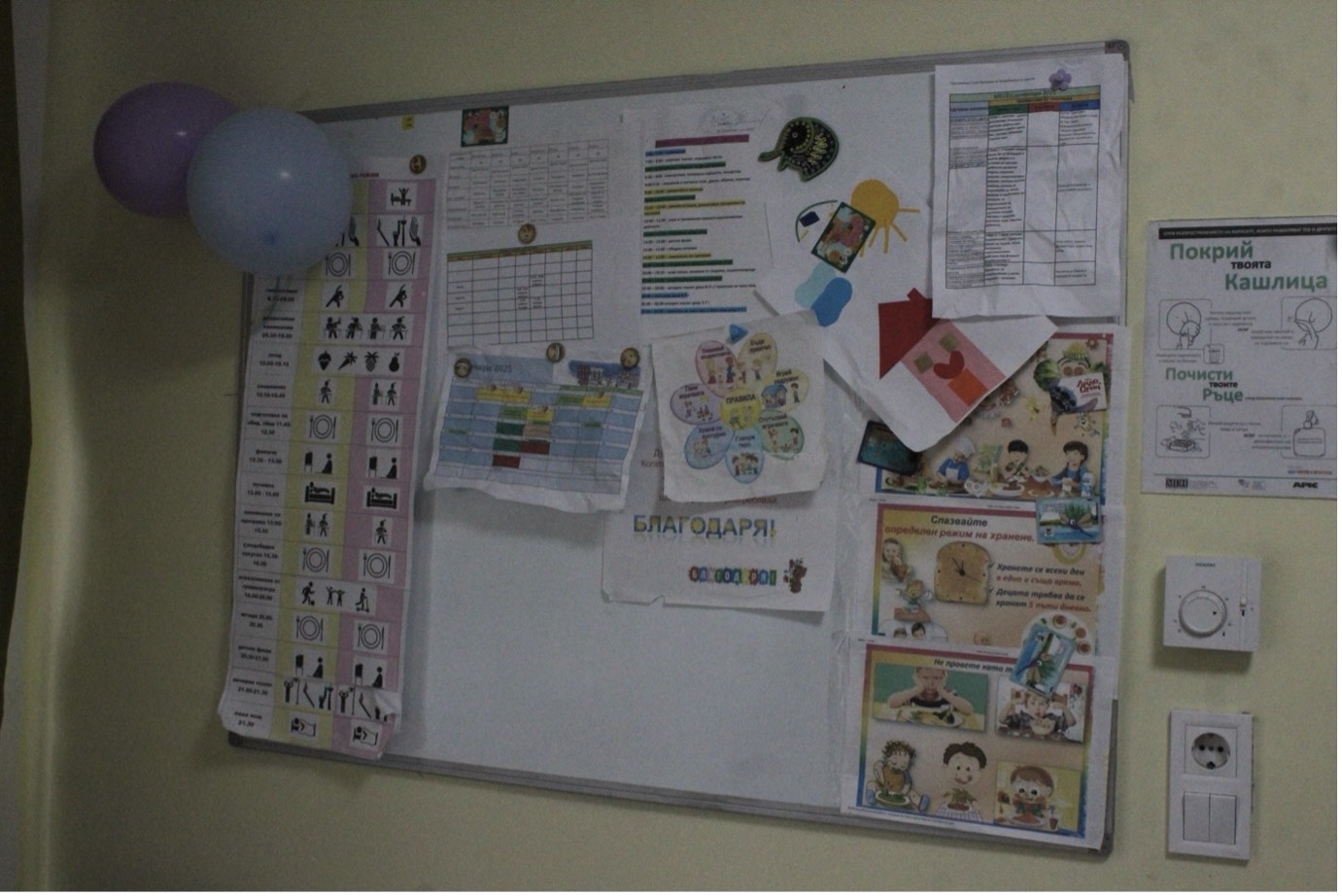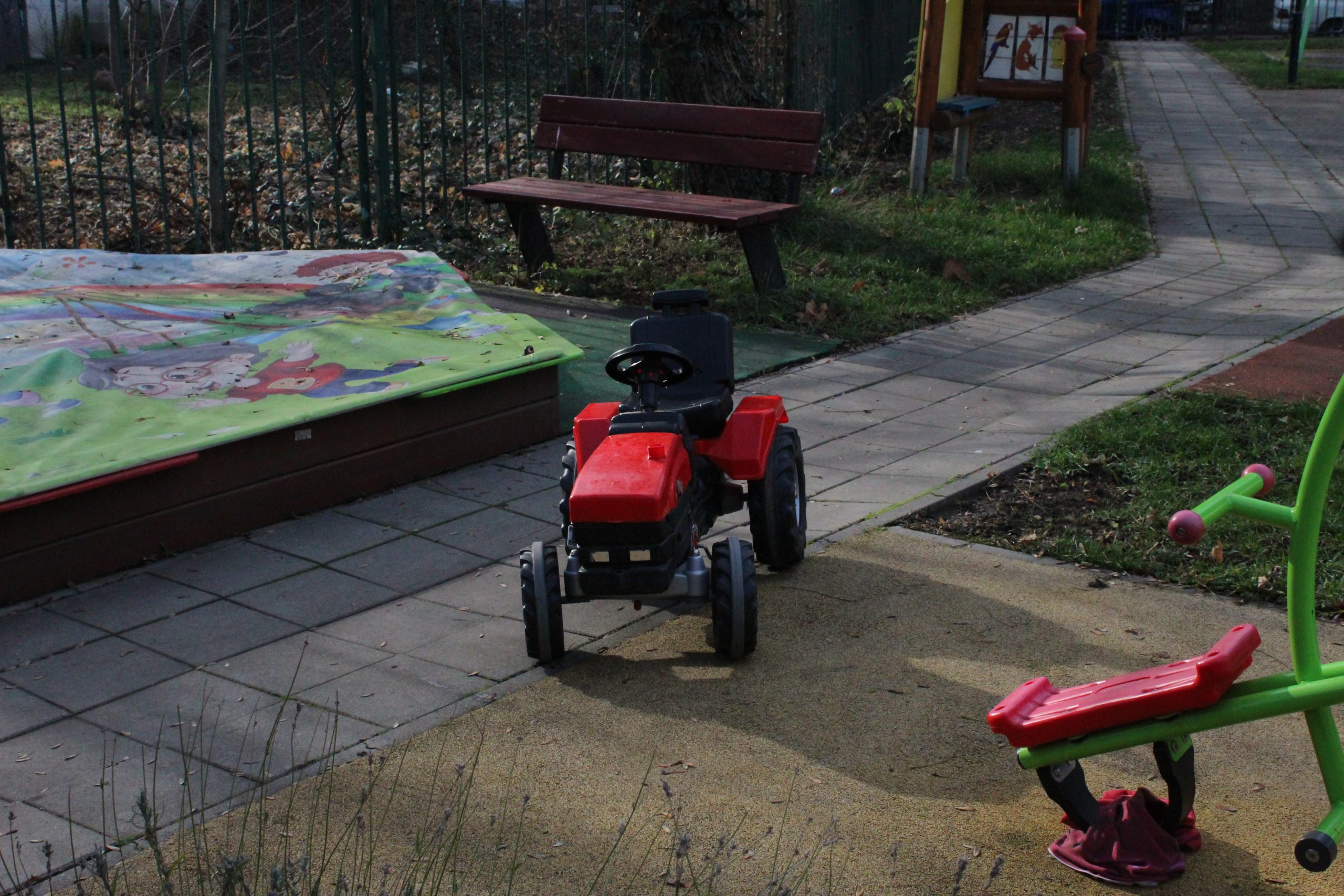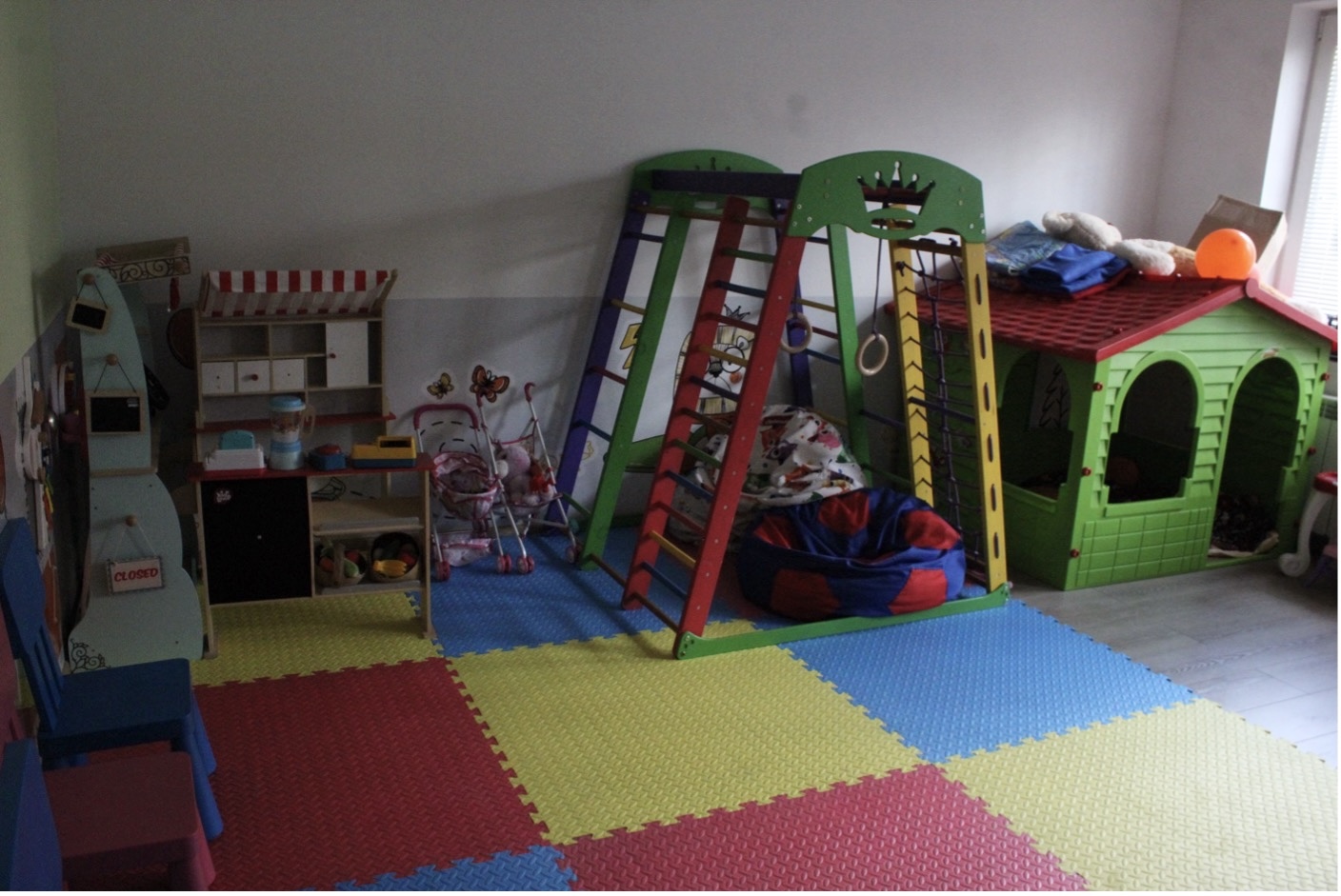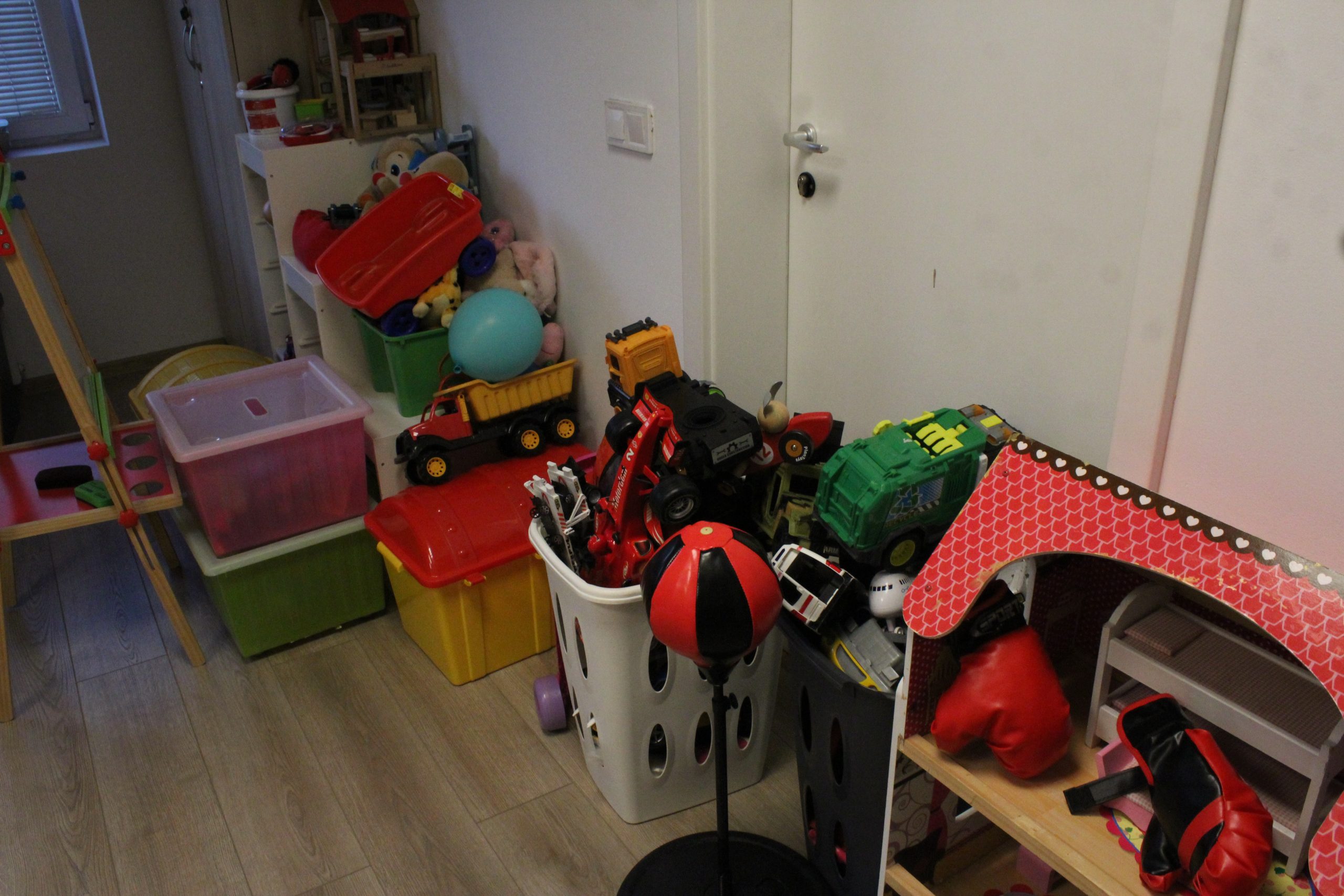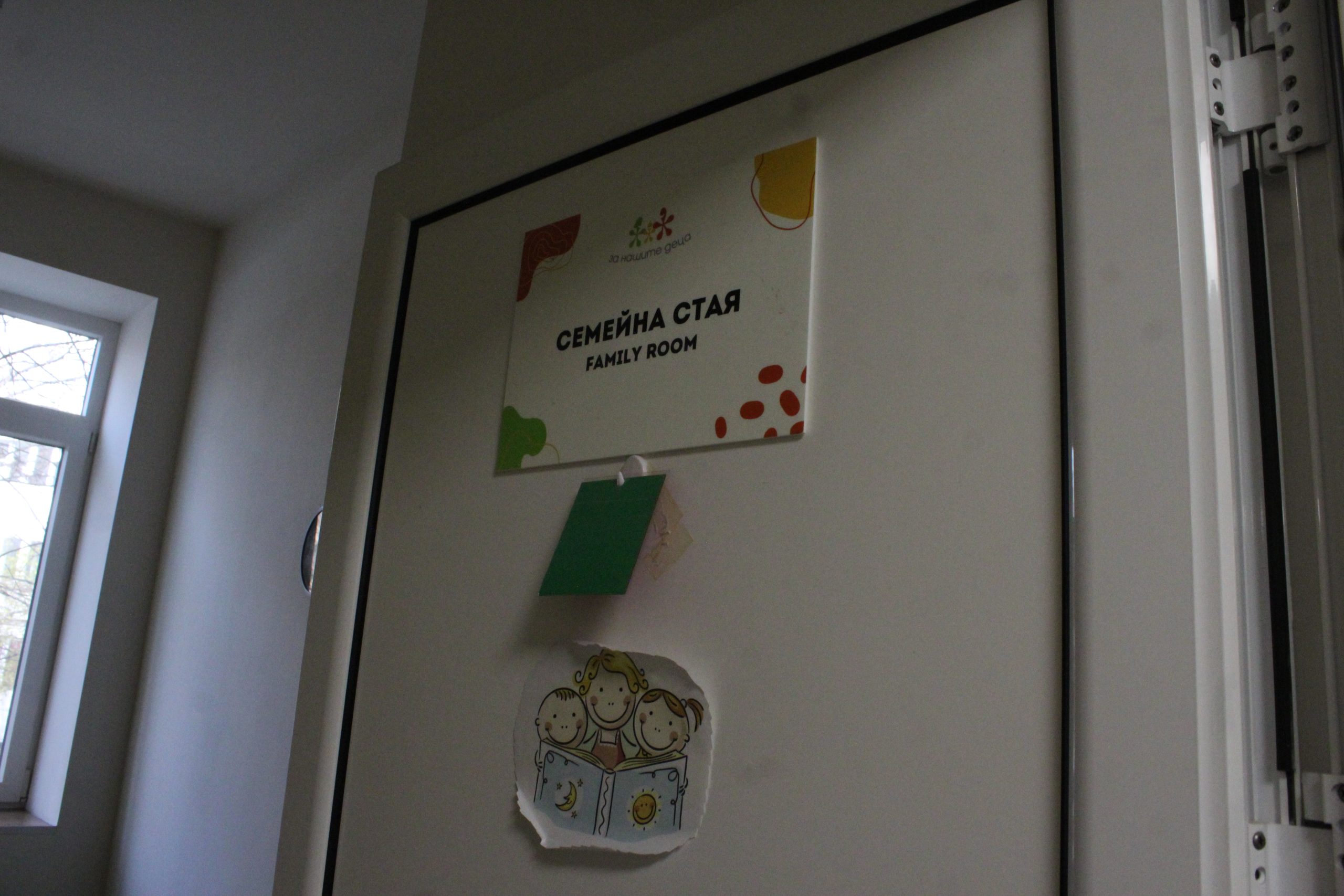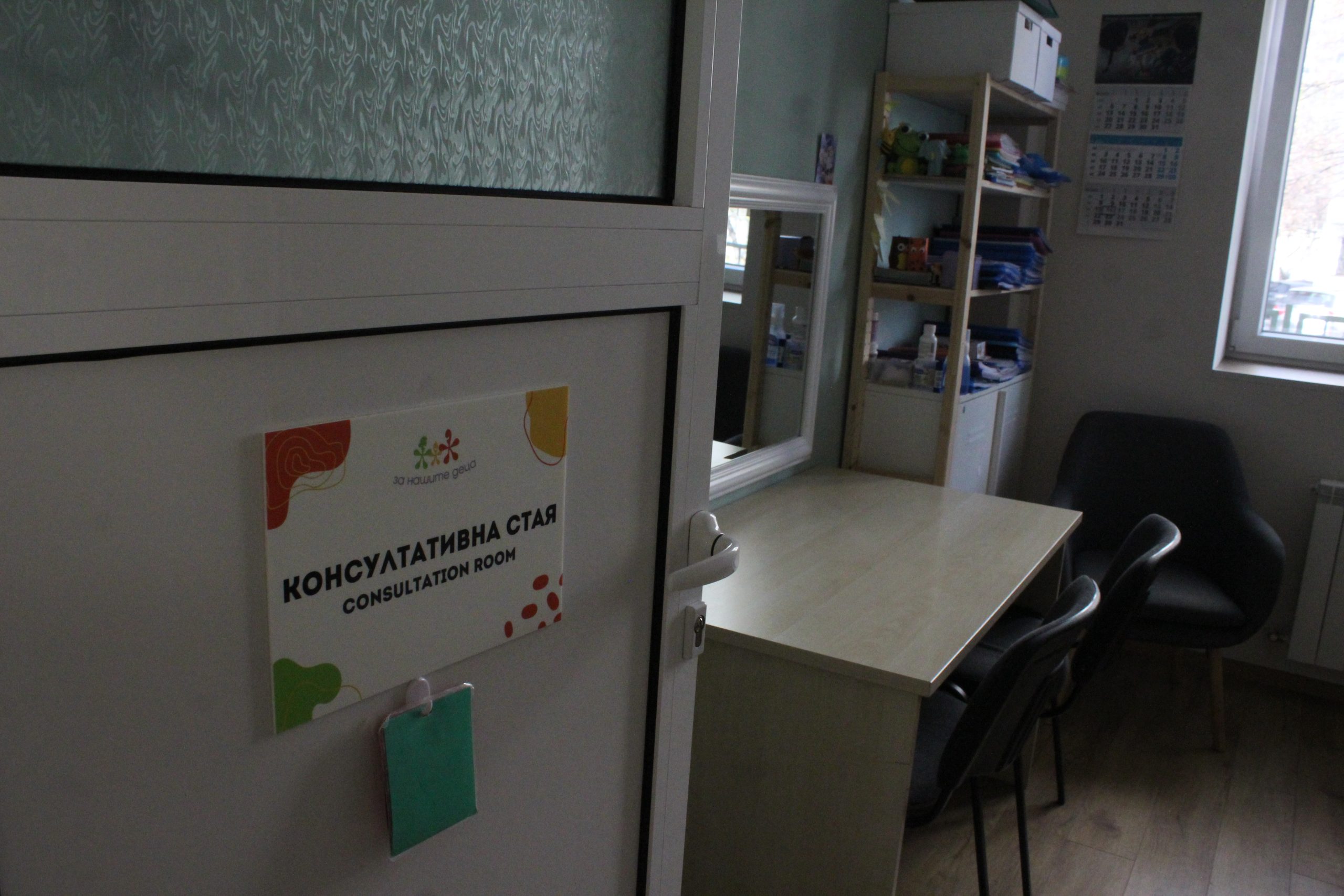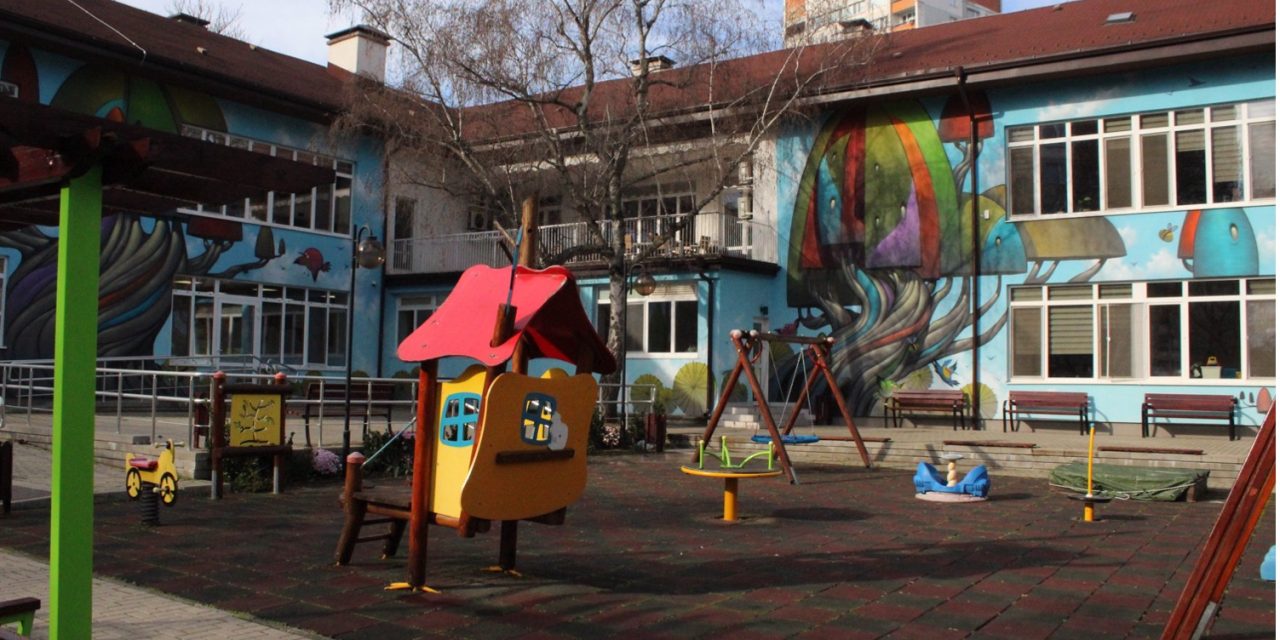
An empty playground in Sofia- a visual metaphor for the childhood many teenage mothers in Bulgaria and Romania never got to experience.
In the playgrounds of Sofia and the schoolyards of Sibiu, a striking absence marks the landscape: teenage girls, some as young as thirteen, who have disappeared from public life to raise children of their own. Across Romania and Bulgaria, a combination of systemic poverty, predatory “loverboy” networks, and a medical system that often treats pregnancy as punishment is driving a crisis often mislabeled as “tradition,” a label that hides poverty, lack of education, and institutional neglect. “The moment a girl leaves school, everything closes,” says Desislava Petkova, Head of Social Support at the For Our Children Foundation. “She is no longer seen as a child, but no one treats her like an adult either.”
A crisis hiding in plain sight
Across the European Union, the average age at first birth is close to 30. In Romania and Bulgaria, however, thousands of girls are still children when they become mothers themselves. Romania alone accounts for around 45% of all births to girls under 15 in the EU, with more than 80,000 teenage births recorded over the past five years. Bulgaria follows closely, with an adolescent birth rate of about 39 births per 1,000 girls, nearly four times the EU average. These are not isolated cases, but part of a wider pattern: in some regions, one in ten newborns has a teenage mother.
A child giving birth to a child
The phenomenon is visible across the region, but a systemic blind spot often compounds the tragedy. As Desislava Petkova explains, “The focus usually falls on the baby… but the mother, who is also a child, is oftentimes neglected.” This neglect is reinforced by a persistent myth, the idea that early pregnancy is simply “what Roma people do.” Once framed as culture, teenage motherhood stops being treated as a warning sign and becomes something institutions avoid addressing. In the marginalized communities where these NGOs work, girls grow up with little control over their own choices, dependent on family structures and economic pressure. And when they become mothers, the system offers them no more autonomy or support than it did before.
The search for love in the wrong places
While poverty is the “obvious” driver, the psychological reality is more complex. Dominique Ogreanu, from the Midwife Association in Romania, challenges the stereotype that these girls are simply irresponsible or “promiscuous.” Through her work, she discovered a heartbreaking motivation behind many of these pregnancies: the desperate desire to be loved. “I was shocked to find that… the reason they want the child is to offer it a better life,” Dominique explains. Many of these girls, often coming from abusive homes or state placement centers, do not see a baby as a burden, but as their only chance to create a family where affection exists. They are not running towards motherhood; they are running away from loneliness.
Statutory rape, not romance
A disturbing pattern emerged in interviews on both sides of the Danube: the partners of these teenage girls are rarely their high school classmates. “We are talking about men, not boys,” Dominique clarifies, noting that the fathers are often mature men between 28 and 40 years old. This dynamic suggests that what is often dismissed as “early romance” is actually statutory rape and exploitation. In Romania, the “Loverboy” method is a common form of trafficking where older men recruit vulnerable teenagers online, bombing them with affection and promises of stability to lure them into dependency.
Across the border in Bulgaria, Desislava notes a similar legal failure. Under Bulgarian law, sexual intercourse with a girl under 14 is a serious crime. However, authorities frequently dismiss these cases. “It’s treated as… ‘that’s just their tradition’,” she says, referring to how officials stereotype marginalized Roma communities when dealing with cases involving underage girls. By categorizing sexual violence as “culture,” the legal system absolves itself of the duty to protect the victim.
The myth of “tradition”

This stereotype has consequences. By framing early pregnancy as a cultural norm, responsibility quietly shifts away from the state. Experts in both Romania and Bulgaria argue that labeling teenage motherhood as “tradition” allows institutions to step back rather than intervene. Ivanka Puleva, Project Manager at the Trust for Social Achievement (TSA) in Bulgaria, points out that around 70% of Roma families live in poverty, making early pregnancy a matter of economic survival and lack of education, not an unchangeable cultural trait. Livia Otal, who has worked closely with communities in Sliven, dismantles the cultural argument further. She notes that arranged marriages and early childbearing were once common across Europe, including among aristocracy and royalty, as a way to preserve wealth. “Why did it change for other communities and not for this one?” she asks. The answer lies not in ethnicity, but in exclusion. When access to education and economic opportunity is systematically denied, practices rooted in survival tend to persist far longer than they do in privileged societies.
The medical punishment
For the girls who do become pregnant, the medical system often functions as a second abuser rather than a support network. “The attitude is: ‘You made a child? Well, take care of it,” Dominique says, describing the hostility minor mothers face in hospitals. Society views pregnancy as a punishment for having sex. The moment a girl gives birth, she is stripped of her childhood status in the eyes of the state. “You are no longer seen as a child,” she adds. This hostility was compounded by what Dominique describes as a “legal absurdity” that plagued Romania until 2023. Minor mothers were considered too young to make medical decisions for their own babies. “Ironically, they were too small to decide what happens to their child,” she explains. They required a legal guardian (often the very parents who had rejected or abused them) to sign for medical procedures. This created a paradox: the state forced them to raise the child alone, yet legally treated them as incompetent to care for it. In Bulgaria, the battle is bureaucratic. The For Our Children Foundation had to fight a “war” to force hospitals to provide legally mandated check-ups for uninsured pregnant women, a right that hospitals were ignoring due to software glitches and apathy.
The fortress and the caravan

In Sibiu, Romania, the solution is a fortress. The “Prichindelul” Maternal Center stands as a physical barrier against the exclusion these girls face. Mihaela, a social worker from Sibiu who also worked closely with those girls, describes a “typical case” that highlights the vulnerability of these girls: a teenager from a poor family, seeking escape, enters a relationship with a much older man. When she becomes pregnant, the “stability” vanishes, the partner leaves, and her family rejects her. Inside the center, she finds the only safety net available: hot meals, counseling, and a bed.
But these efforts cannot reach everyone. For the isolated villages, the solution must be mobile. Dominique advocates for “midwife caravans”, mobile medical units that bring contraceptives and implants directly to rural communities, bypassing the judgment and distance of city hospitals. She argues that expanding the role of midwives is crucial, as they can build trust that doctors often destroy. Unlike the formal hospital system, midwives can offer gender-sensitive care and education without being “gatekeepers.”
In Bulgaria, Trust for Social Achievement has already adopted a similar “Nurse-Family Partnership” model, sending specialists into the mud-road neighborhoods to visit young mothers in their homes. These mobile units do not just deliver healthcare; they provide visibility to a population the state prefers to ignore.
A path forward
Whether it is a girl hiding in a shelter in Sibiu or a young mother navigating a mud road in a Bulgarian village, the root cause remains the same. It is not that these girls chose to leave the playground; rather, the gate was closed on them. “If I could send one message to the decision-makers,” Mihaela says, echoing the sentiment of her colleagues across the border, “it would be that minor mothers are not guilty of the situation they end up in. They are the result of a system that has neglected entire generations.”