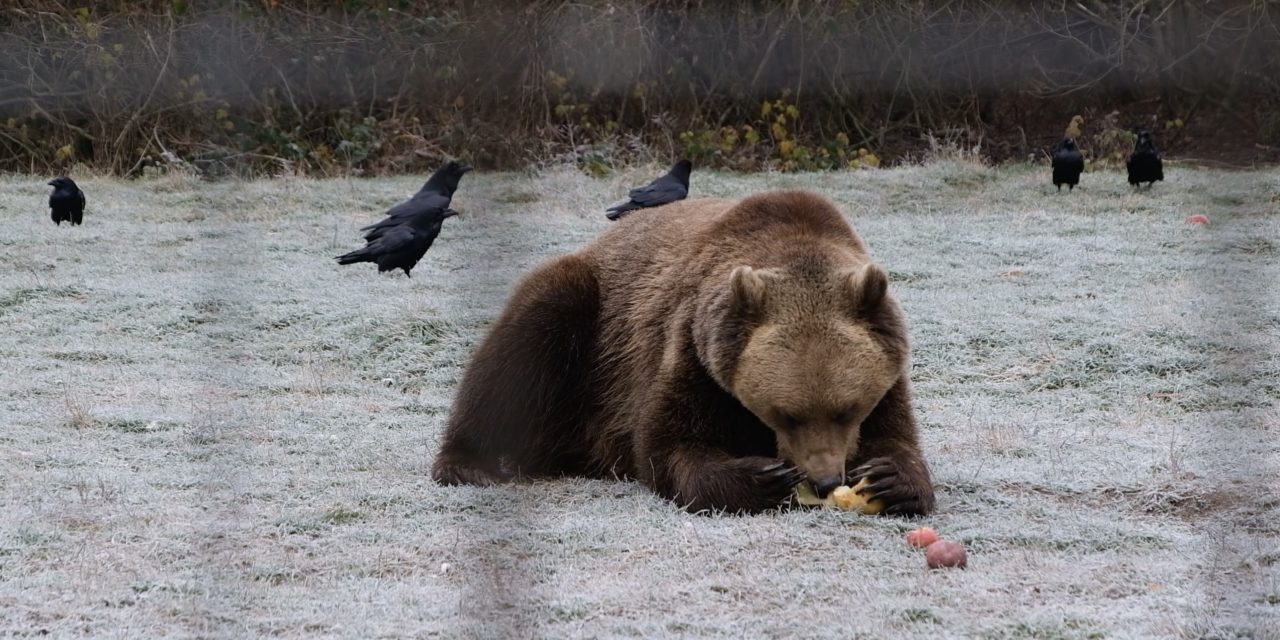
Romania is known for its dense bear population living in the Carpathian Mountains that stretches through the country. Some people are so wary of the bears that they wouldn’t dare enter the Transylvanian forests, while others book all-inclusive bear‑watching trips right in the heart of the Carpathians. In recent years, Romanian nature has received more recognition, but human‑bear conflicts have also increased. Compared with a decade ago, these conflicts have risen significantly: between 2010 and 2015 there were 80 attacks, while from 2016 to 2021 there were 154 attacks. In 2023 alone, authorities received over 7,500 emergency calls reporting bear sightings and incidents, more than twice the total from the previous year.
Romania’s government takes action
With more bear sightings and conflicts, the government stepped in. After a deadly bear attack in July 2024, the Romanian government more than doubled the annual legal hunting quota, from 220 to 481 bears. Bears may only be shot by licensed hunters, and the quota is divided between state hunters, private hunting associations, and a limited number of paying tourists on guided trophy hunts.
Ionescu Ovidiu, president of the Hunting Association responsible for allocating the quota, explains that the division is based on regional bear populations and risk levels. “Areas with more conflicts receive a larger share of the quota,” he says.
In relation to the EU
Romania has introduced several measures to manage its bear population, but these steps sometimes clash with European rules. Brown bears are strictly protected under the EU Habitats Directive, which says they must be kept in a healthy population and generally prohibits killing them.
However, the law includes an important exception: the directive allows exceptions, meaning a country can take lethal action if there is no other solution to protect people, property, or livestock, and if the overall population remains safe.
Since Romania has the largest bear population in the European Union, authorities explain hunting quotas and other measures are needed to keep people safe. Each year, the number of bears allowed to be hunted is carefully chosen to make sure the population stays healthy. Before joining the EU, hunting in Romania was less controlled, so today’s quotas are a more balanced way to manage bears rather than allowing unlimited hunting. According to the EU, national authorities are largely responsible for ensuring these exceptions are properly implemented.
The EU also recommends a range of non-lethal measures to prevent conflicts before lethal action is taken. These include bear-proof garbage containers, electric fencing and educational programs to reduce risky encounters. In practice, however, it is up to the Romanian government to decide whether to implement these measures.
A new European Union-based sanctuary
Romania, with help from the EU, is taking another measure to prevent more conflicts. With support from European funding, a new and expanded bear sanctuary is currently being developed. The sanctuary is meant to house bears that have become too used to humans, and come too close to populated areas.
The sanctuary was supposed to be completed by now, yet it still appears far from finished. Little public information is available about its progress. Paula Ciotoș, vice president of the organisation Millions of Friends, has expressed serious doubts about the project’s future: “They started building the sanctuary with EU funding before the pandemic, and now there are only a few metres of fence. I don’t know if it will be finished in my lifetime.”