Despite squatting being illegal since 2010, it is still popular in the Netherlands. One of these squatters is Thomas, who has been living in an old school building for the past five years with his other 21 roommates, while the house is full of mice and cracked walls.
Housing shortage
In 2024, around 180.000 homes were vacant while there is a shortage of 26,500 homes in the Netherlands for students and young people. Squatting seems to be the outcome for the housing shortage and is mostly seen as an activist movement protesting against the housing shortage and vacant properties.
21 roommates
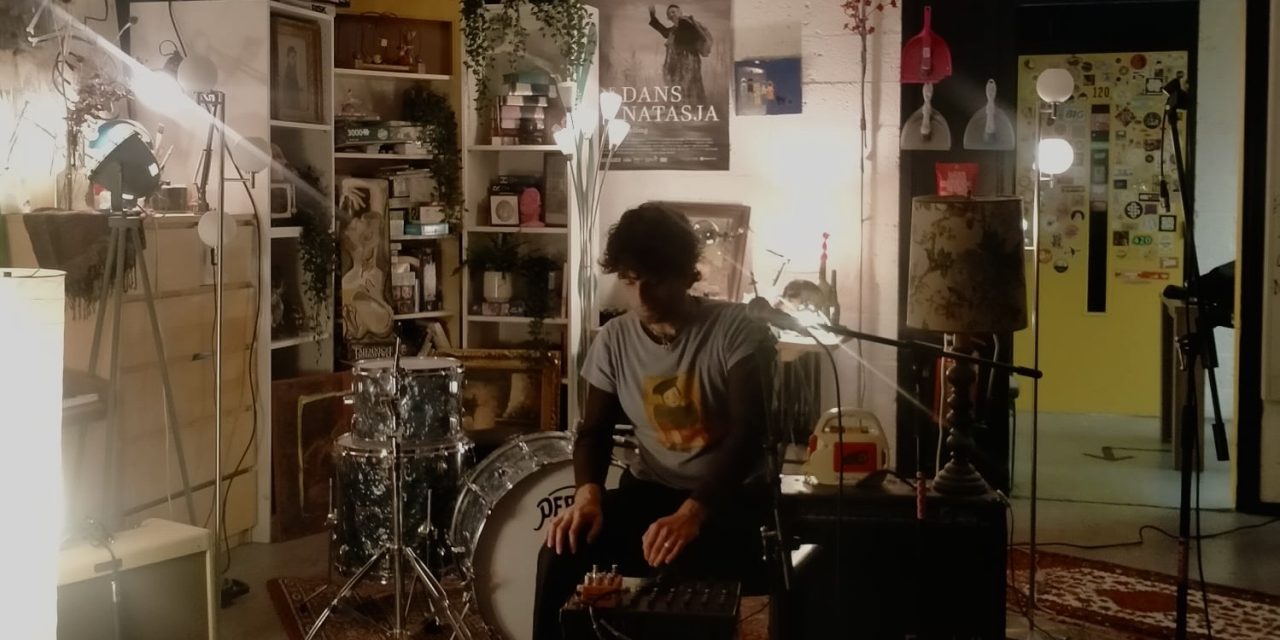
“When I came to live here, I didn’t expect to stay longer than six months, and now it’s already been 5 years. I really enjoy living here, but it can also be busy. Sometimes when I’m looking for some peace and quiet, there might be ten people making music in the living room. You have to be able to handle that, but it’s also nice that people organize things.” Thomas says. For privacy reasons, he prefers to only use his first name. Thomas also organizes things within the house himself, such as a “tiny desk” concept where eight local artists come to perform in the old lecture hall that serves as their living room.
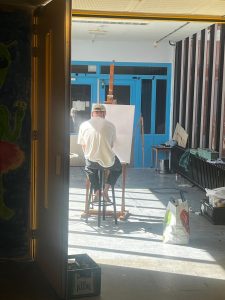
Thomas’ house is home to a bunch of creative people. About half of them are still studying, and the other half are working. Many make music, which means there are always instruments in the living room, but there is also a lot of painting going on in the house, as can be seen from the murals that can be seen throughout the house.
Standing strong in a less strong house
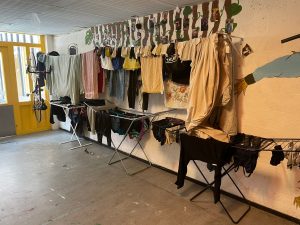
The house is still not in the best condition. “It has been cobbled together by the first residents, is full of mice, and the walls are made of thin plasterboard with cracks in them. You can tell that it has not been well maintained”, Thomas says. But he still doesn’t want to leave, even though the action is illegal. “Living with so many people feels like a small community, and we stand strong together to ensure that we are not evicted. Since I’ve been living here, they’ve been threatening to demolish the building, but it never happens. Now they say it will happen within two years. One of my housemates is on the city council. He knows a lot about the laws and makes sure we can take the right legal steps to delay the eviction for as long as possible.”
Legal support
The fact that Thomas has someone in his house who knows all the laws is not something to be taken for granted. As a squatter, you can therefore turn to various organizations that can offer you legal support, such as the Bond Precaire Woonvormen (BPW) translated as Precarious Housing Association.
This association is run by volunteers, and fights for you as an individual or collective against housing insecurity. “We have a large national network and can help residents of squatted houses to claim their right to housing by putting them in touch with organizations or providing them with legal arguments.,” Abel Heijkamp explains. He has been a member of the association since it was founded 16 years ago and has noticed an increase in the number of requests they receive as an association. On behalf of the association, he can put people in touch with rent committees, but they also work with a list of lawyers who can provide legal assistance to residents.
But they don’t just provide legal support to residents; they also organize protests with the union, which previously helped to delay the eviction of the Knoflook building in Den Bosch, which had been squatted for 20 years, and protested against the eviction of 250 residents of Socius in Utrecht. This ensures that, with the right people and organizations around you, you can guarantee yourself a little more housing security as a squatter and maintain this form of living.