Where techno culture pushes back against constant recording
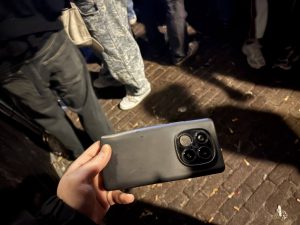
On weekend nights in the Netherlands, techno clubs bring together dancers seeking anonymity and collective escape. At the entrance, alongside ticket checks, staff now place stickers over smartphone cameras and remind guests that filming is not allowed. This policy is designed to shift attention back to the music and the shared experience of the night. In one of Europe’s most digitally connected societies, a screen-free dancefloor feels increasingly unusual, raising questions about how presence is shaped when people are no longer recording.
In cities such as Amsterdam and Utrecht, several venues have introduced limits on phone use in an effort to protect intimacy and presence on the dance area. At BASIS in Utrecht, these rules are clearly stated at the entrance. The club presents itself as a safe space based on consent, respect and collective responsibility, where flash photography is not allowed and phones are expected to be used discreetly.
Inside the club, the policy is designed to create an environment where people feel free to let go without the pressure of being filmed or judged. As Mara Grafl, a frequent visitor, explains, “the difference is huge” compared to other clubs. She also says that “people are more present and enjoy the music more” when there is no filming on the dancefloor, and adds that she “feels safer knowing she is not being recorded while dancing.” However, the approach also raises questions about surveillance, as security cameras are still in use. While recording is restricted for guests, monitoring does not disappear completely, but rather shifts in form and purpose.
Beyond the experience described by club visitors, local artists also notice the impact of no-recording policies. Holly Foyle, a DJ based in Utrecht, says she feels “more secure and less pressured” when performing in clubs where filming is not allowed. She explains that when people are not focused on recording, they “enjoy the music more” and engage more with the moment. For her, each set becomes more unique, since “if it isn’t recorded, people are more curious about being there.” She believes this helps create a stronger connection between DJ and audience.
Reactions to these policies remain mixed, but both visitors and artists report clear changes in behaviour on the dance space. Mara Grafl notes that although some people are initially surprised by the restriction, she feels more comfortable in the club, particularly in how she dresses, knowing she is not being recorded. From behind the decks, Holly Foyle observes a similar shift, saying that audiences become more engaged and focused when they are not filming, making the experience more about listening and being present than about creating content.
According to Dutch scholars Tjerk Timan and Anders Albrechtslund, who have studied “participatory surveillance” in digital nightlife, smartphones have transformed club spaces into environments where people are simultaneously watching and being watched. When every movement can be recorded and uploaded, behaviour changes, and self-expression increasingly becomes performance. The researchers argue that by limiting recording, clubs try to reverse this dynamic and restore a sense of ephemerality to nightlife culture.

Despite continuing debates about control, most organisers and many clubbers argue that no-recording policies reshape the way people behave on the dancefloor. Without constant filming, attention shifts away from how moments might look online and moves back toward the shared experience of the night, changing the overall rhythm of interaction inside the club. What began as a niche underground practice is gradually spreading across Europe, from cities like Berlin to other nightlife scenes. Not every venue is willing to adopt it, and not every crowd is comfortable with the idea. Still, the small sticker placed over phone cameras has become a quiet symbol of resistance against the growing pressure to document every moment.