Dutch Courage:
courage artificially stimulated, especially by drink
Also: drink taken for courage
The Dutch are known for many things across Europe. Their excessive cycling, their directness in social scenarios, and their passion for practicality and planning are all things that spring to mind. With these examples, it would be expected that the Dutch are, in general, a sober minded and level-headed group, and the data does in fact support this narrative, with the Netherlands having some of the lowest alcohol consumption figures in the European Union according to Euronews.
To an international who hasn’t been to the country before, it would be easy to think that the reason these figures are so low is that the Dutch people prefer a different substance to unwind after a hard day’s work. This, however, isn’t the case; don’t let the famed coffeeshops of Amsterdam fool you, there are far deeper cultural forces at play here.
‘Borrel Culture’
One key aspect of Dutch drinking culture that often goes overlooked is ‘Borrel culture’, which involves colleagues and friends going out for drinks after work. This seminal part of Dutch daily life has its roots in the trading days of the Netherlands’ colonial past. sailors and merchants would all gather in local taverns to trade, bond with crewmates, and unwind.
Due to the rising wave of Calvinism across the Netherlands at the time, and because Dutch taverns served as a 17th century office space in which deals were drawn and partnerships were formed, a more responsible style of drinking was adopted. Moderation was preferred to over-indulgence, a stark contrast to many of their counterparts across Europe.
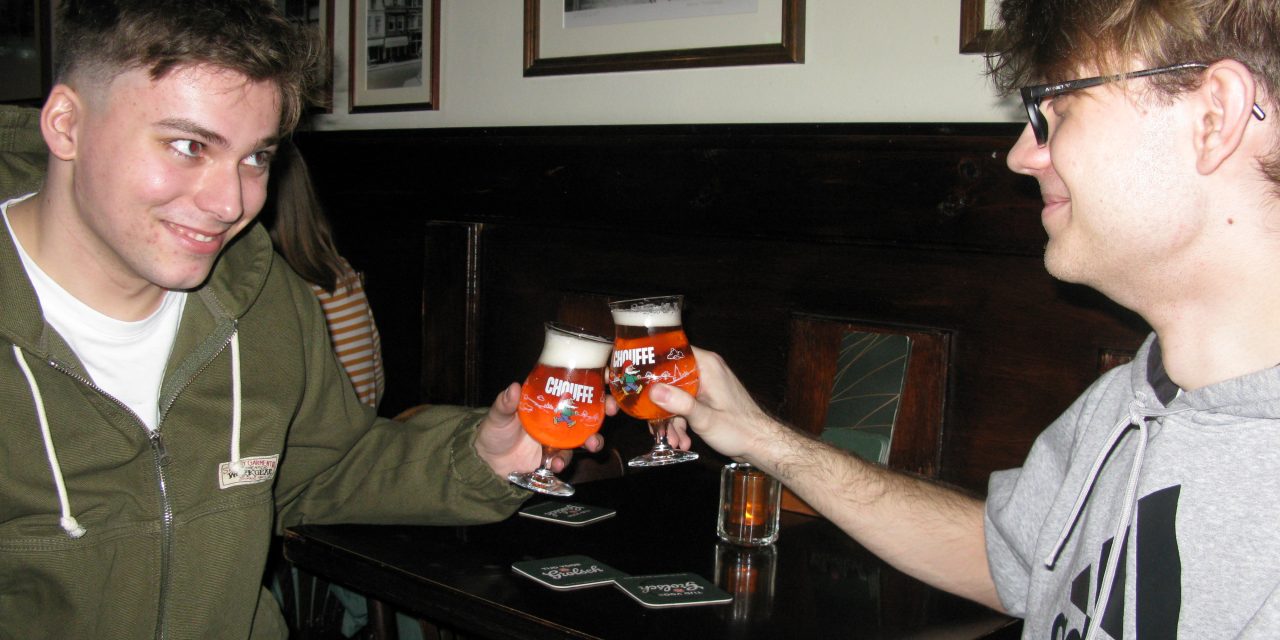
The preference toward more moderate consumption can result in a culture-shock for some foreigners used to a larger serving size. The Standard size of a Dutch beer of 25cl is less than half that of the British imperial pint, for example, which is 57cl. The smaller size is also used to ensure quality, as smaller beers stay colder and fresher for longer, which makes them perfect for an extended drinking session where social interaction is prioritiz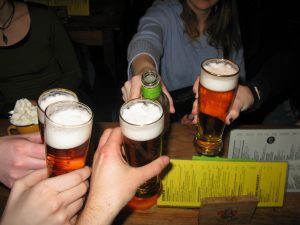 ed over inebriation.
ed over inebriation.This drinking style aged well through the centuries, as the country transitioned through the industrial revolution to the modern day, Dutch society changed, but this tradition stayed strong, and after-work drinks are still very much commonplace.
‘Gezelligheid’
The feeling one gets in this environment is referred to as Gezeligheid, which doesn’t have a direct English translation, but it broadly means coziness or comfort in a friendly environment. This word perfectly incapsulates the Dutch model of drinking, it perfectly sums up the preferred environment of a bar in the Netherlands, which can be characterized as a comfortable place in which friends and colleagues alike can bond with and strengthen connections with one another while enjoying some small beers and a relaxed ambience. The real ‘Dutch courage’ comes from the people, not the booze.