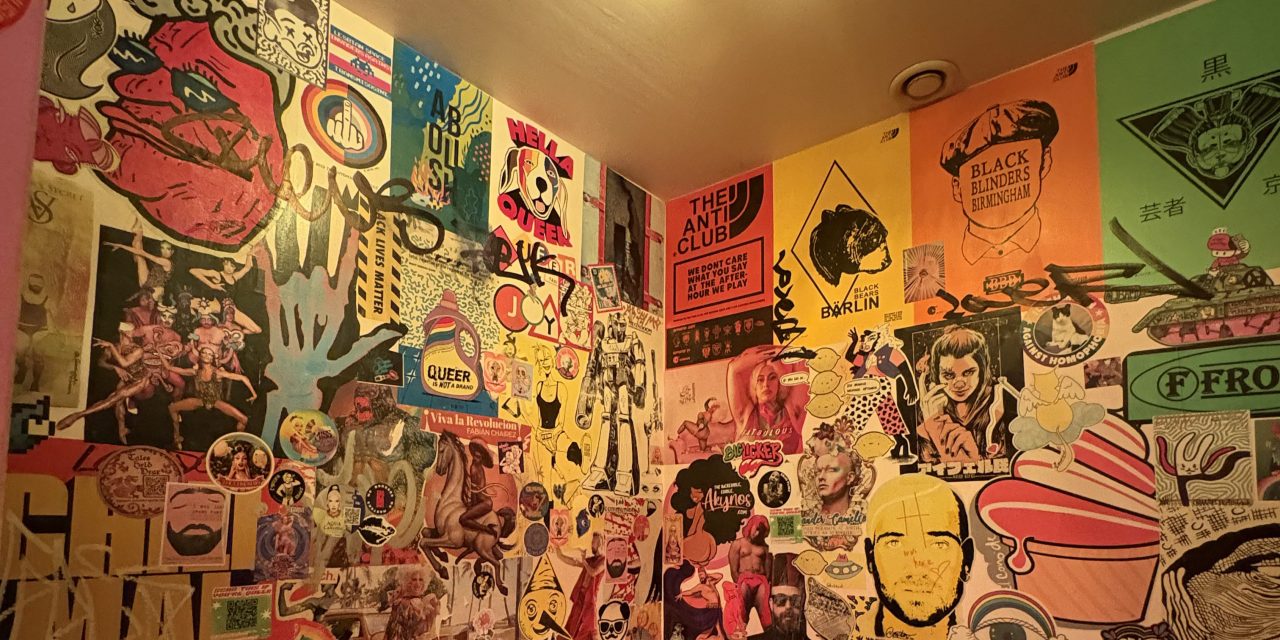
Walking through Berlin, street art is everywhere, but not everyone has the same visibility in this space. For a long time, the scene has been dominated by male artists, while women have often remained less present in public spaces. In recent years, this has started to change as more female artists begin to claim space and introduce new perspectives into the city’s visual landscape.
One of the artists contributing to this shift is Katie, a Berlin-based paste-up artist originally from Chicago. Her practice reflects how women are increasingly entering a scene that has traditionally been male-dominated, using techniques that allow for a more flexible and less exposed way of working in public spaces.
Paste-up is central to her work. It allows her to prepare pieces in advance and install them quickly in the streets, adapting to the rhythm of the city. “I like that I can work on everything at home and then just bring it into the street,” Katie explains. “It makes the process more personal, but also more protected.”
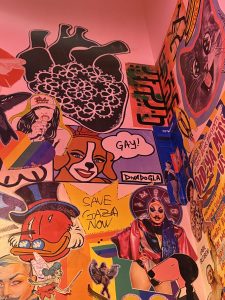
Berlin has played an important role in the development of street art. As Kai Jakob explains in Street Art in Berlin, the post-wall period opened space for artistic experimentation, turning the city into an open-air gallery shaped by constant visual interventions. However, this openness hides inequalities, as graffiti has traditionally been dominated by men and shaped by visibility and risk. According to researcher Sofia Pinto, these conditions have limited women’s participation, while paste-up offers a more flexible and less exposed way of working in the city.
Katie is a Berlin-based paste-up artist originally from Chicago. She arrived in the city in 2020 during the COVID-19 lockdown, when the streets felt unusually quiet. Long walks through the German capital brought her closer to its street art scene and eventually inspired her own artistic practice. “I started paying more attention to what was happening on the walls around me,” she recalls.
Her background is rooted in textile work and tatting, a traditional lace-making technique that she later brought into the urban environment. Today, her paste-ups combine delicate lace-like patterns with the rough textures of walls and public infrastructure. Through these interventions, she explores themes related to feminism, queer culture and visibility in public space.
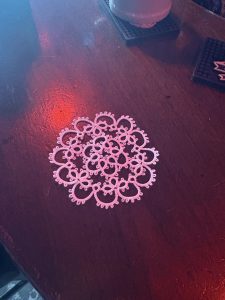
As a result, her paste-ups combine delicate, lace-like patterns with the rough textures of walls and urban infrastructure. Through these works, she explores themes related to feminism, queer communities and drag culture, bringing visibility to identities that are not always represented in public space. “I like creating things that make people stop and look twice,” she explains.
In addition, the paste-up technique is central to her practice, since it allows her to prepare pieces at home and install them quickly in the street. This flexibility helps her adapt to the constantly changing nature of urban space. She also acknowledges that working in public as a woman can still feel challenging, particularly at night. Although she believes women are becoming increasingly visible in street art, she notes that a certain degree of caution remains necessary.
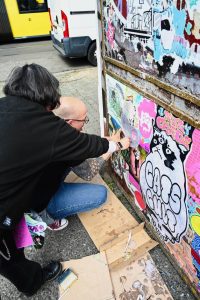
Ultimately, her practice sits between craft and urban intervention. By bringing textile traditions into the street, she questions what urban art can be and who it is for. She links personal memory with public space, turning delicate patterns into subtle but striking interventions. As the city continues to evolve, its visual identity changes with it. Through these quiet but constant interventions, artists like her help shape a more diverse and inclusive urban landscape, where women’s presence becomes more visible and new ways of reading the city and the stories embedded in it emerge.