Despite a growing population of over fifteen million people, and new modern buildings everywhere, Istanbul’s historic centre keeps the city’s rich history alive. Throughout the city you can see the remnants of the Byzantine and Ottoman period in the historic architecture. And thanks to the continuous reconstruction going on to keep them preserved, they’re all in top shape.
As the sun slowly begins to set, Istanbul’s nightlife starts to defrost. Along the waterfront, seagulls cry and ferryboats echo their horns through the air. The waves of the Bosphorus hit the city stones, their salty scent strongly mixed with the fish sandwiches being served from the shoreline. It is the beginning of summer and a national holiday, so the city is as alive as ever.
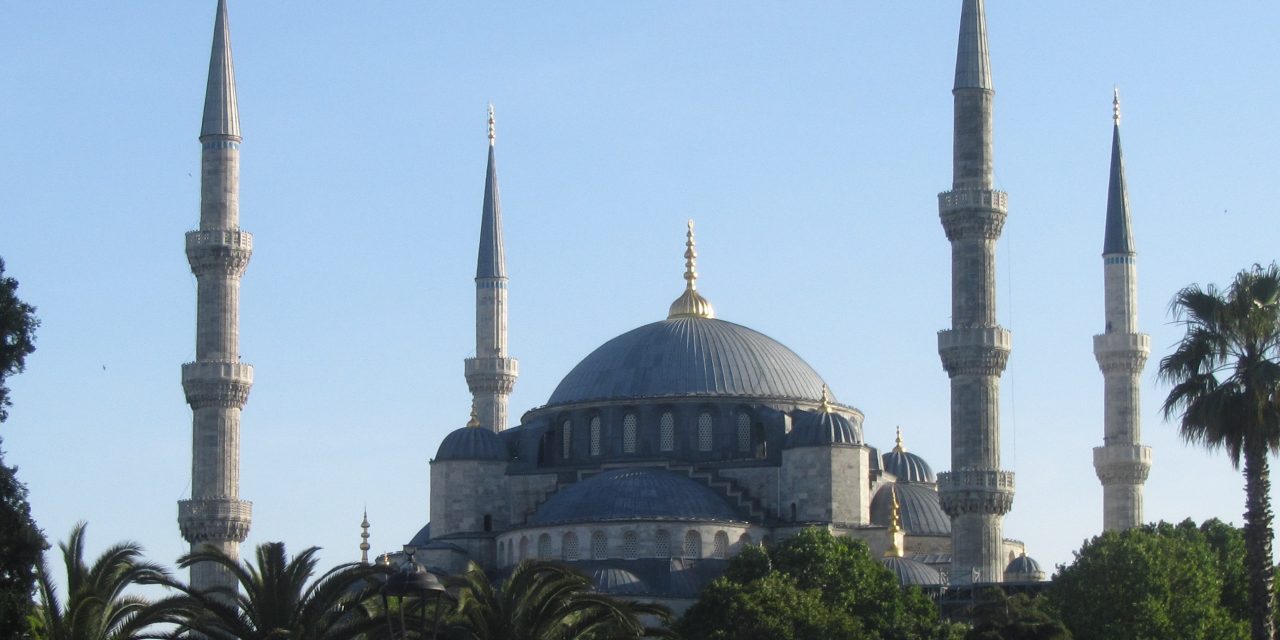
The domes of Hagia Sophia and the Blue Mosque stand in the city’s historical centre, with the last rays of sunshine hitting their side. From the minarets, which form a recognizable silhouette in the city skyline, the call to the evening prayer echoes. It would have been a picture perfect view from the Galata Tower, were it not under construction. Just like one of the minarets of Hagia Sophia, and plenty of other buildings in Istanbul, the tower stays preserved through years and years of construction.
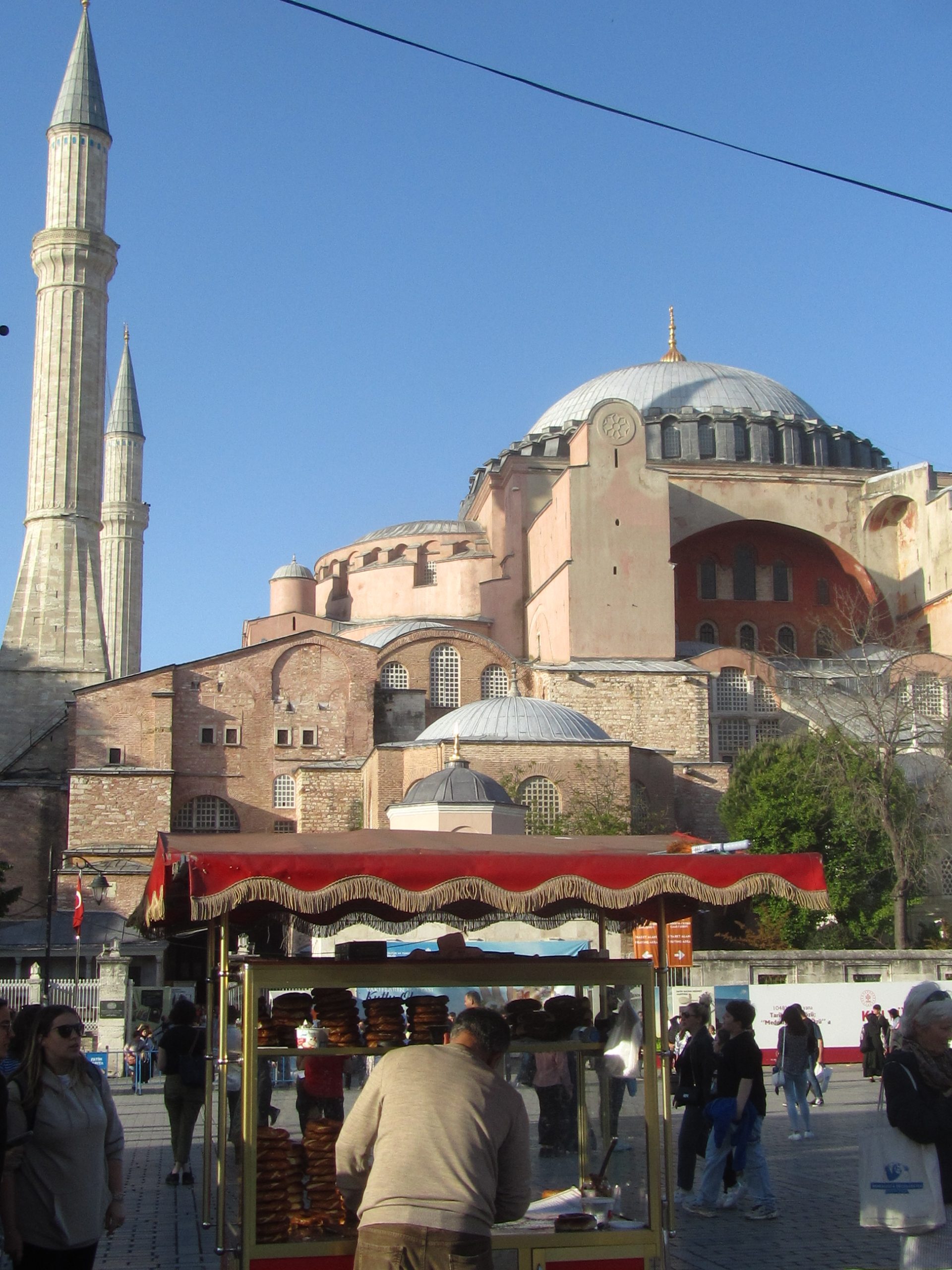
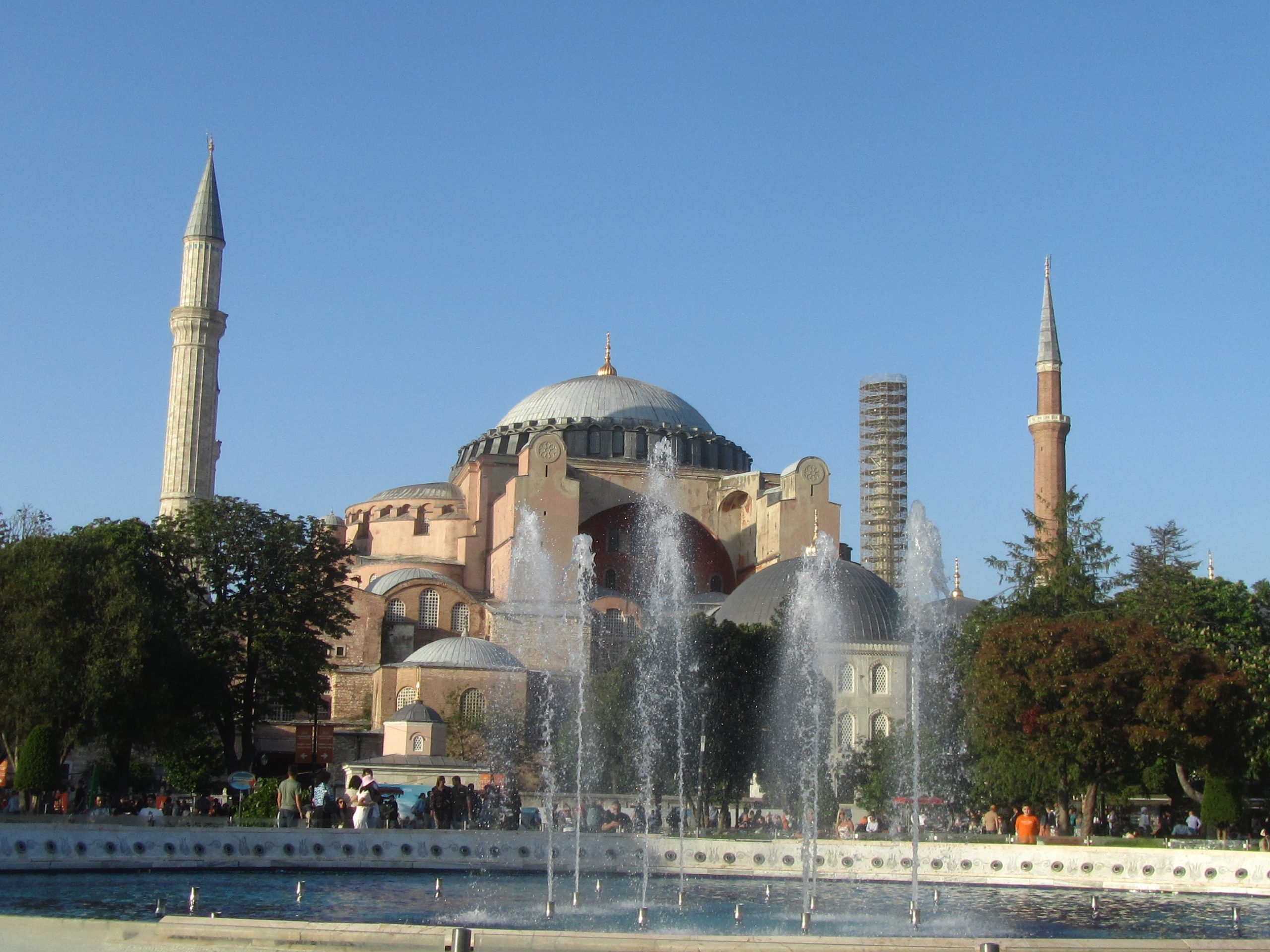
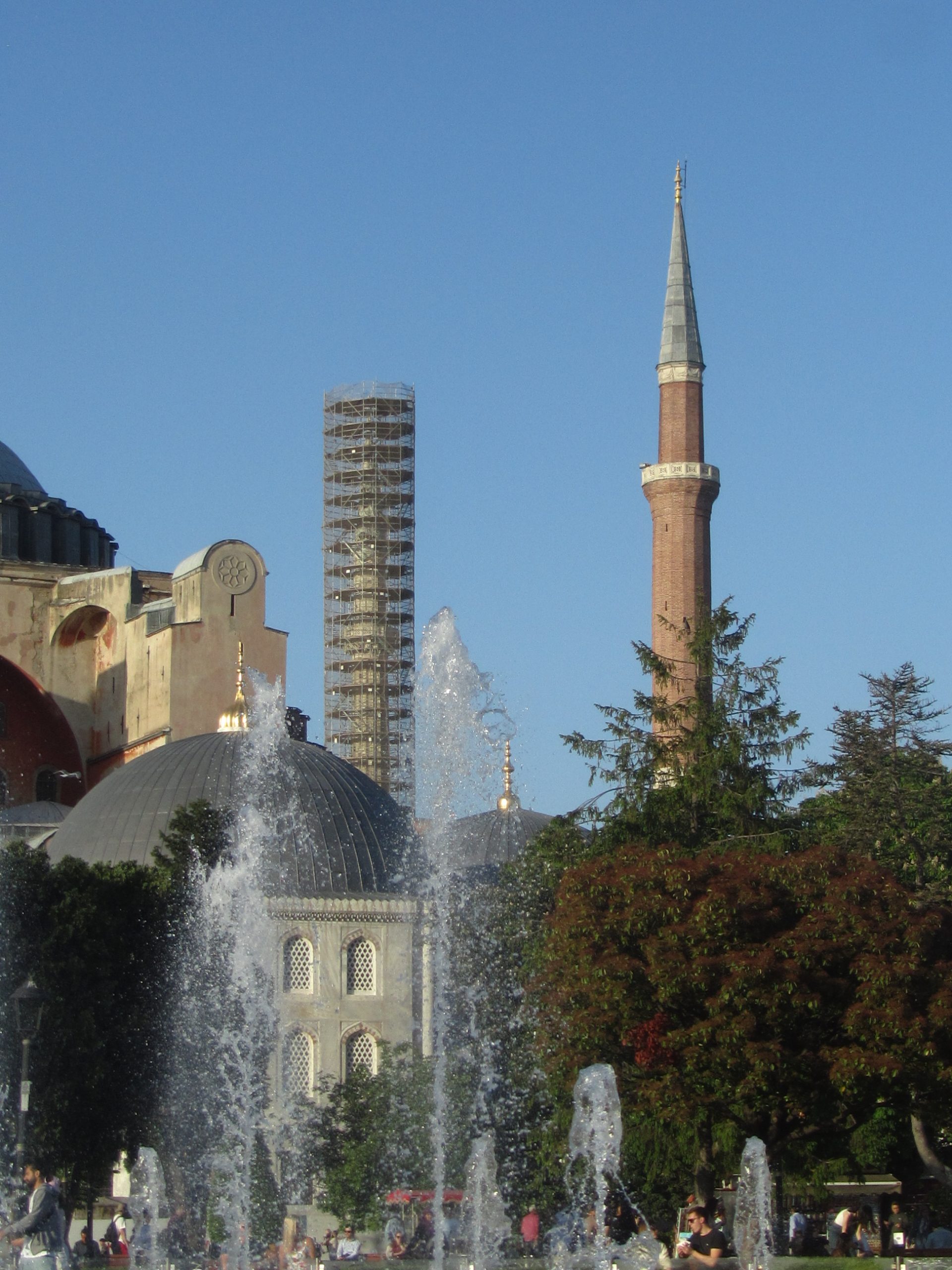
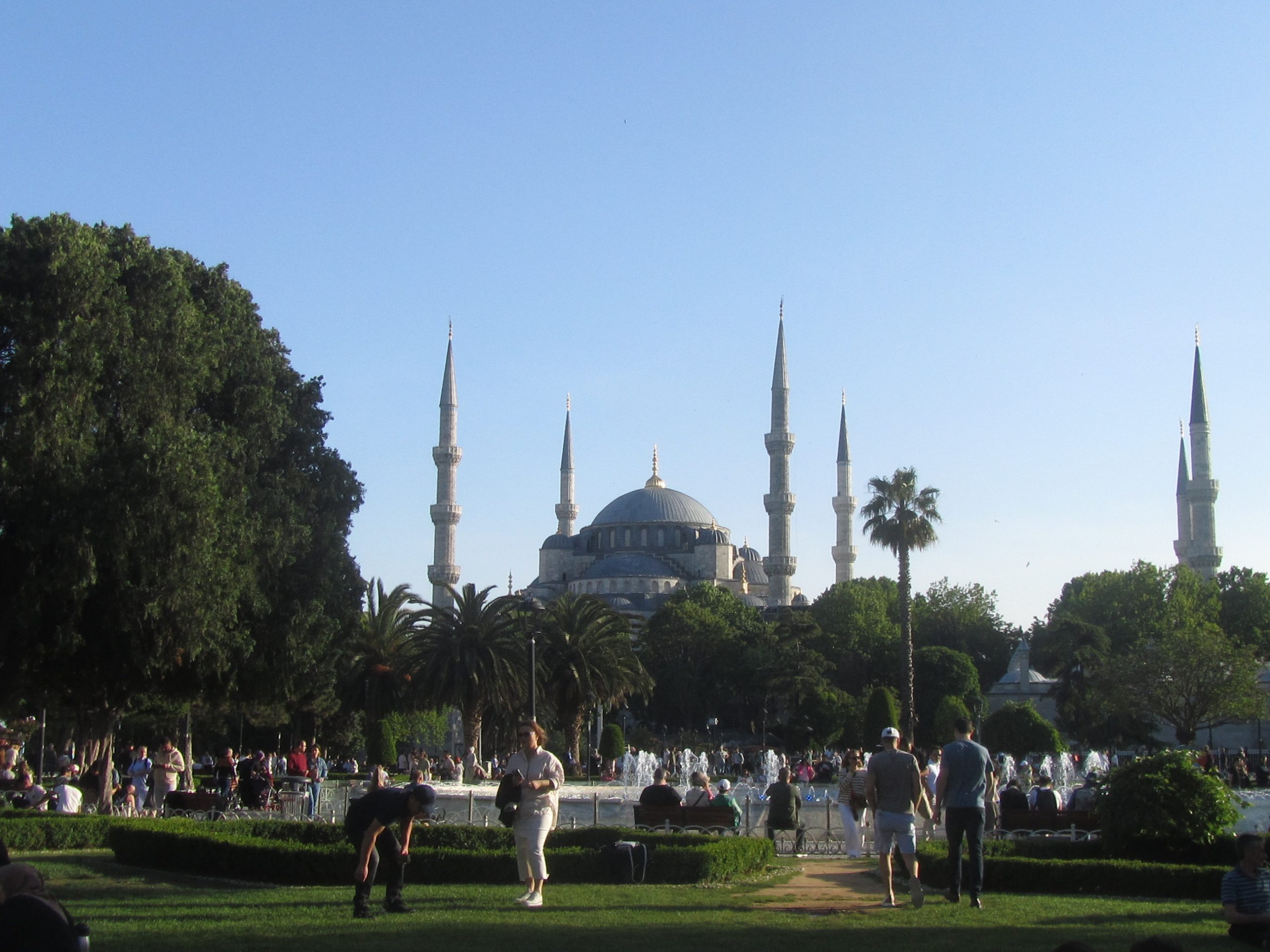
"They are our culture, our past and therefore, we preserve them." Professor Zeliha Hale Tokay
It’s not so odd that they are constantly under construction, considering the city’s identity thrives on its historical buildings. “These buildings are our cultural assets. If we can’t bridge our past with our future, our identity will be disconnected”, says Professor Zeliha Hale Tokay, director of the Cultural Heritage Preservation and Restoration college. “They are our culture, our past and therefore, we preserve them. But in that way everything from our past is important. Not only our structures but also our cultural values, our architectural elements and even small artefacts are important. Everything is important.” Professor Tokay, originally an architect by profession, has been working in the field of restoration and preservation for over forty years now, and still teaches the subjects to students at The Mimar Sinan University of Fine Arts.
There are a lot of rules that come with restoration and preservation of historical buildings. “Our first law regarding cultural heritage was enacted in the 1950s. A board called the High Council of Real Estate, Antiquities and Monuments was established under the Ministry of Culture. That board decides which artefacts need to be preserved.” The latest law they work with is law no. 2863, which is still in effect. “Now, according to that law, there’s also the concept of a site decision. It says protecting only individual structures won’t work. It’s necessary to preserve the old buildings along with their surroundings. It says there’s value in that.” An example she gives of preserving the surroundings along with the buildings is the silhouette of the Istanbul skyline, which you may not change.
Law #2863 (Cultural and natural assets protection law) from the Ministry of Culture and Tourism was accepted on the twenty first of July in 1983. With a total of 78 articles, it is now the law used as a guideline when it comes to preserving and restoring historical buildings.
The purpose of this law is to determine the definitions of movable and immovable cultural and natural assets that need to be protected, to regulate the procedures and activities to be carried out, and to determine the establishment and duties of the organisation that will take the necessary principles and implement decisions on this subject.
The law covers issues related to movable and immovable cultural and natural assets that need to be protected and the duties and responsibilities of real and legal persons regarding them.
REPURPOSING
As Türkiye hasn’t had a Sultan since the establishment of the Republic a little over a century ago, old buildings like palaces became vacant and purposeless. So some of them turned into museums, and others turned into hotels. Something Tokay isn’t very happy with… “I don’t find it very healthy, to be honest. But I guess there’s no other way to protect such large structures other than giving them a new function. But when it becomes a hotel, only certain wealthy individuals come and stay. Others cannot benefit from it, which I think is a shame.” In her opinion a much better option would be a cultural centre, or a public building. Something more accessible to the public. Or maybe even a university, like Mimar Sinan University itself, which is also built in an old palace.
One of these, and arguably the most well known, transformed palace hotels is Çırağan Palace. The building sits on the shoreline of the Bosphorus, with a large view over the water and the Asian side of the city. But looking at the palace from the other side, or from a boat, is the only way to see the building. The street view of the hotel is hidden by a big cement wall, which conceals every possible sighting of the palace any ‘ordinary’ person might have. Emre Yalçınkaya works as a concierge at the hotel. He disagrees strongly with Tokay’s point of view. “There are so many palaces which are already museums, so I believe it’s a nice thing for those who can afford it to come to Istanbul and stay at the most beautiful place in the city. It’s the same in other countries, you have fancy hotels in Italy and France too.” Some things in life are just luxurious, he says.
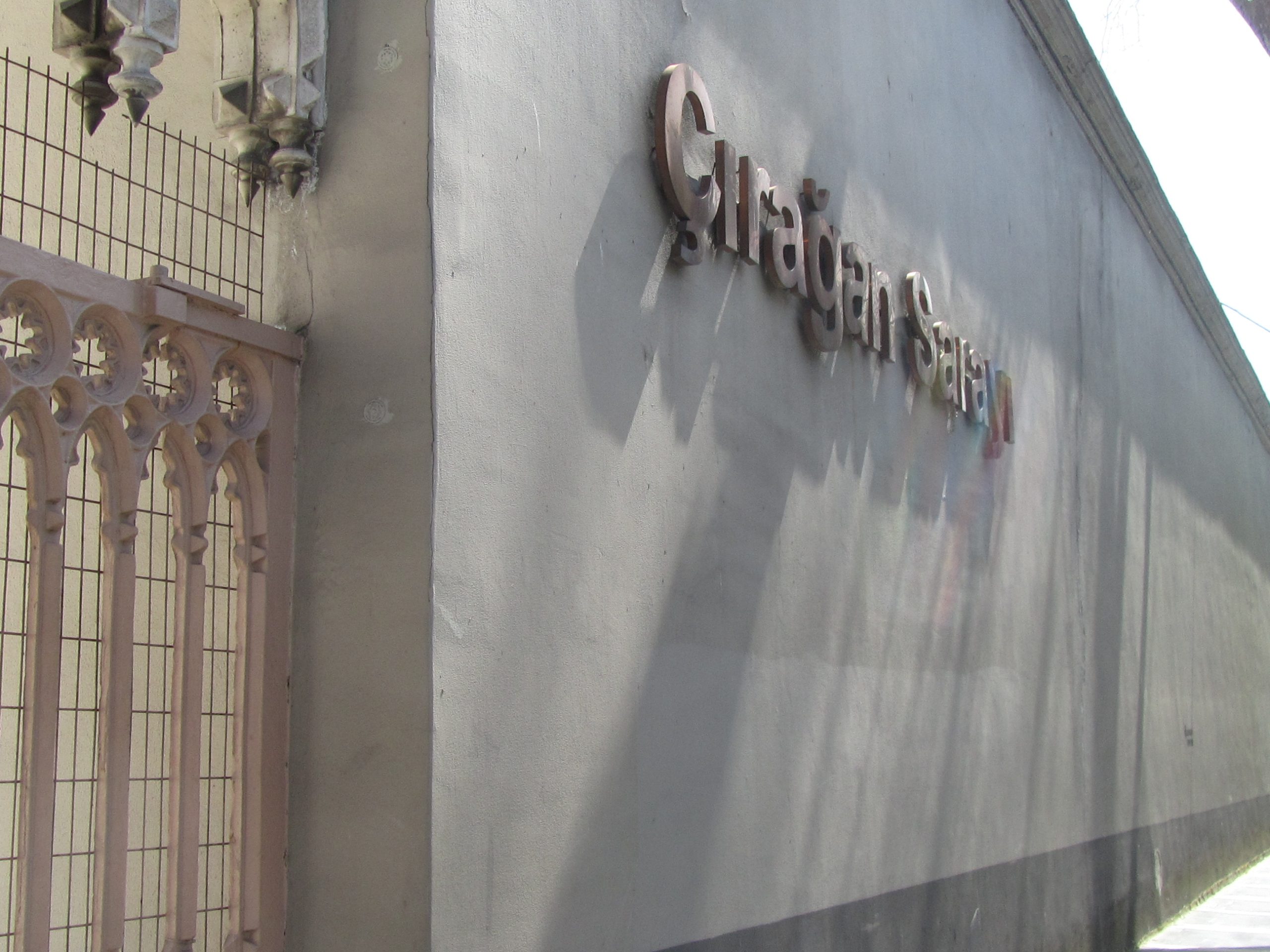
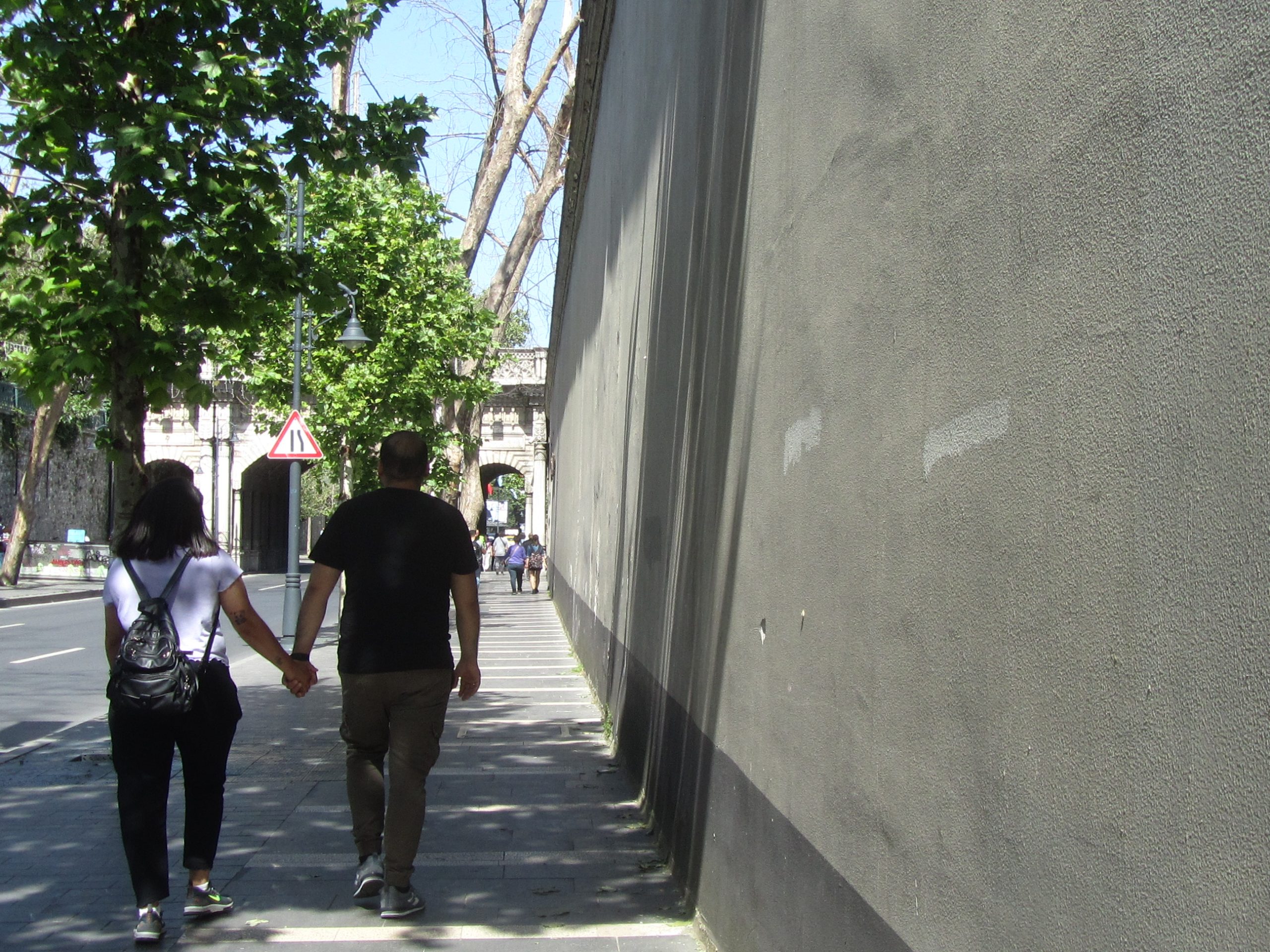
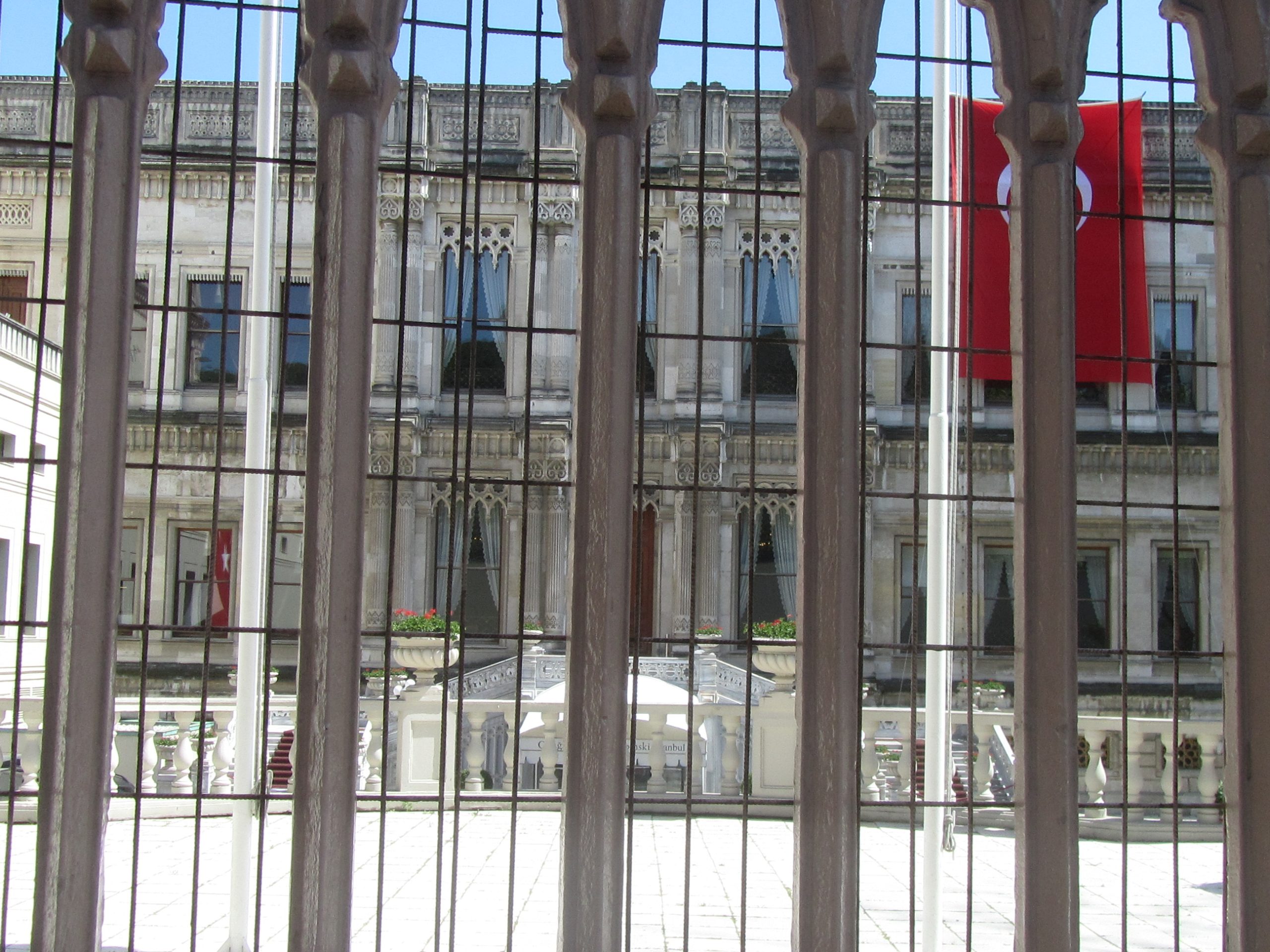
Çırağan Palace is hidden behind big cement walls.
Due to privacy laws, it’s not allowed to take and publish pictures of the hotel once you’re inside, and it’s almost impossible to go in if you’re not a guest, or you haven’t been invited for an event. Within the big cement walls, which to most people is left entirely to their imagination, there is a big green garden with an infinity pool that merges with the Bosphorus. Some guests are swimming, while others enjoy a high tea with decorated little pastries by the water. Servers and concierges like Emre stand near the walls, waiting to accommodate every need the guests may have. It’s a completely different sight than the rest of the city.
The palace building as we know it now, was completed in the year 1817. But on the nineteenth of January in 1910, a fire burned down the entire building. For a long while, all that remained standing was the skeleton of the palace. The area within the walls was favoured for sports competitions during the republic era. However, in 1985, an agreement was made for the palace to be entirely transformed and rebuilt, with a hotel building right beside it, and in 1991, the hotel finally opened its doors to its first guests. Since then, it has been the most known hotel in the city, with big names such as Bill Clinton, Oprah Winfrey and John F. Kennedy Jr. staying within its walls. The palace itself is mostly used for big events, such as weddings.
“I don’t agree with the fact that it should be open for the rest of the public. It keeps the secrecy alive. People pay a lot of money to stay here, so they are allowed the secrecy and the special experience. The big walls outside don’t bother me either, it’s for the privacy of the guests and the secrecy of it.”, continues Emre. If you look at any of the hotels along the strip, you will find the same type of walls, he counters. “Just look at the Four Seasons next door. Not everything needs to be accessible for everyone.”
DOLMABAHÇE PALACE
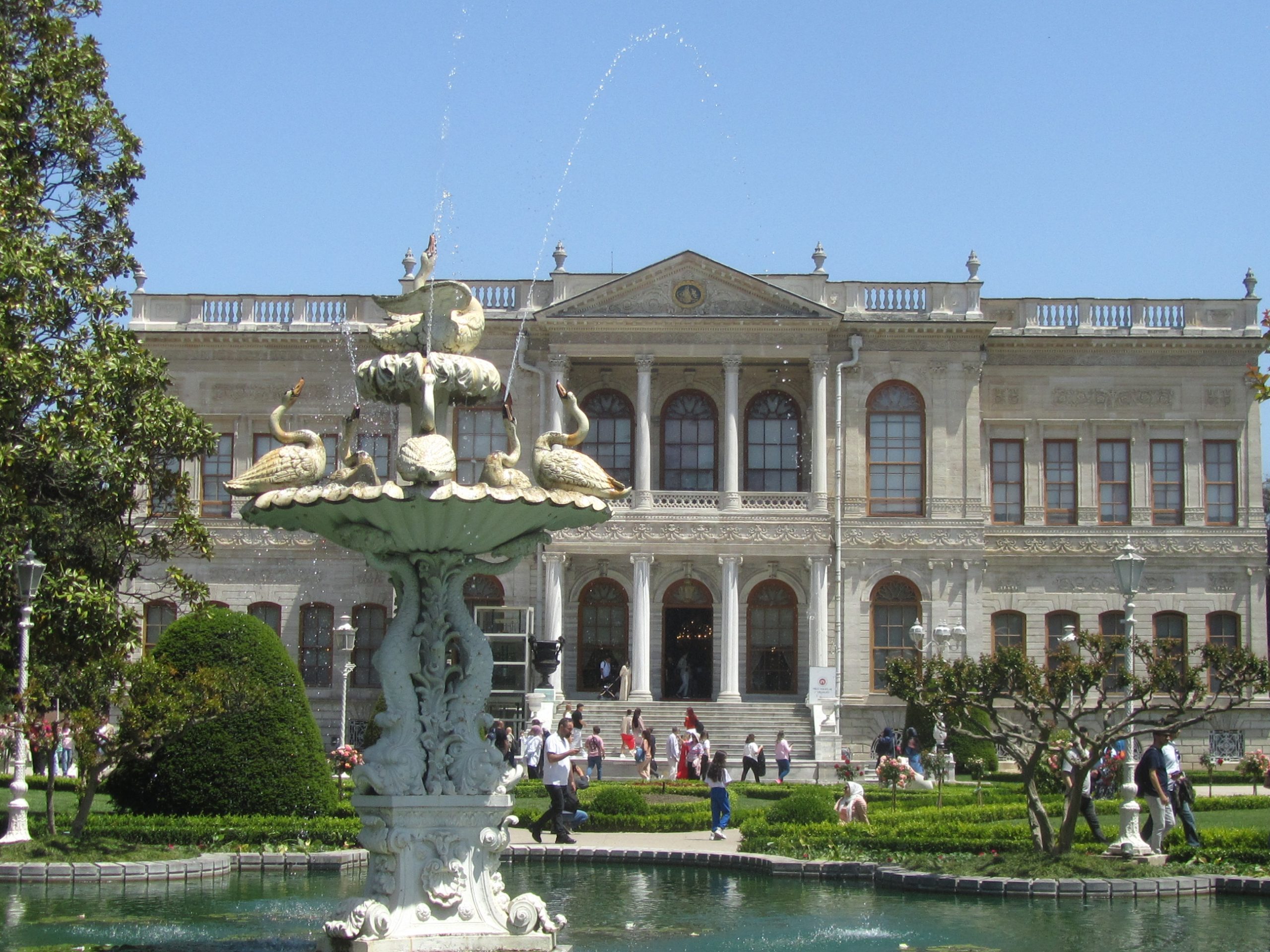
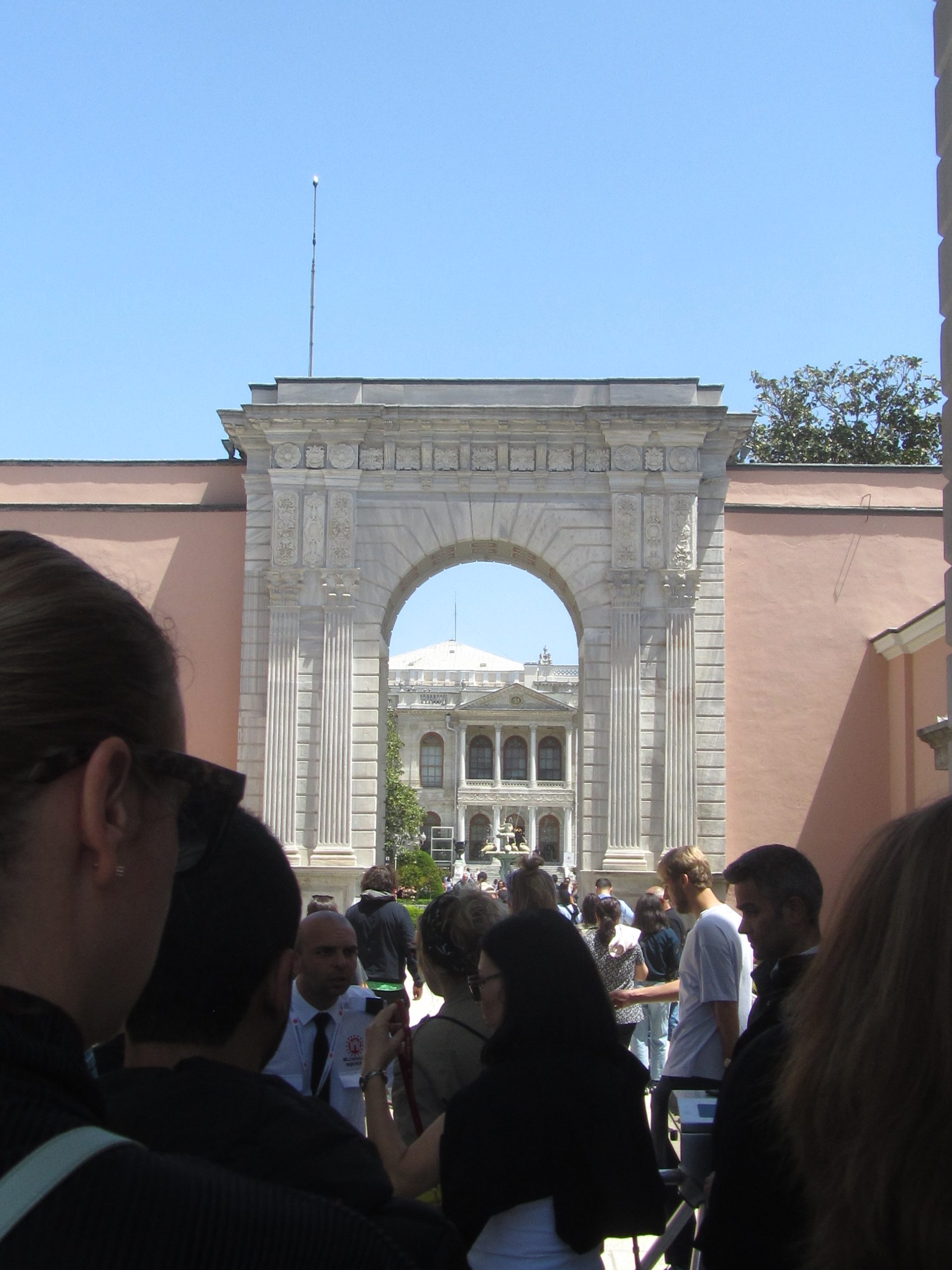
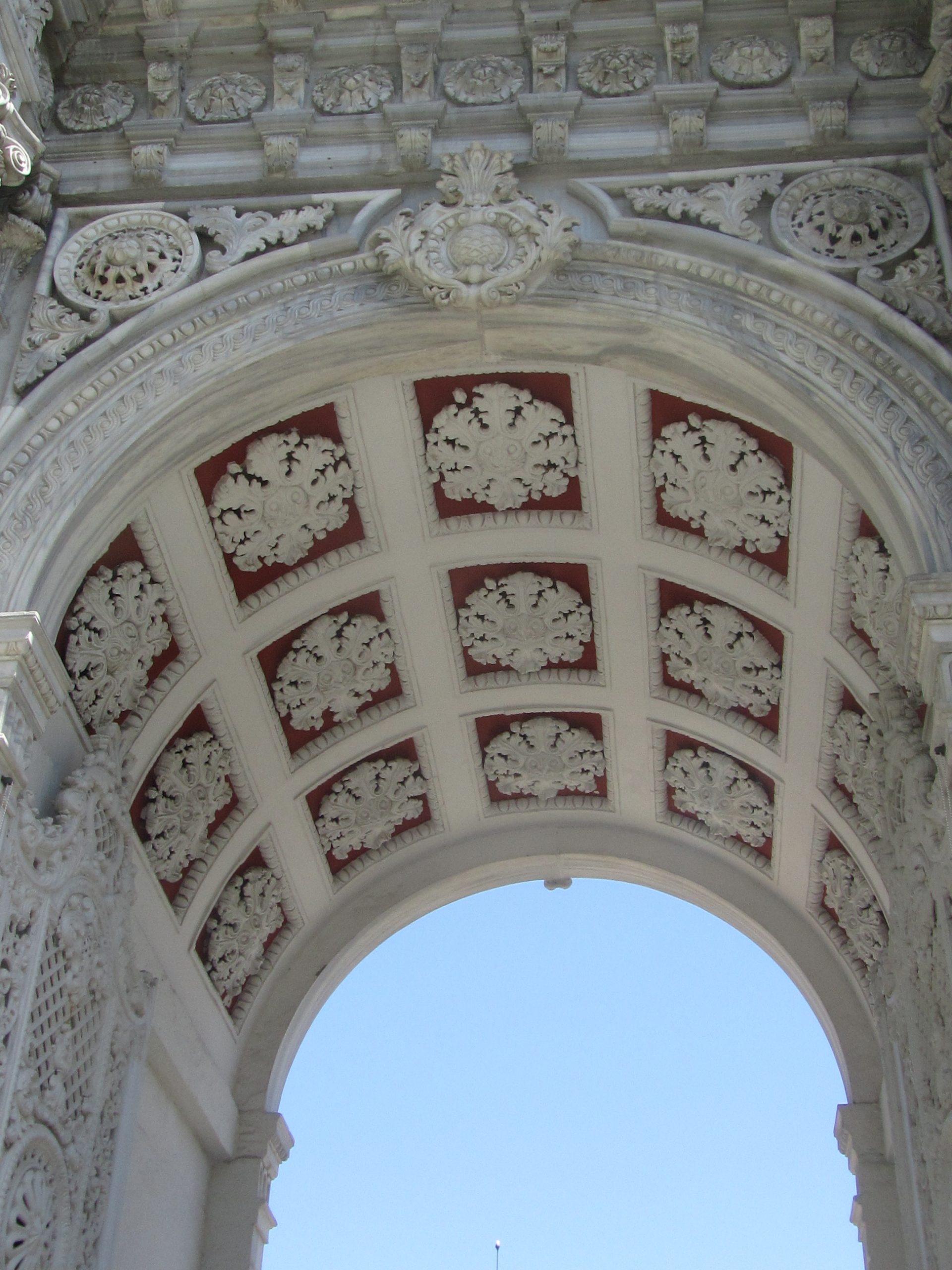
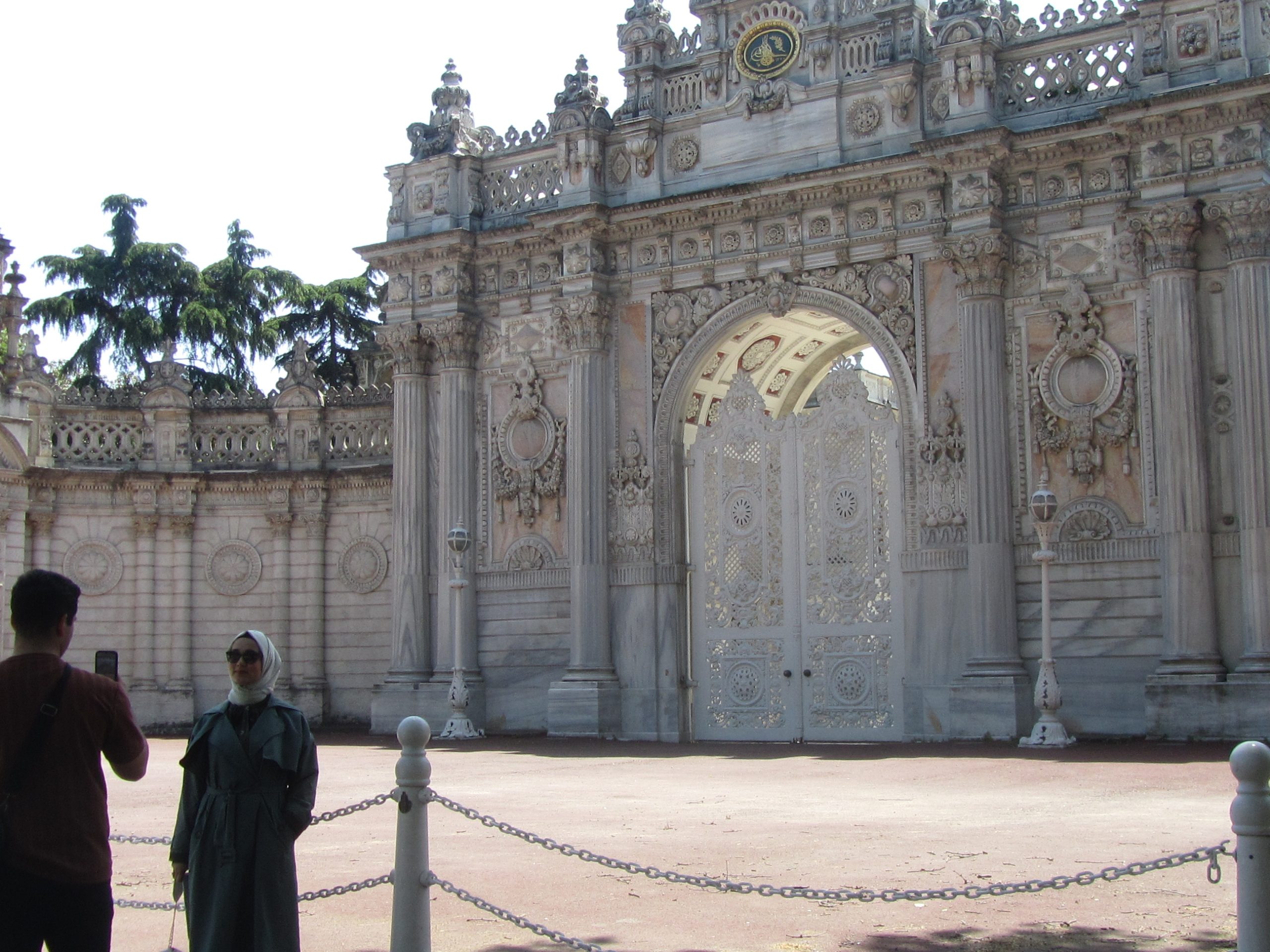
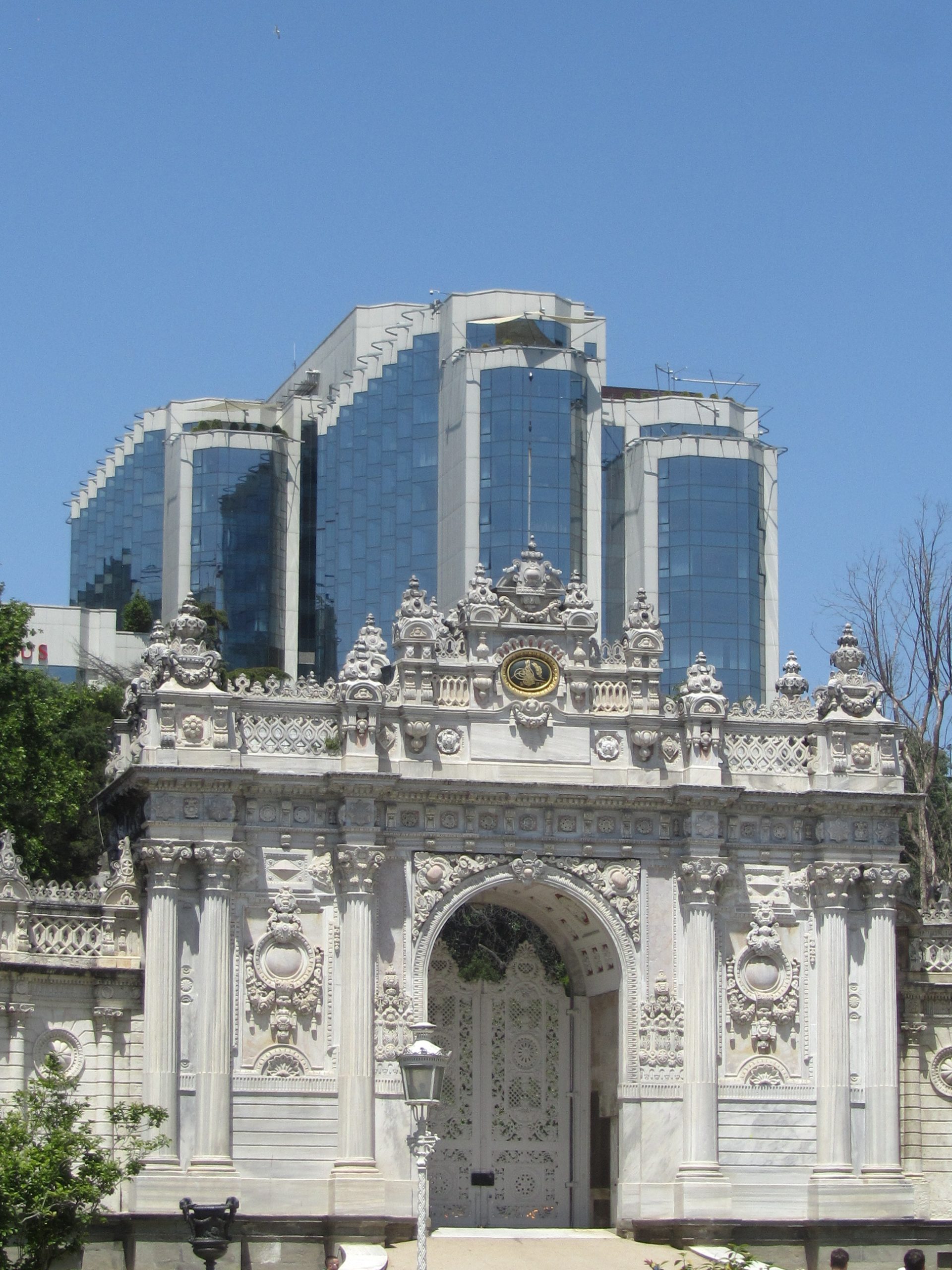
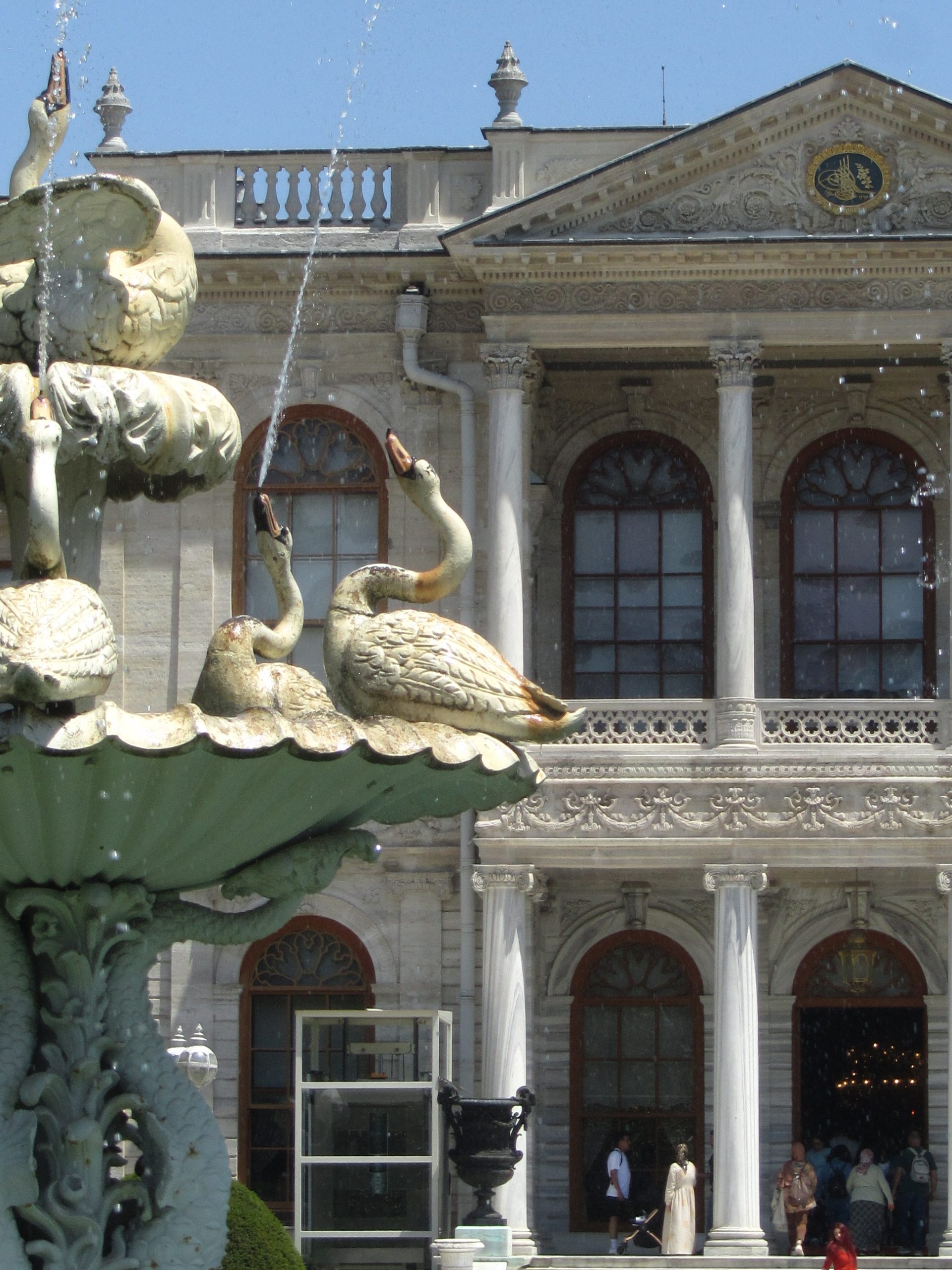
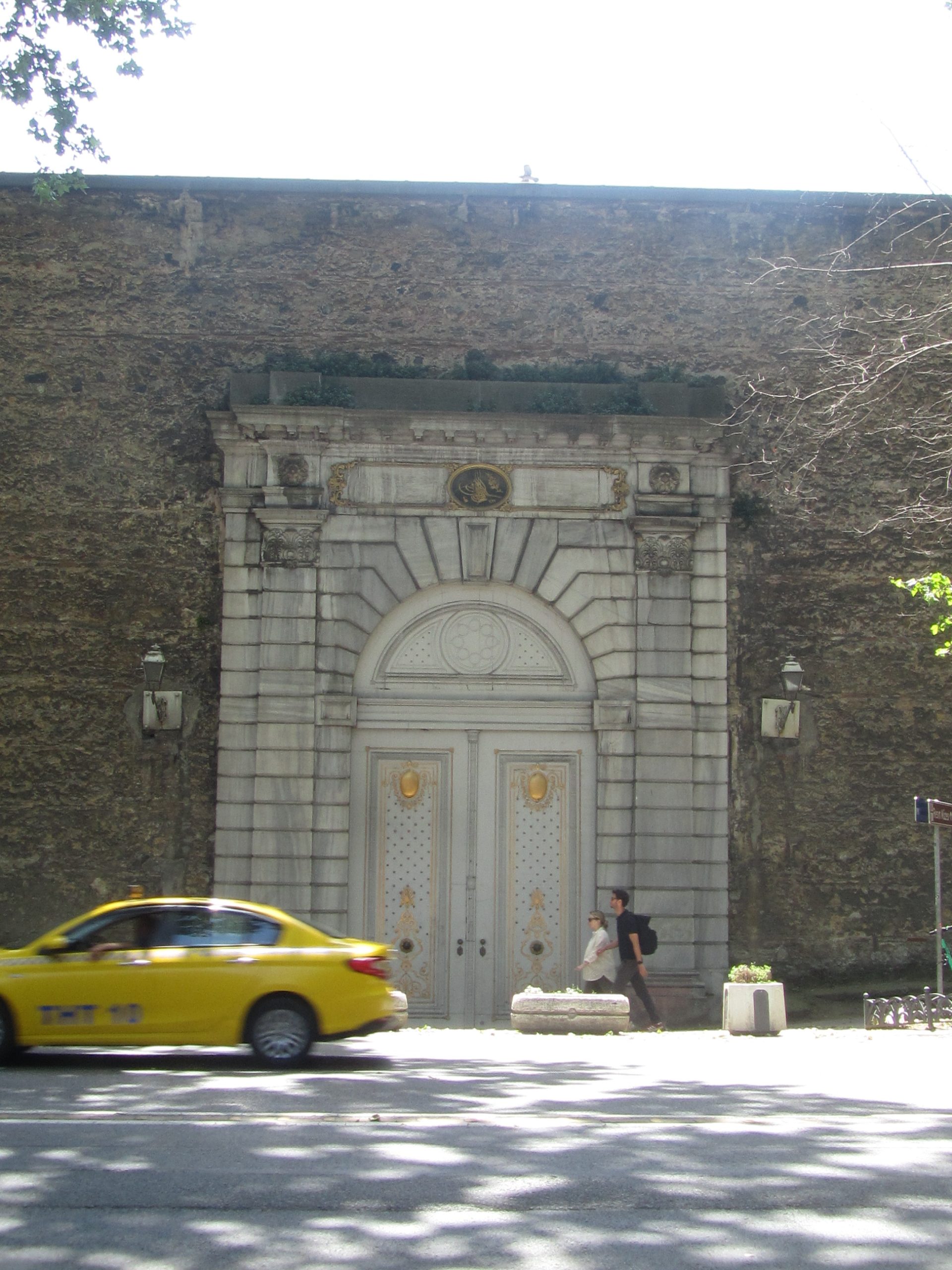
A bit further down the boulevard from Çırağan Palace, is Dolmabahçe Palace. To enter the museum, you walk through two giant stone gates, each of them carved into the tiniest of details. Once you’re through, you get access to its huge gardens, the palace and its Harem. All palaces have their own architectural offices and craftsmen. They repair and restore everything themselves. “They have everything. There are glass craftsmen. Metal craftsmen. Stone craftsmen. They have their own construction sites within themselves. But for large-scale projects, if they need help from outside, they have to ask for it from the ministry.” says Professor Tokay.
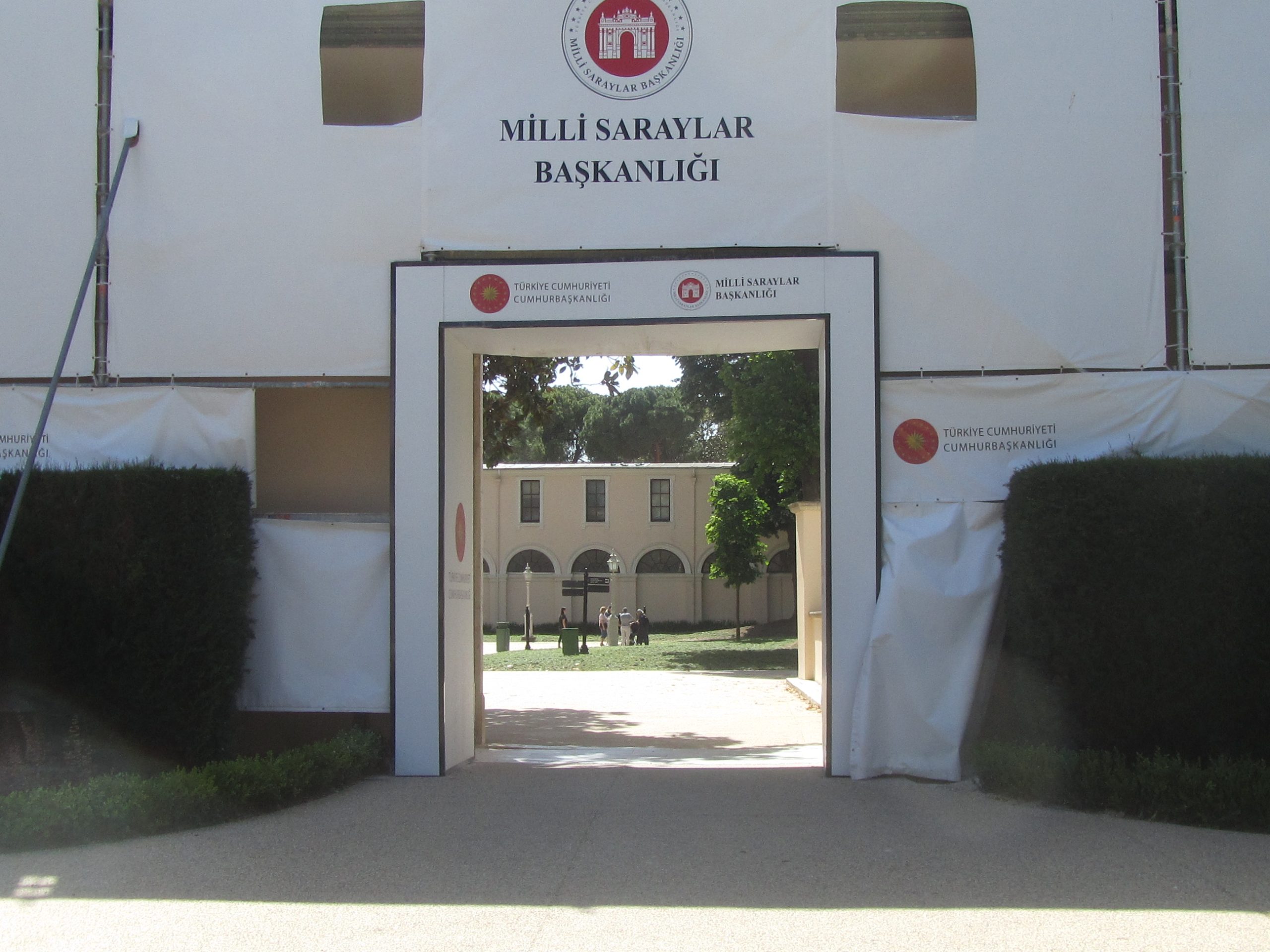
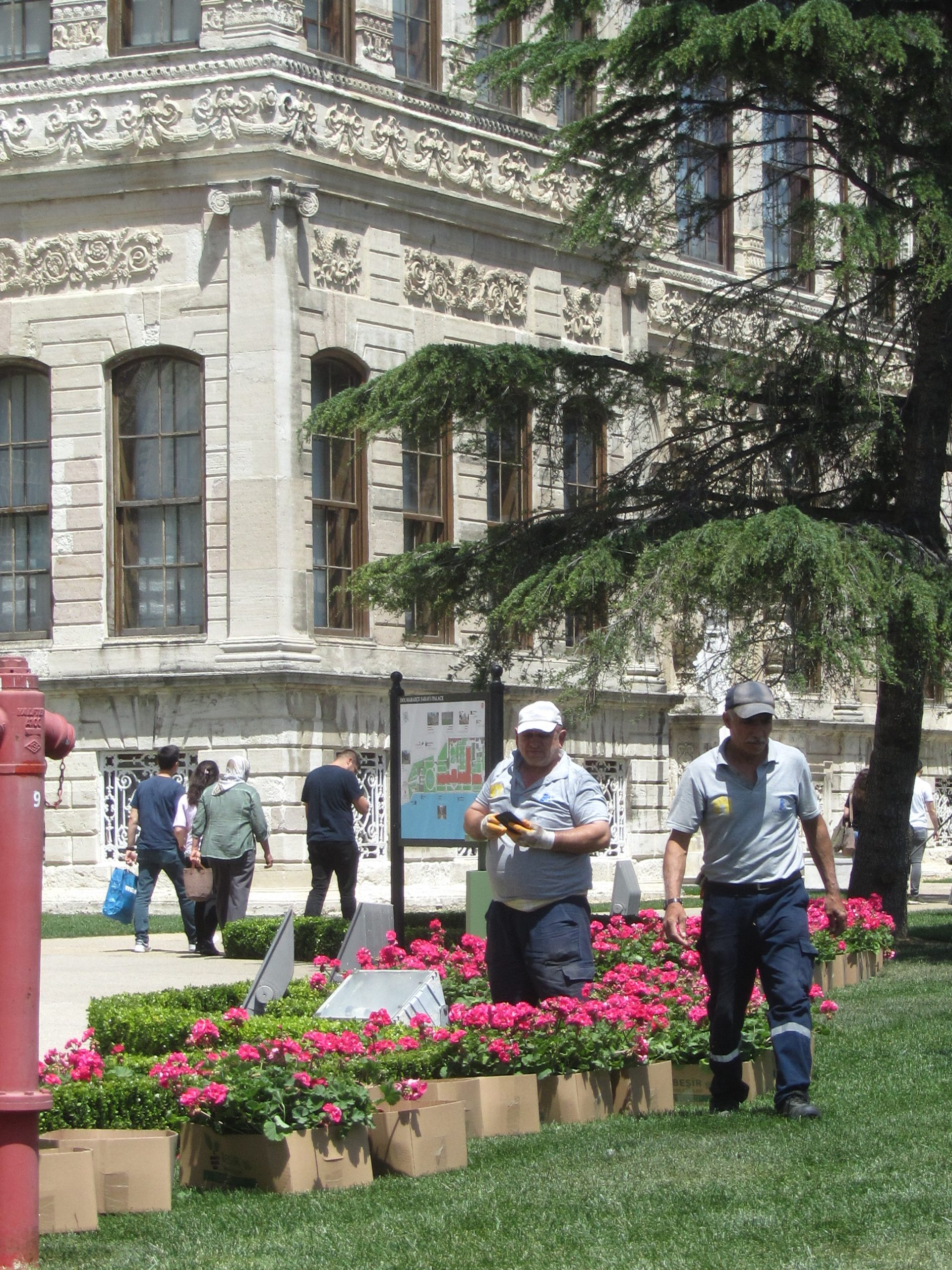
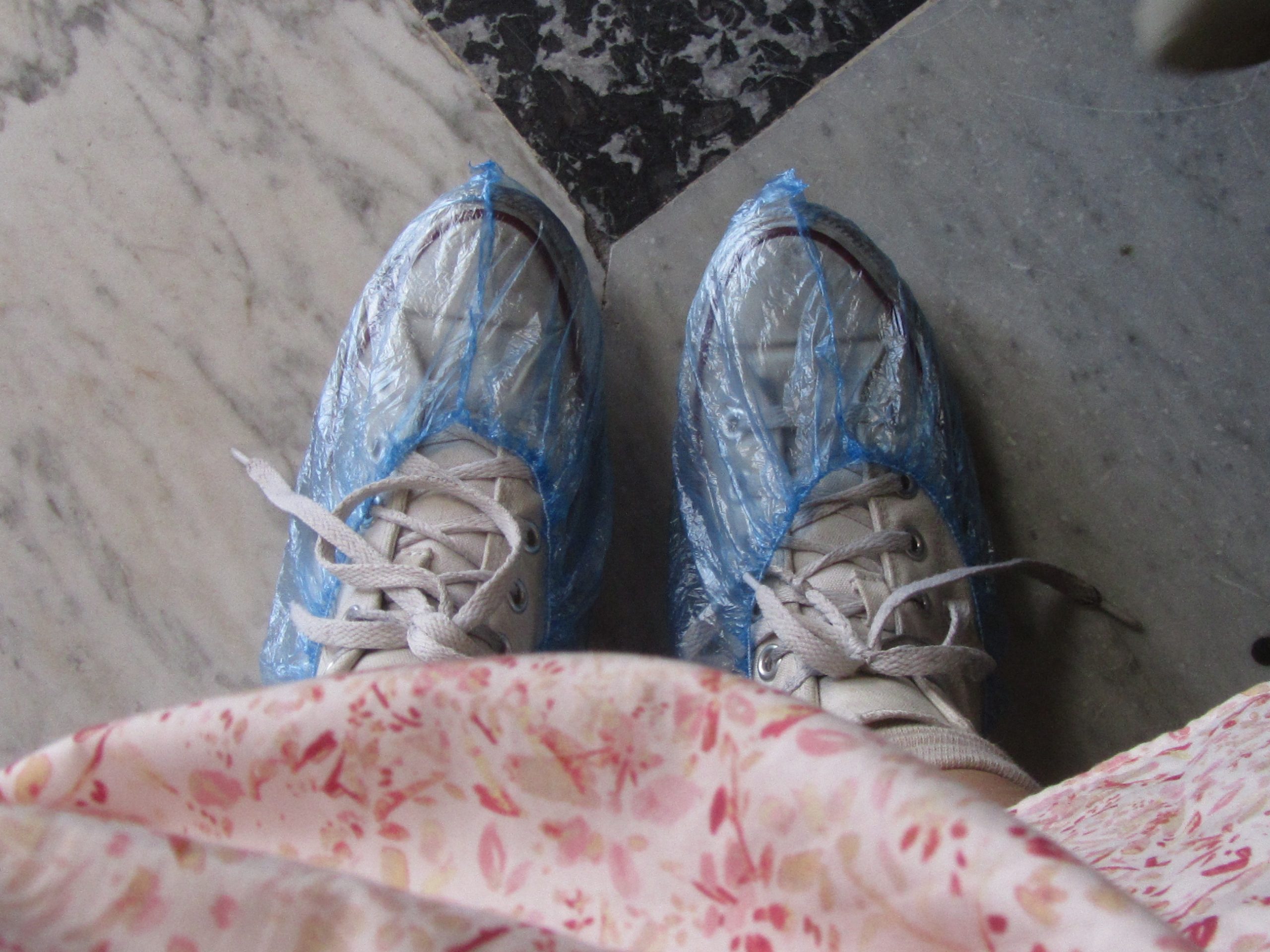
The building is so well preserved, that visitors are not allowed to walk in with their shoes. Instead, everyone walks through the Palace Halls with blue plastic shoe coverings on their feet. Here and there, a few lost blue covers lay in corners of the pathway, contrasting really well with the long red carpets the floors are covered with. The paintings of the Sistine Chapel are nothing compared to the nineteenth century paintings that cover the gold adorned walls and ceilings of Dolmabahçe Palace. In perfect condition – which is probably to thank to the no touching and no photography rule – the building screams elegance and money. Some tourists walk around with an audio tour held up to their ears, others enjoy the palace with the company of silent whispers and squeaky floorboards. No matter how well preserved, the wooden floors are a clear sign of how dated the building actually is.
However, not every building on the list has to be a big palace or a mosque. It could as well be a house a regular citizen lives in. But once your property is on that list, you’re not allowed to replace a single stone in your house without permission, says Professor Tokay. “Do you want to get a new window? You have to ask. Need a new roof because the current one is leaking? You need permission. This is the same throughout the entirety of Türkiye though, not just in Istanbul.”
But with the devil in the smallest details, the city of Istanbul and its citizens make sure to keep their rich history alive. One brick at a time.