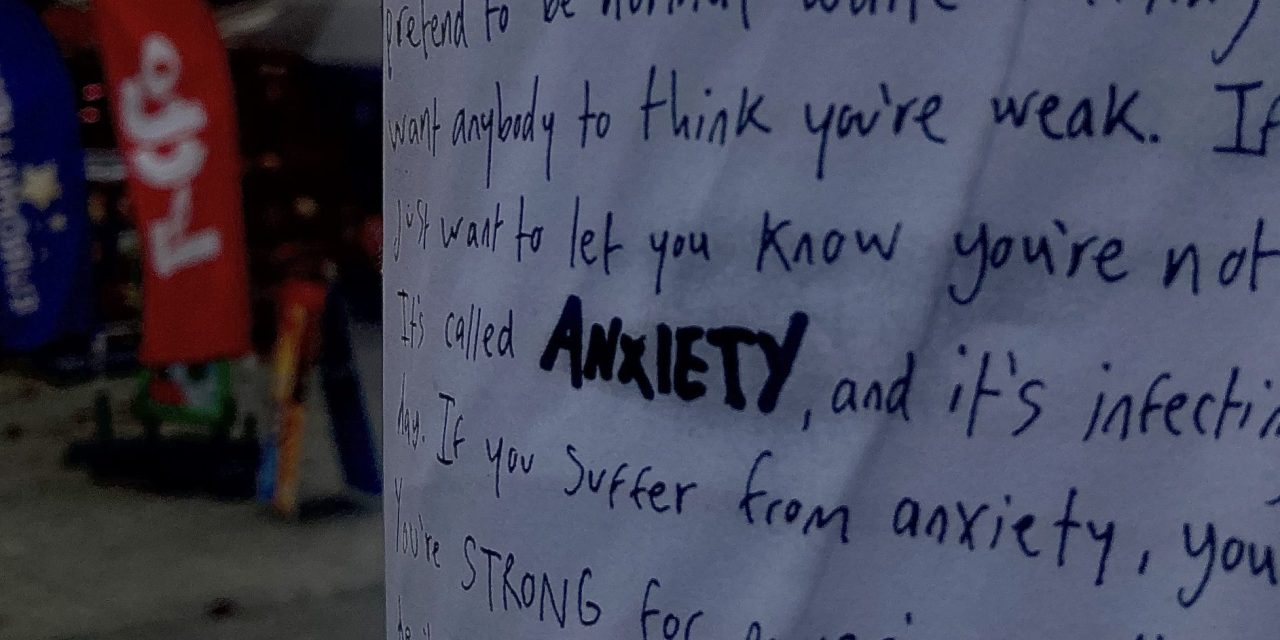
“As you become aware of the environment you will get anxious.”
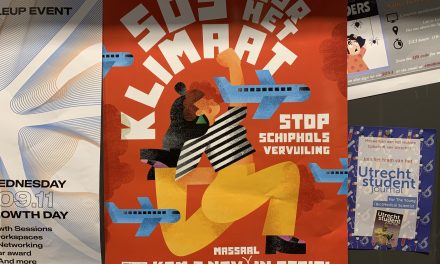
Eco-anxiety can be described as the distress caused by climate change where people are becoming anxious about their future, according to a journal published by science direct.
Focusing in on eco- anxiety and the youth of today, according to a study carried out by The Lancet, surveying 10,000 children and young people in ten countries, results showed that (59% were very or extremely worried and 84% were at least moderately worried). Over 50% reported each of the following emotions: anxious, sad, angry, powerless, helpless, and guilty. Additionally, many reported a high number of negative thoughts about climate change (e.g., 75% said that they think the future is frightening and 83% said that they think people have failed to take care of the planet)
Why are the youth of today so concerned?
Speaking to Caroline Hickman lecturer at the University of Bath in social work and climate psychology, a practicing ‘climate-aware ’psychotherapist, and a researcher focused on eco anxiety and distress about the climate and ecological crisis in children and young people globally.
Hickman explained that “People would cope with the planetary crisis with climate change if people in power were taking action.”
Adding to this Hickman expressed that “it’s simple, really. It’s actually not complicated. We’ve had the solutions for decades and we’ve known this was happening for decades. It is like a moral injury the people who are supposed to be looking after you are the very people who are hurting is the equivalent of child abuse.”
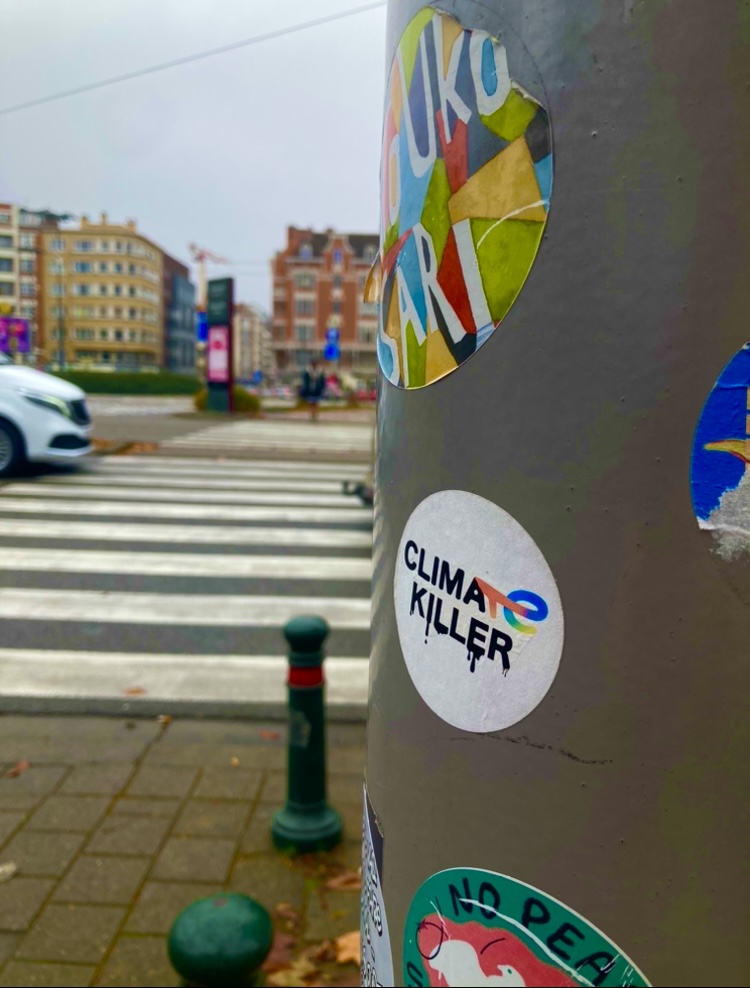
The Youth of today are putting in the work through groups such as, The Youth and Environment Europe (YEE), an independent youth centred and led organization. They are a network of youth Environmental organizations across Europe and currently have 45 members in 24 different countries.
Recently, they have published an Eco-anxiety handbook. Speaking to Hanna Træland Rostøl Membership Coordinator and Project Lead on Eco-anxiety within the YEE.
Explaining the motivation behind the handbook Rostol explained that “we really wanted to cover all the aspects of what it is [eco-anxiety], how you can cope with it, so we really hope it will be a useful resource for young people now and in the future, because we don’t think such a comprehensive overview existed at the moment.”
She added that “We don’t really know exactly what will happen. We don’t know how it will affect our loved ones and us ourselves; we don’t know how this will affect our societies as a whole.“
Battling eco- anxiety
It is indeed a daunting time to be alive concerning the fast change of our planet.
“As you become aware of the environment you will get anxious,” Hickman voiced.
When asking Caroline what would you recommend for young people to manage like their eco- anxiety, she voiced that “I don’t want them to keep it at bay, it would be a lie to them to say you shouldn’t feel anxious. You have every right to feel anxious. It’s a healthy response it shows you care.”
“You have to learn to live with it. Slightly make it your friend. Live with it. Keep it alongside you in the world. Keep an eye on it. Don’t let it get out of control and run riot and take over everything, so you learn to regulate your emotions partly you do that through self-talk walk yourself through it.”
Being Pro-active can also help with dealing with your eco-anxiety. Joining communities and organizations can help young people get involved in hands-on work to make a difference to our climate.
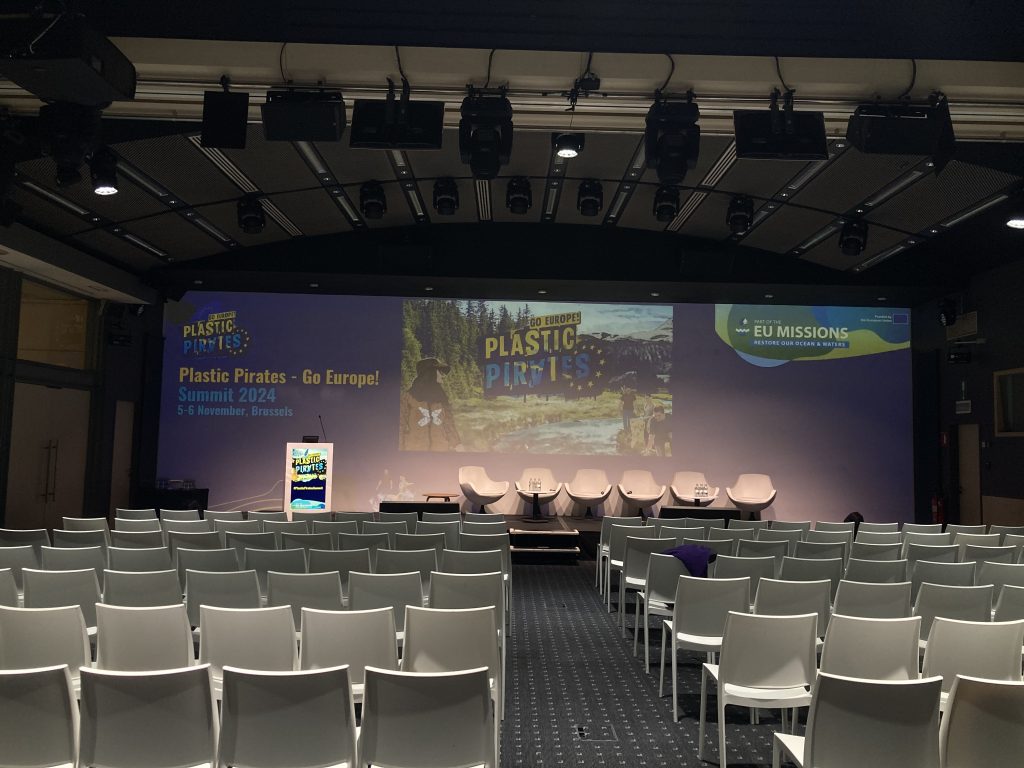
An example of an organization is the ‘Plastic Pirates- Go Europe!’ A citizen science project on plastic pollution involving students in schools all over Europe. The organization held a Summit in Brussels from the 5-6th of November sharing their results of the project.
Below is an audio piece from the day two event involving interviews with a student and teacher involved in the project.
If you are struggling with Eco-anxiety, the resources linked below may be useful for you.