Often called the „oldest profession in the world”, sex work as an organized occupation has a long history. But is this description of the term even true? Dr Elwin Hofman, historian and lecturer at the University of Utrecht, explains “this myth of the oldest profession is really just that – a myth.”
Paid sex as work first started getting recognition all the way back in the Middle Ages through the first brothels being built and the first regulations being made. Since then, the attitude towards sex work has been going back and forth “between toleration and regulation on the one hand and stigmatization and prohibition on the other, like a pendulum”, says Hofman. In 1911 the Netherlands eventually decided to fully ban brothels and pimping. “So, sex work was pushed underground for most of the twentieth century. By the late 1900s, the Netherlands once again turned towards regulation, and in 2000 the brothel ban was lifted, creating the new regulatory system that is still in place today,” Hofman explains.
-
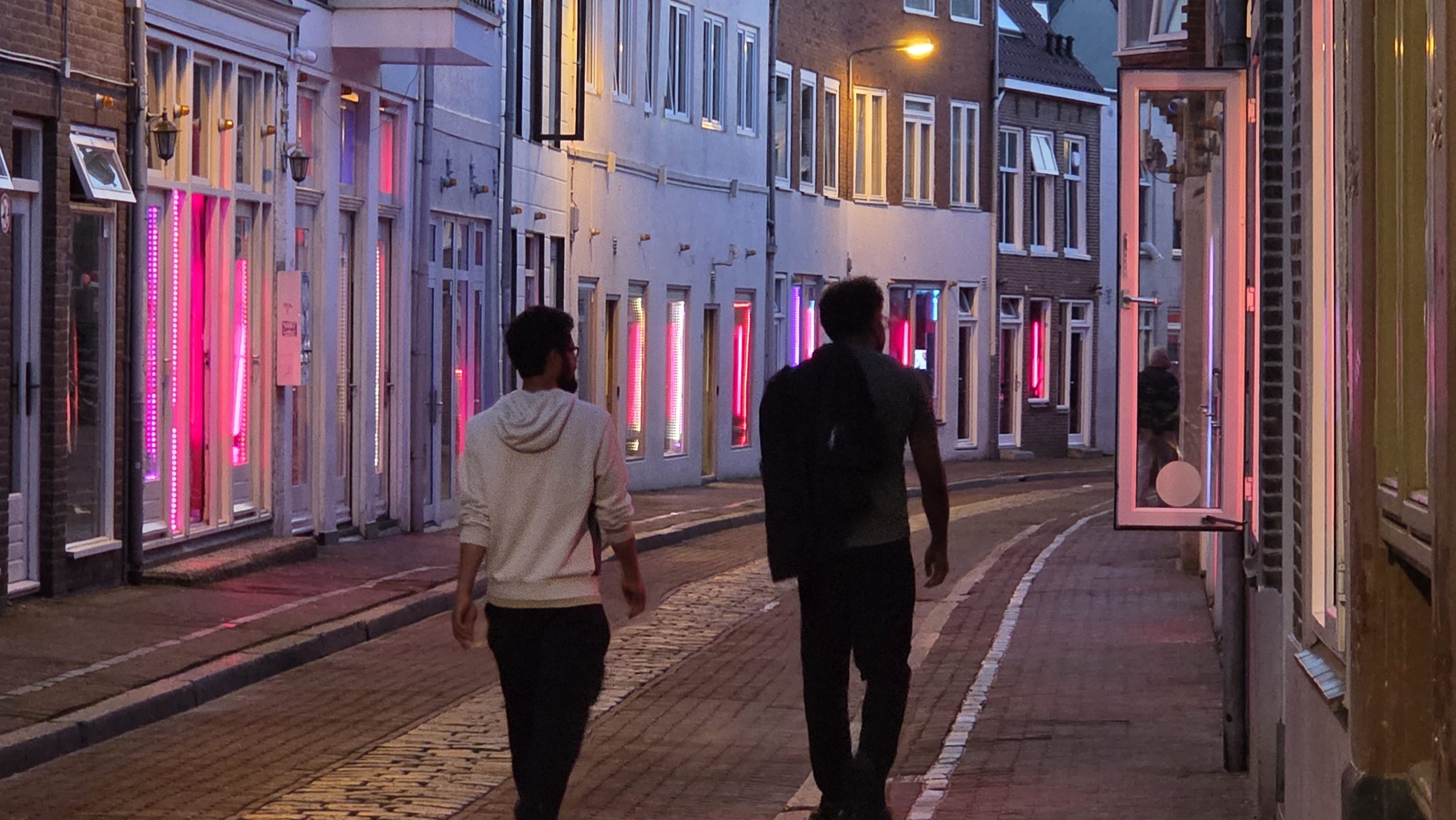
- Two passers‑by stroll through the window street of Groningen’s red‑light district. Photo: Alicia Queck
-
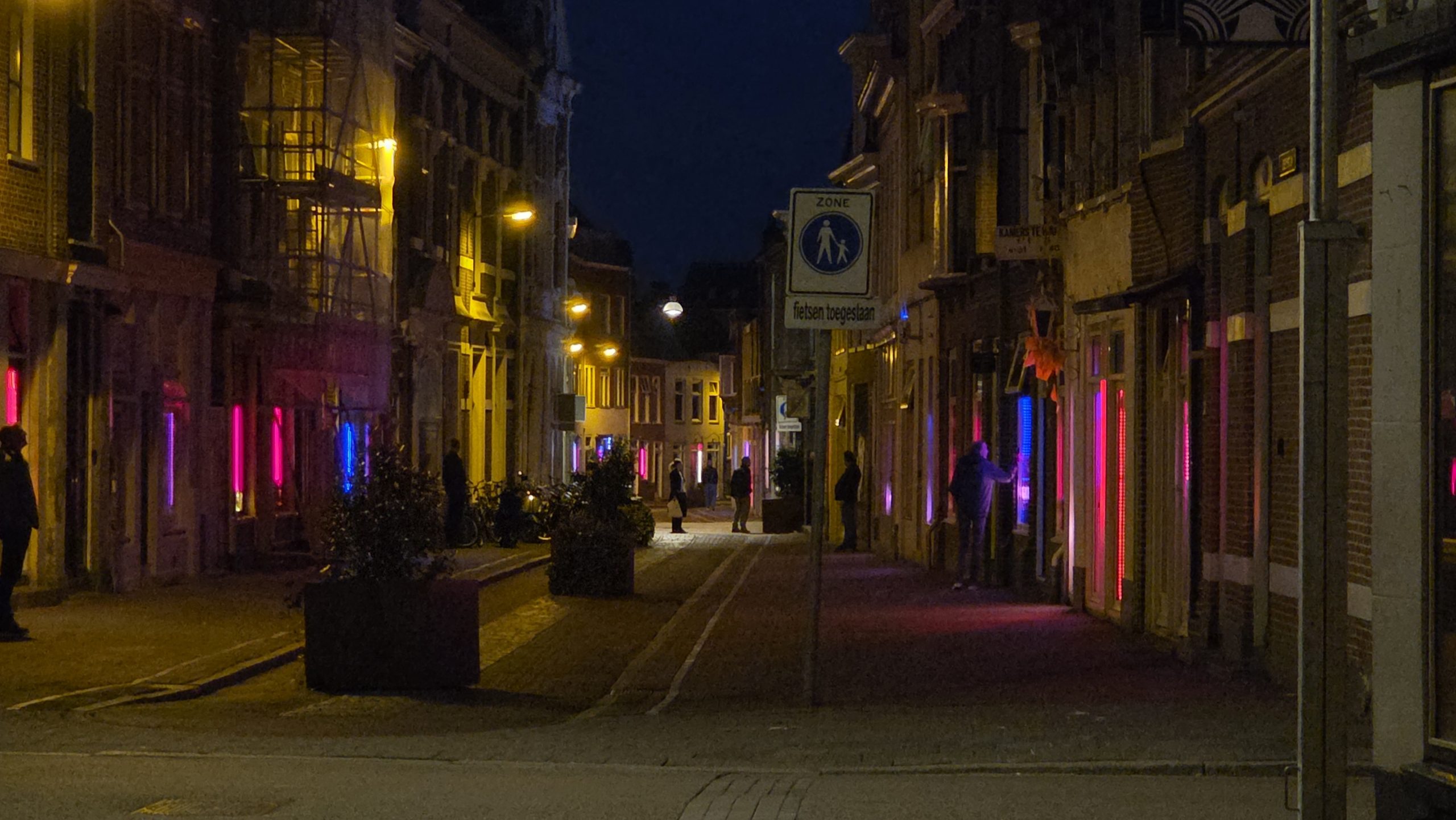
- Nieuwstad in Groningen at night: glowing windows, waiting clients and almost no cars. Photo: Alicia Queck
-
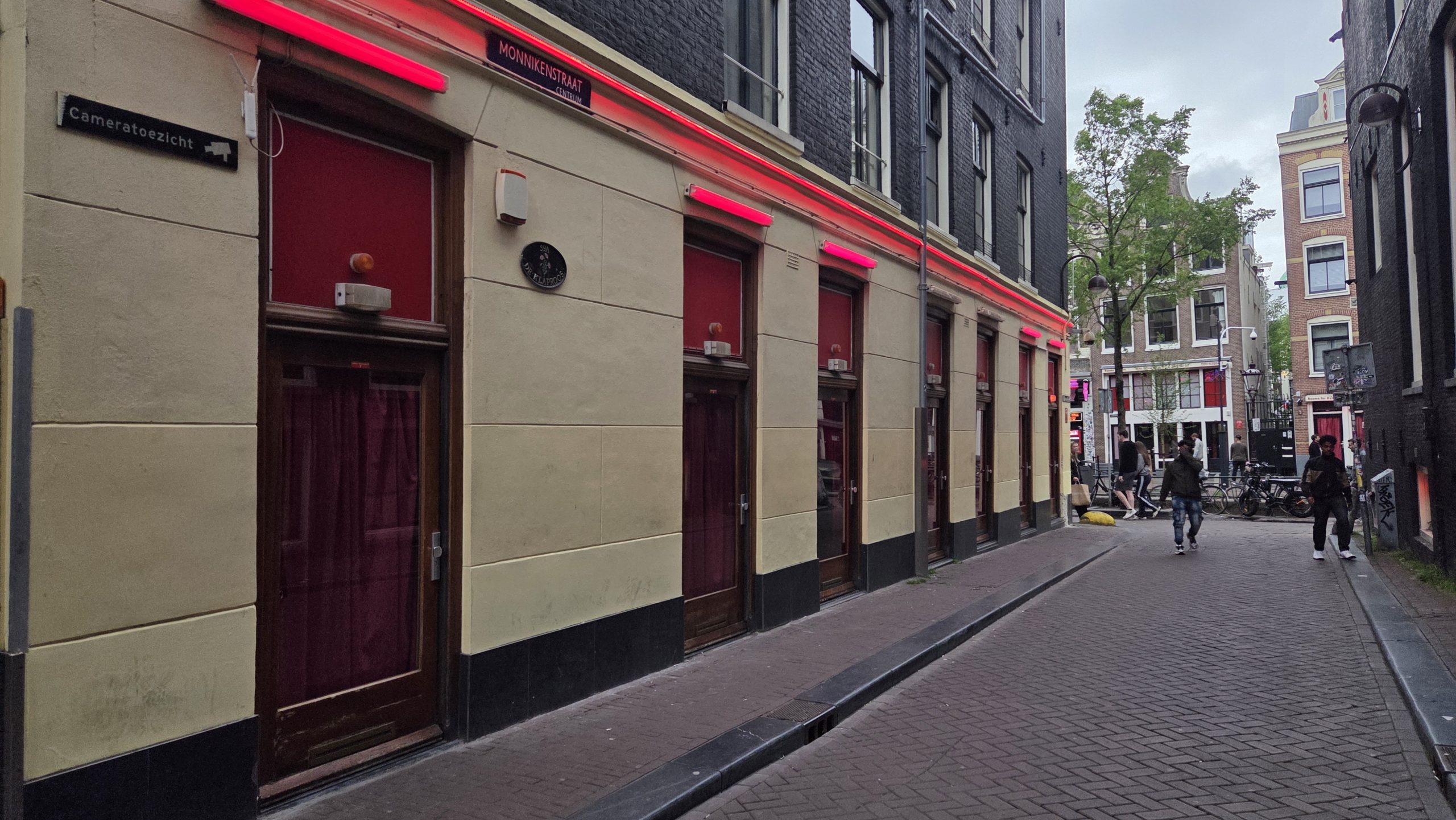
- A row of closed red‑light windows in Monnikenstraat in central Amsterdam. Photo: Alicia Queck
-
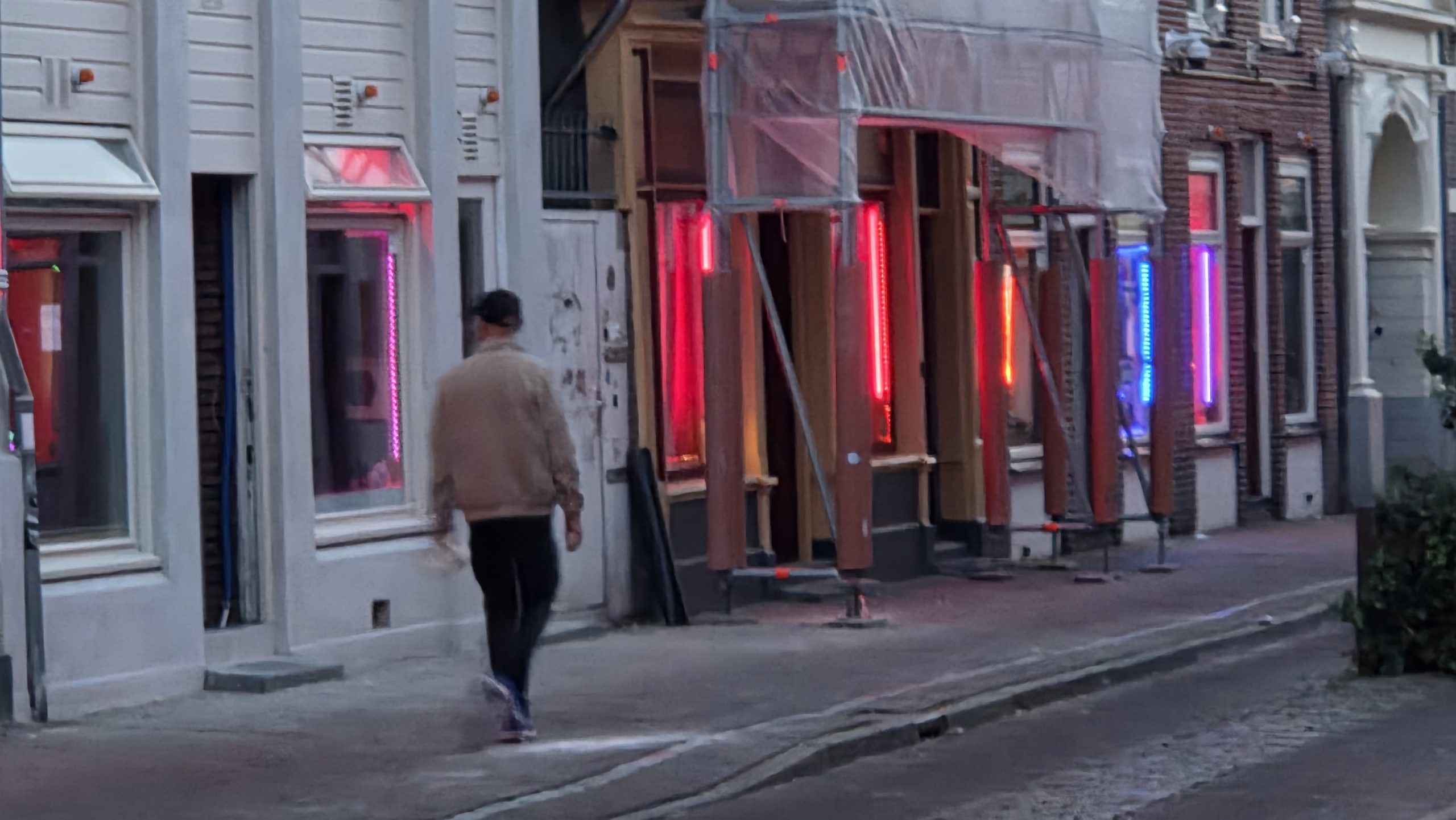
- A man walks past the red and blue‑lit windows of the Nieuwstad red‑light area in Groningen. Photo: Alicia Queck
Lisa Hoekman, a PhD researcher at the University of Groningen, looks “into sex workers’ rights and, more specifically, how measures meant to fight human trafficking affect those rights.” She works with four main forms of sex‑work regulation, “but that is already a condensed version of the nine or ten different models that exist, because there are so many variations.” It starts with “Criminalization”, which means that every aspect of sex work is illegal and forbidden. Then there’s the “Swedish” or “Nordic” model, under which it is legal to work as a sex worker, but it is illegal to purchase such services. The third model, also used in the Netherlands, is “Legalization through regulation” which is “it is legal, but there’s a lot of extra rules because it’s not seen as normal.” The rarest model, currently only implemented in Belgium and New Zealand, is the “Decriminalization”. In this model, sex work is largely treated like any other job: most aspects of selling sex are legal, sex workers fall under labour and tax law and enjoy worker rights and protections, while exploitation and child prostitution remain criminal offences.
One thing that really sticks out to Hoekman as well as Hofman, is that people in the sex industry are “being treated quite differently”, especially “in their workers’ rights”. There is always a stigma surrounding sex workers. This not only applies to not being allowed to work from home, like most people can choose to do, but also not being granted the same protection and compensation, for example during the time of the COVID pandemic. Sex workers are never part of discussions which makes them outcasts in their own rights. Hofman also points out how hard it is “to get the perspective of sex workers themselves right”, because most historical sources come from police files or other authorities, not from sex workers’ own voices. He explains that very few sex workers have left diaries or memoirs, so historians often have to “read between the lines” of these one‑sided documents. Both Elwin Hofman and Lisa Hoekman mention the importance of getting the perspectives of sex workers themselves. Instead of deciding for them, we should decide with them. Because who knows better what sex workers need than the people themselves?
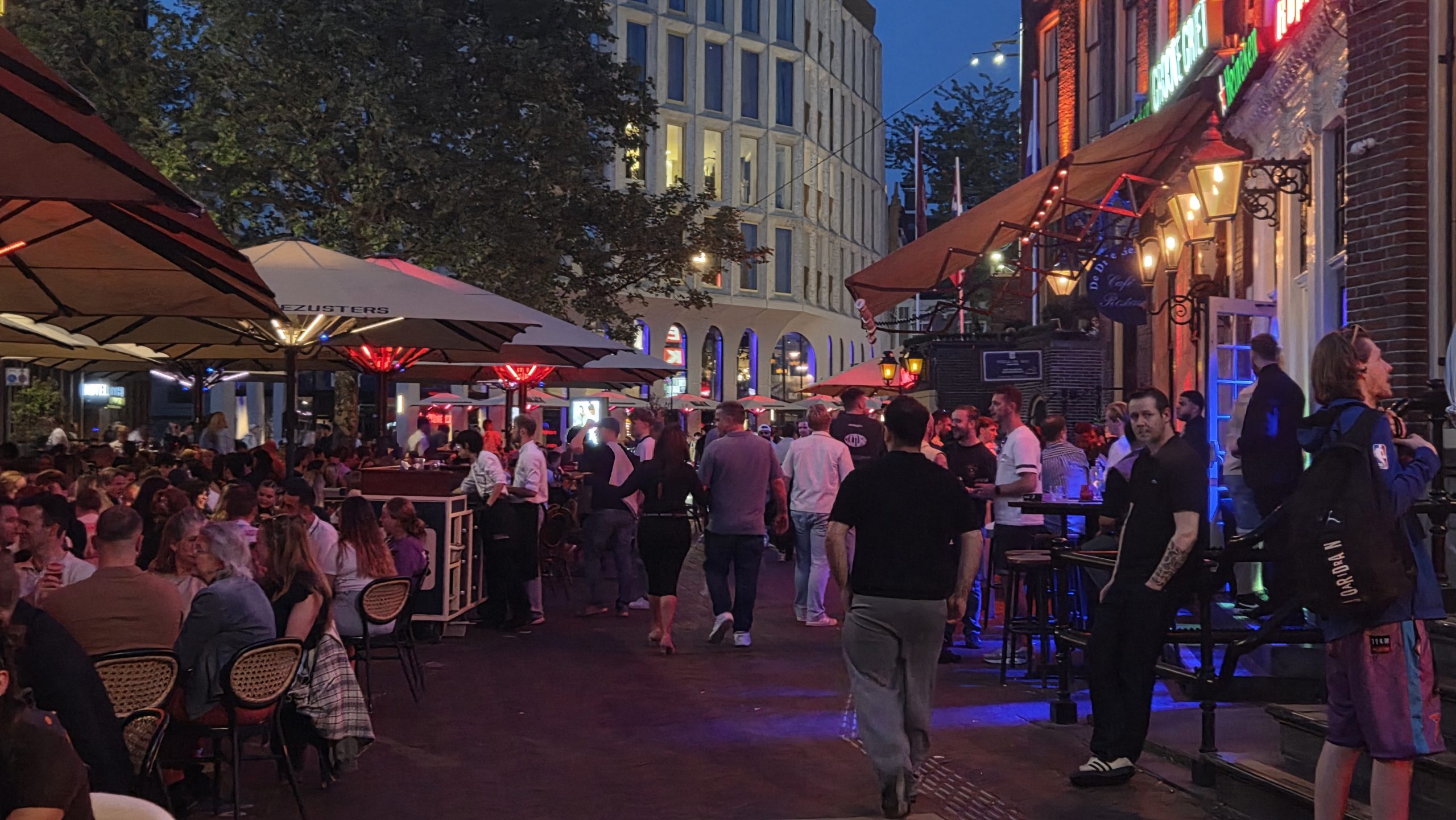
A busy outdoor bar scene in Groningen, just a few minutes from the red‑light district. Photo: Alicia Queck
To start working in the sex industry, people must tick off a long list of requirements. According to the official government page for entrepreneurs, you have to be at least 18 to become a sex worker and in some municipalities the minimum age is even 21. On top of that, you need a valid residence permit, a registered address, a citizen service number (BSN), and you have to register as self‑employed and pay taxes like any other freelancer. Hoekman has been looking at exactly these kinds of rules and describes them as a tight web of permits, age limits and registration duties that are officially meant to fight trafficking, but in practice set sex work apart from other freelance jobs.
In the Netherlands there are several organizations that offer support to people in sex work or want to educate about the topic. From national platforms and public museums to local initiatives such as Terwille in Groningen, which combines social work, addiction care and outreach in red‑light areas. Some provide practical information on permits and taxes, others focus on health, safety or exit programmes. For this story, however, several organizations either did not have time to speak or only wanted to share information in exchange for payment.
-
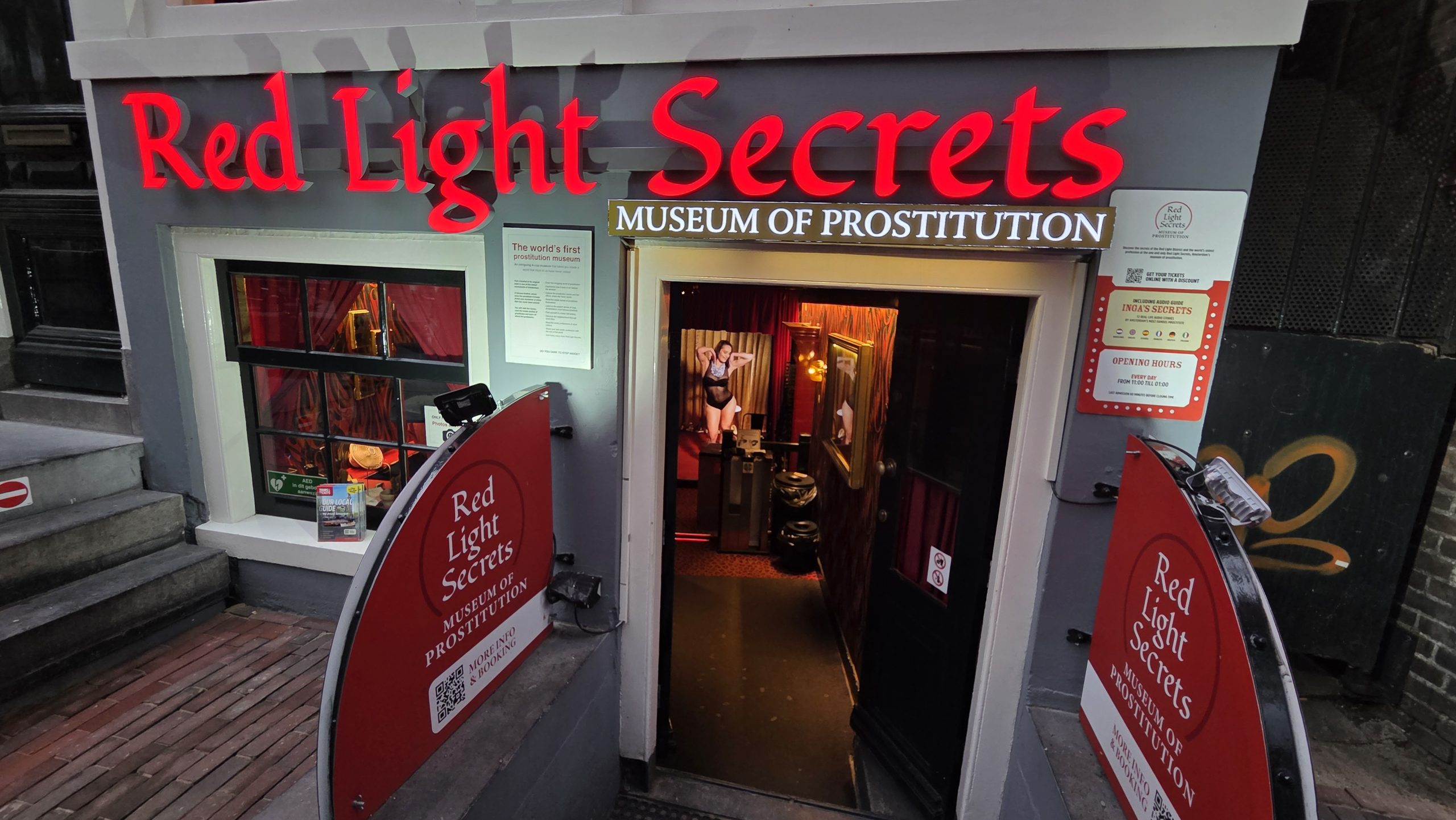
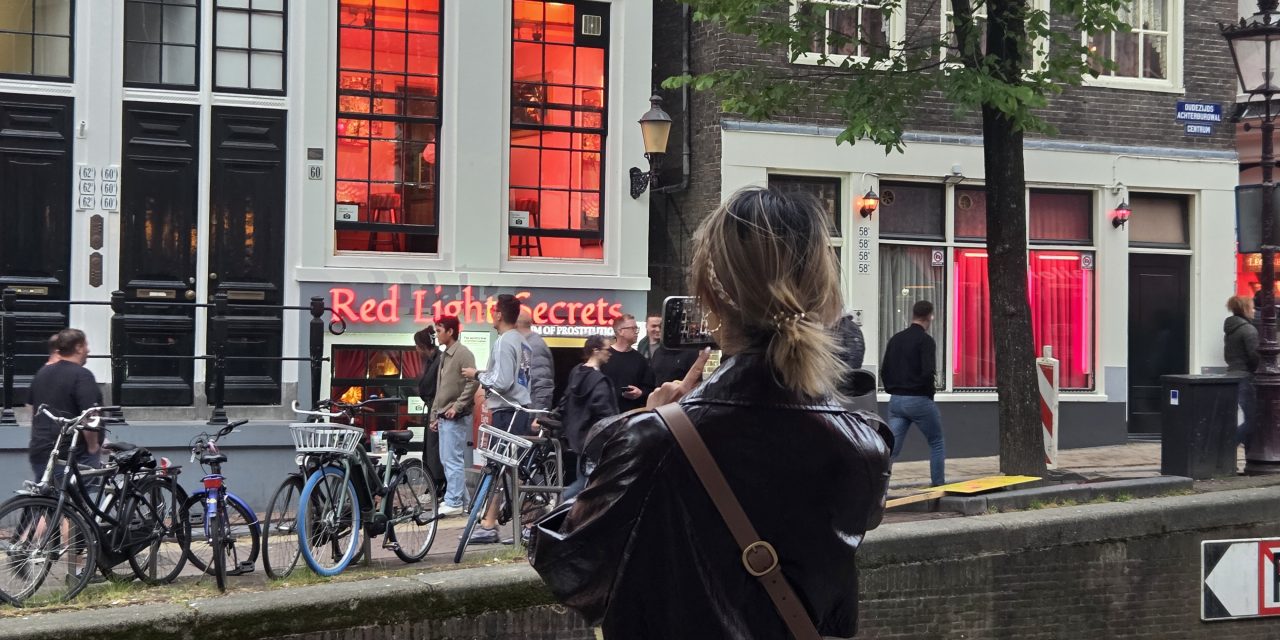
- Entrance to “Red Light Secrets – Museum of Prostitution” in the heart of Amsterdam’s red‑light district. Photo: Alicia Queck
-
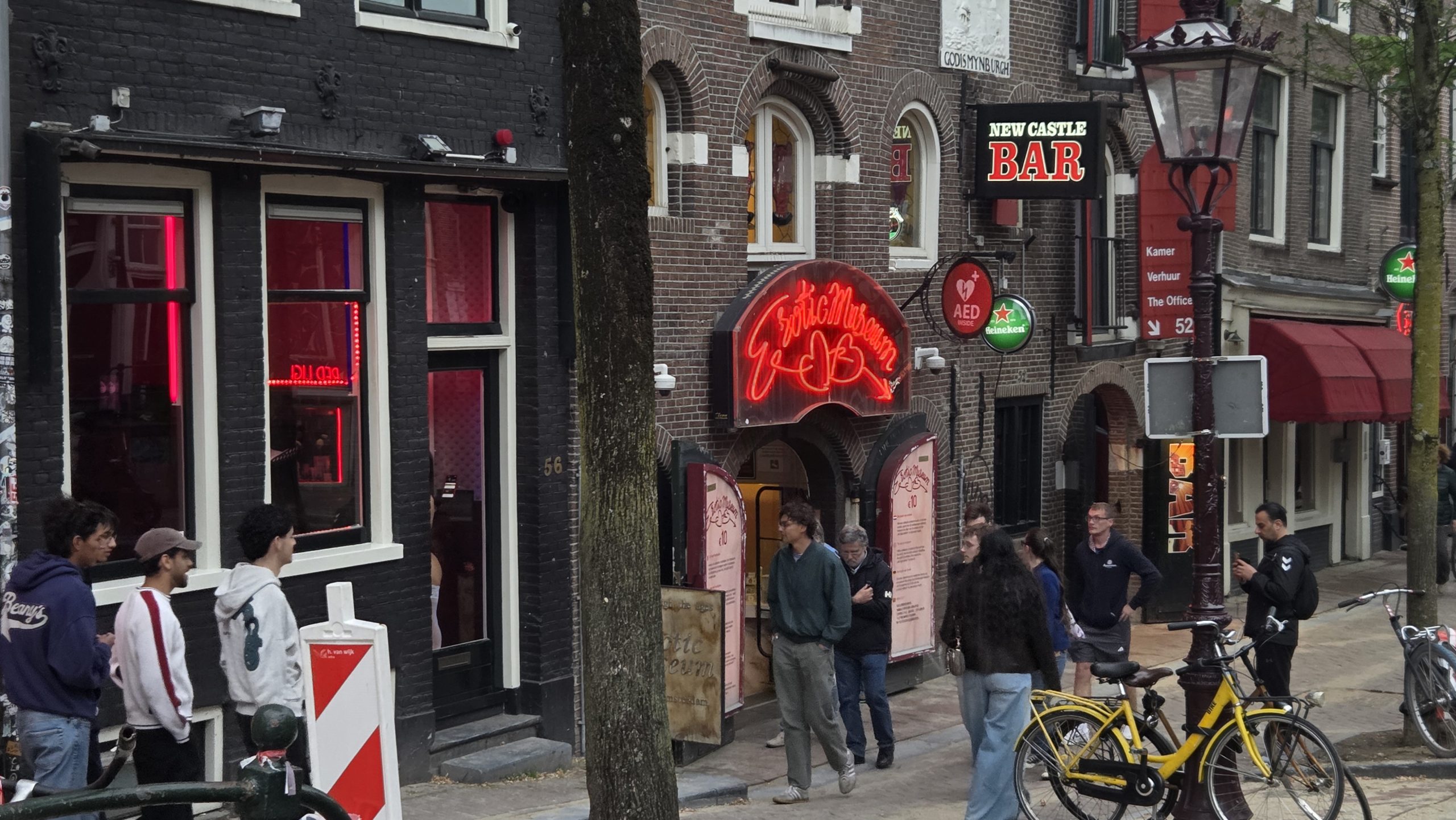
- Visitors queue outside the Erotic Museum in Amsterdam, surrounded by bars and red‑lit windows. Photo: Alicia Queck

A sex worker poses in the doorway of her window in Groningen’s red‑light district. Photo: Alicia Queck
Policy debates usually focus on sex workers, city centers and public order. But who are the ones that pay people for sex? In Groningen, 38‑year‑old Matthijs Krul has been seeing sex workers at home through a specialized service for people with mental‑health issues or disabilities. For him, these visits are closely linked to loneliness and a long struggle with depression. “I was always quite liberal when it comes to sex workers,” he says, “even before I started seeing them. It’s a job. And I don’t judge them, because there is usually a reason why they do it.”
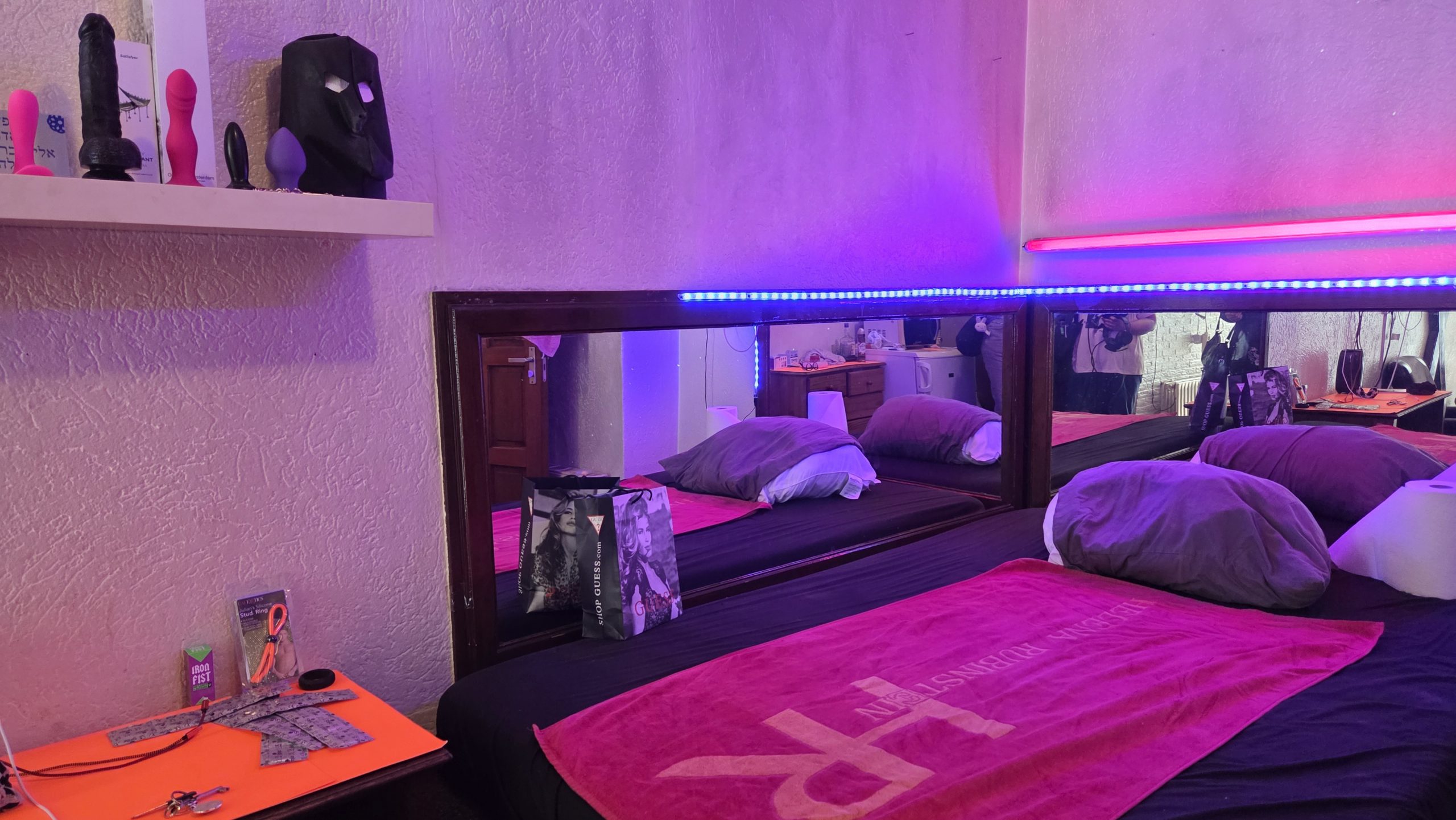
Inside a working room in the red‑light district: bed, mirror wall and shelves with sex toys. Photo: Alicia Queck
Over time, his view of what sex workers do has shifted. “I would categorize it more as a care worker who also offers sex,” he explains. The women who visit him are mostly in their thirties and forties, and for him, “it’s more their job than becoming a girlfriend or anything like that.” When he reads about plans to close or move red‑light districts, he mainly worries about safety. “I think it’s important to regulate it, because it’s a business,” he says.
“I would much rather have it in the city center, where the police are close by … It is more about protecting the women than about making it easy for clients.” – Matthijs Krul
In the end, these rules and debates only make sense if we keep listening to the people who live with them every day – especially sex workers themselves.
You can hear more of the story of Nathalie de Sain, who has worked in the sex industry for almost 9 years, in the audio below.