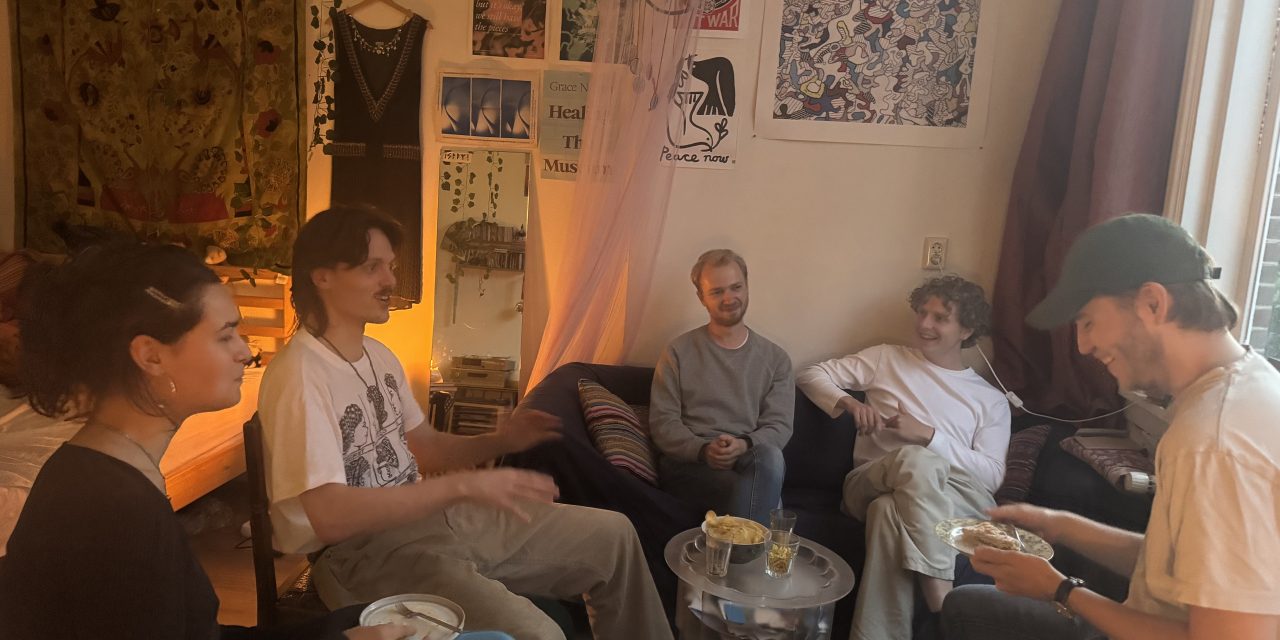
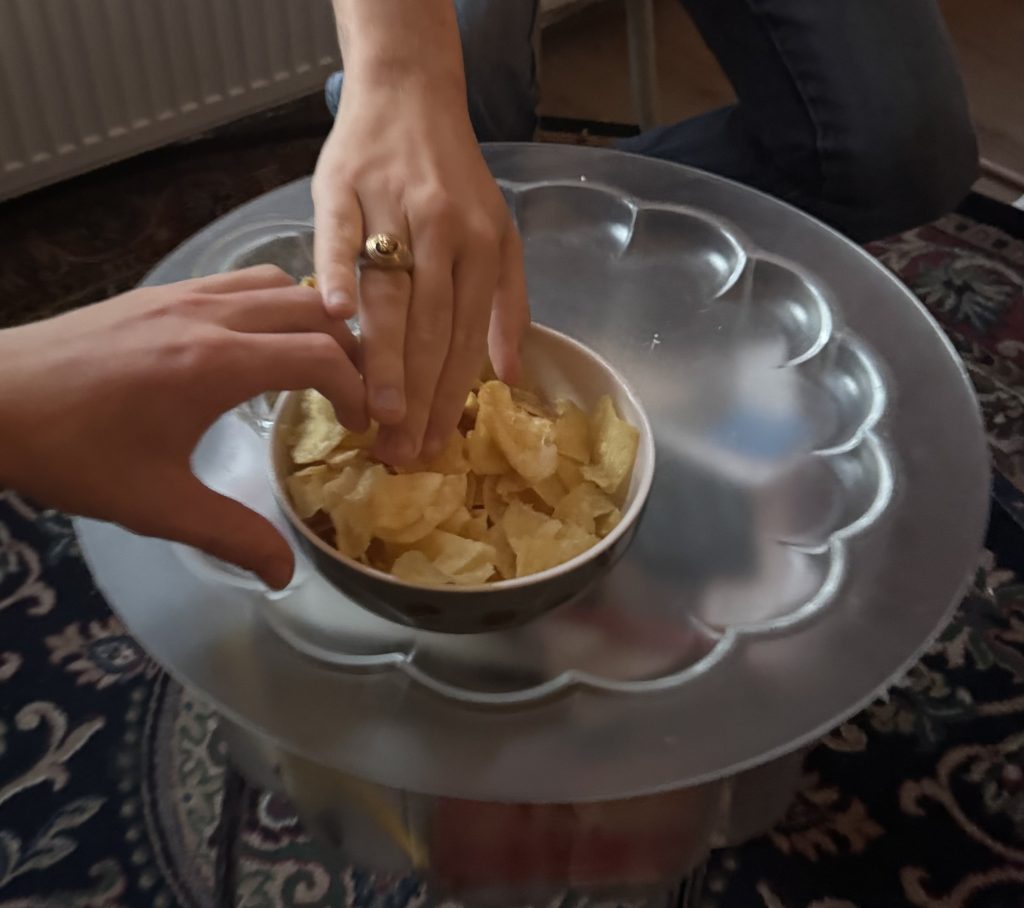
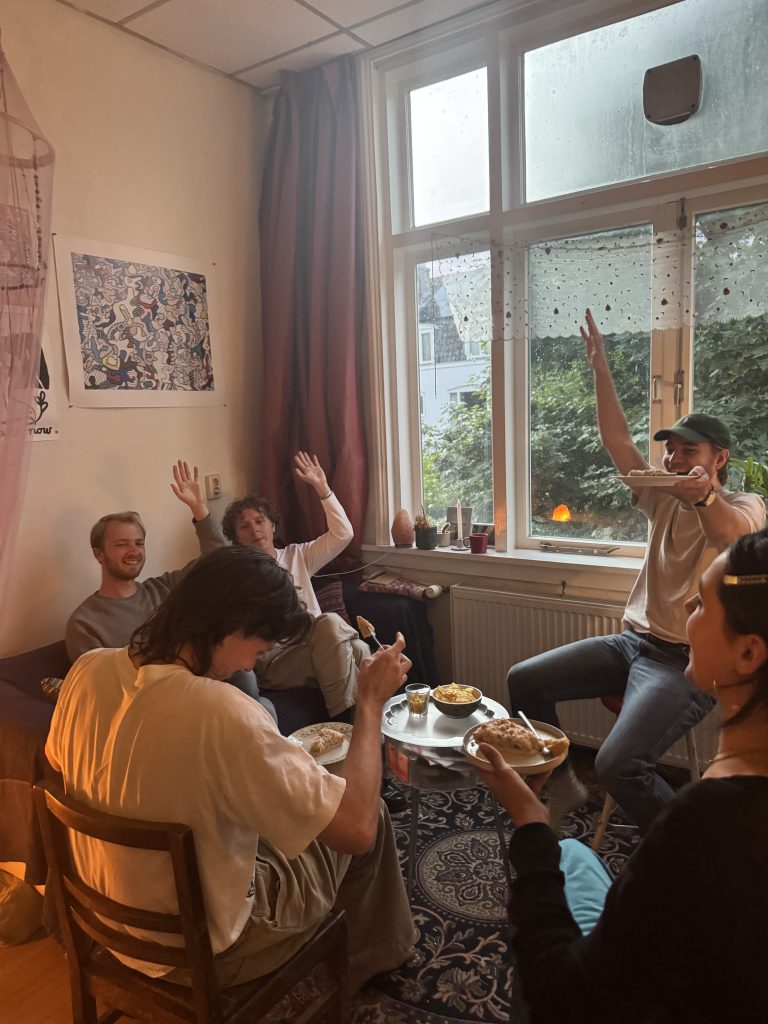
A circle of chairs fills the living room. Guests try to balance a carton plate with a single slice of pie on their laps while conversation runs polite. A bowl of chips and a tray of cubed cheese and cold meats sit untouched, for now, on a small table in the middle. For the Dutch, this is a familiar birthday scene. For other Europeans, it can feel like a complete culture shock.
According to Saskia Maarse, intercultural speaker and researcher of Dutch culture and its interpretation by other cultures, we must go back a few centuries to understand why the Dutch celebrate birthdays by sitting in a circle: “When our country faced floods, we had to learn to work together. Our solution was to sit around tables and have long discussions. Everyone was included to share their thoughts and seen as equals. This setting has lived on through our culture and into birthday celebrations, for example”. This Dutch political tradition of poldering therefore shaped the Dutch birthday, and has received the fitting name the ‘kringverjaardag’, loosely translated to the ‘circle birthday’.
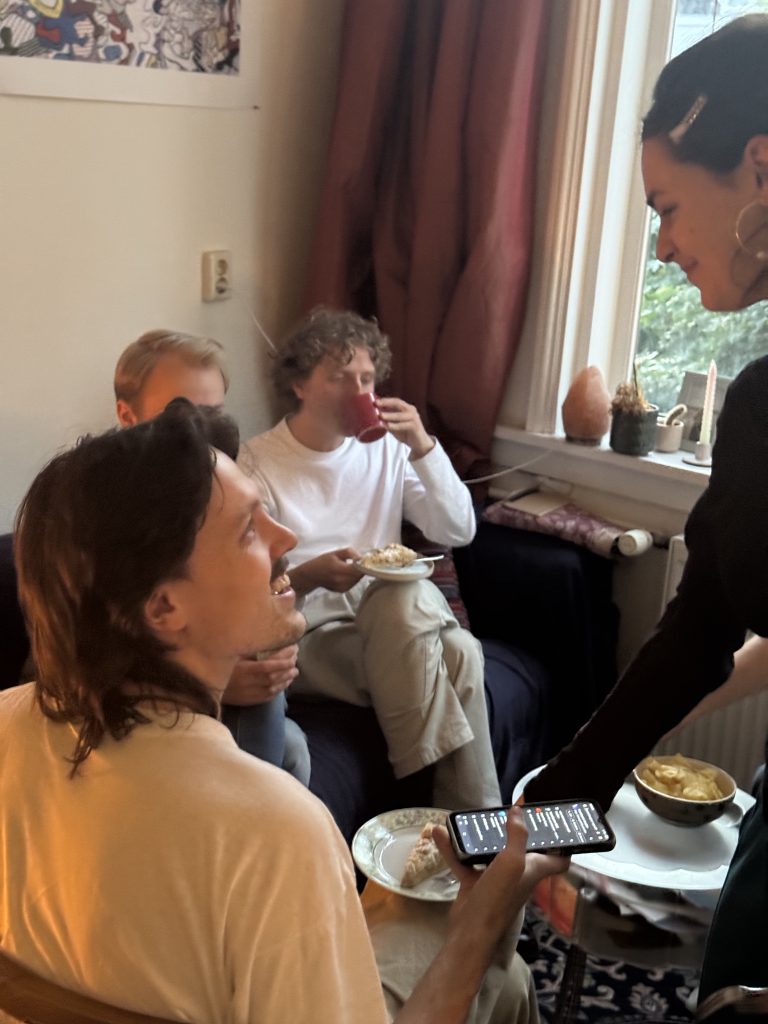
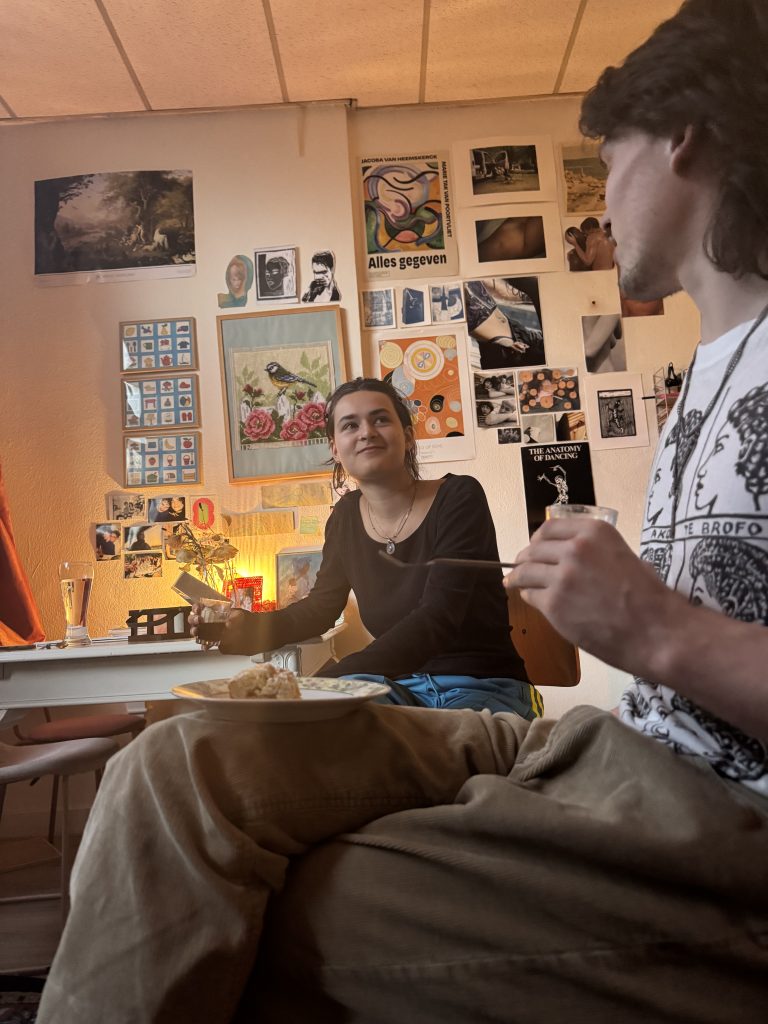
The ‘kringverjaardag’ is unique in European culture. “Mostly, European countries celebrate their birthdays in restaurants, like Italians. The Belgians and the French enjoy that too, as well as intimate celebrations in small groups, but not always at home.”, Maarse explains.
It is also Dutch tradition to congratulate not only the birthday boy or girl, but everybody present. Something that is uncommon in most European countries. “As far as I know, the Netherlands is the only country that does this. And this can also be traced back to our egalitarian system”, according to Maarse.
A very important topic when it comes to celebration, is eating together. Maarse: “When people come to a Dutch birthday, in general they are surprised by a lack of food. For them eating and dancing together is also a part of building relationships. That is not a necessity in Dutch culture, a cup of coffee and a slice of cake would suffice”.
But times are changing, and with more influences from other cultures, our birthdays are changing too. Maarse: “The circle is still there, but there are of course always generational differences. I also believe that there are more different cultures involved in the big cities”. Recent research done in 2024 by Dutch e-commerce company specialised in online greeting cards and personal presents, Greetz, shows that forty one percent of the Dutch still very much enjoy the ‘kringverjaardag’. Thirty one percent of the respondents, however, do not enjoy it at all. “There are a lot of people that don’t like the circle, because from the moment you sit down, you’re stuck. You must make the right decision when sitting down”, according to Maarse. There is a strategy to it. According to the research done by Greetz, fifty-eight percent of the respondents decide to sit next to somebody they know well. Seventeen percent decides to sit on the next available chair, and only eight percent actively chooses to sit next to somebody they don’t know very well.
So, the Dutch “kringverjaardag” has quite a set of cultural traditions. But what can a first time visitor use as tips to navigate the unwritten rules? Maarse: “First of all, be prepared it might be very different from your own ways of celebration. Second, try to find a good spot in the circle, but also move around a bit. Lastly, be open to experience things that might seem crazy or different to you”.
Circle birthday survival list:
- Eat a meal beforehand
- When arriving, shake everybody’s hand and congratulate them too
- Find a strategic place to sit
- Politely leave the last “bitterbal” in the bowl and do not opt to eat it
In the end, surviving a ‘kringverjaardag’ simply comes down to embracing the awkward small talk, and finding the right chair.