Based on the amount of fluorescent ski suits and jägerbombs, Snowball Festival looks like a big après-ski party. However, the loud techno music blasting through the speakers betrays that we’re still in the Netherlands, without any mountains in sight. Snowball Festival in Utrecht was one of the few outdoor festivals taking place in the winter, but this year marked the final edition. Stricter regulations are making it difficult to find and maintain locations for outdoor festivals. Has its large festival industry outgrown the small country?
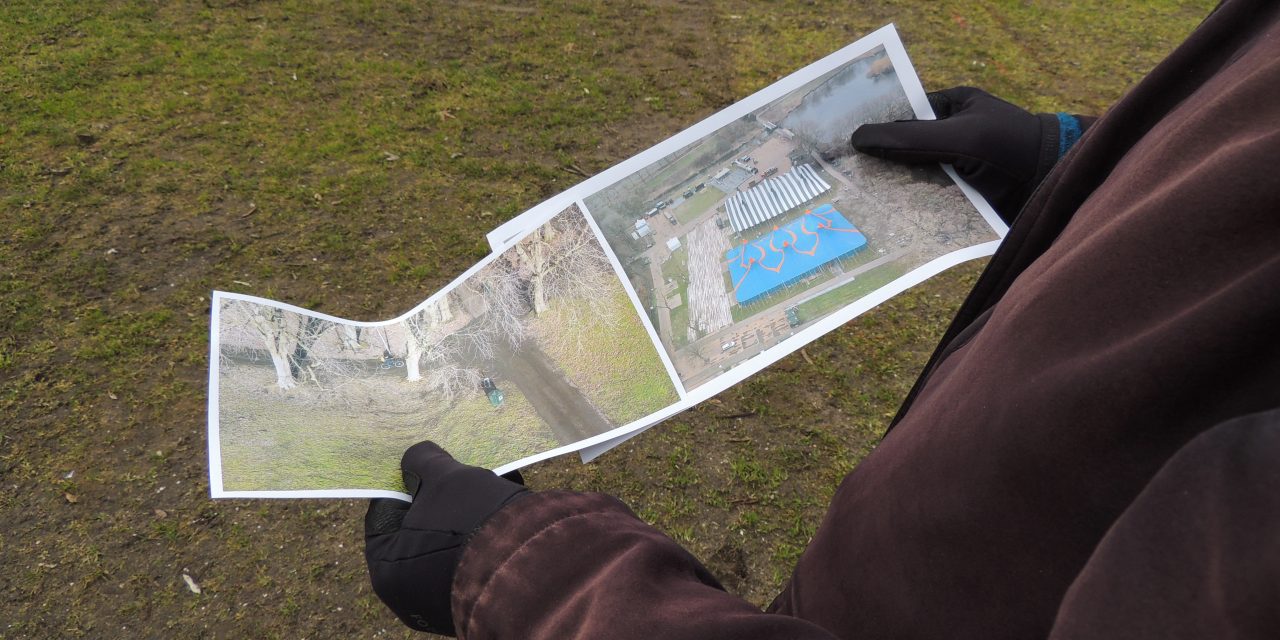
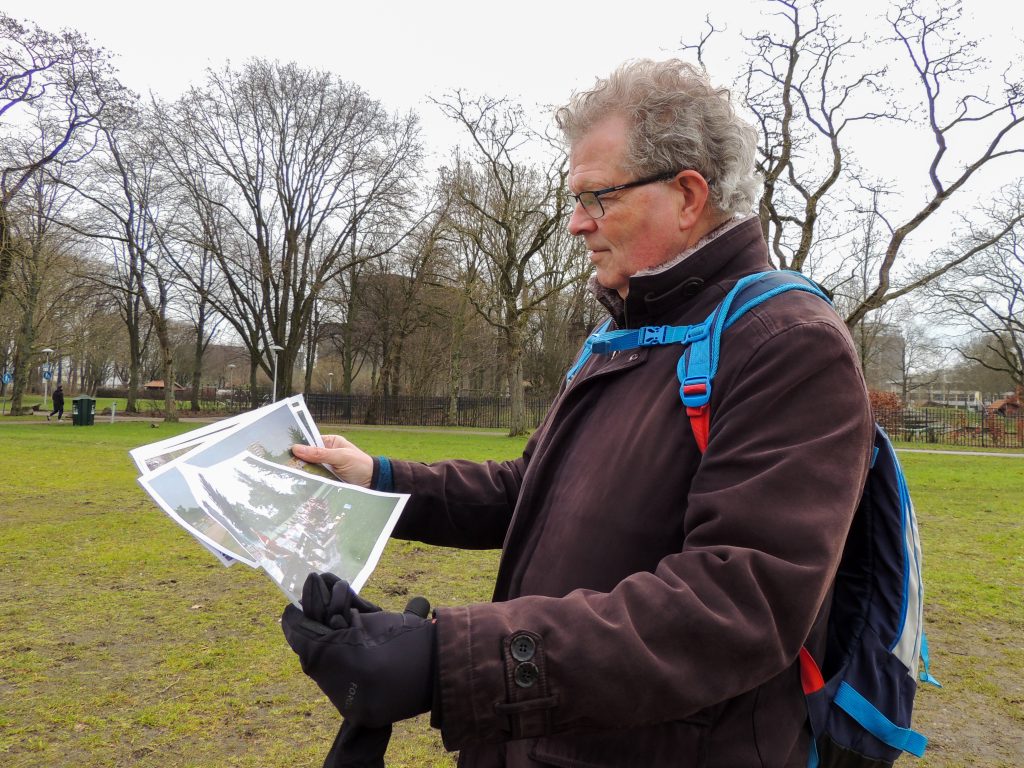
The municipality of Utrecht implemented a winter stop for all outdoor event sites, to allow the ground to recover. This includes park Transwijk, where Snowball Festival was held. For some people this is a pity, but not for Wim Wiss, founder of the Friends of park Transwijk foundation. He has been advocating to reduce both the number and size of events in the park for over two years. According to Wiss, the impact of a festival on local residents goes far beyond a few days of loud noise.
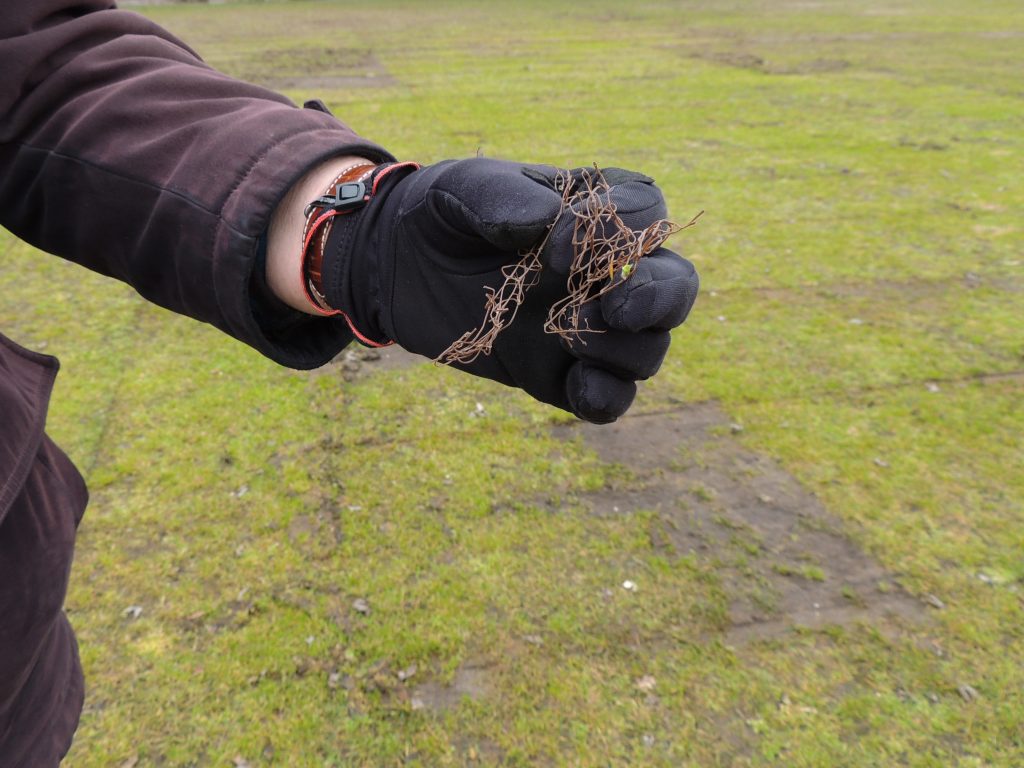
The park is closed off during the festivals and the construction, Wiss explains. This can take up to two or three weeks, during which local residents can’t make use of the public green space. “You could say that there are only a few hundred people that experience inconvenience, compared to the 20.000 that enjoy the festival”, he says. “But those 20.000 people come here for one day, and the local residents experience inconvenience all year round.”
Suitable locations
Willem Westermann works at the knowledge centre of the Dutch Association of Event Makers. He’s noticed that municipalities are paying more attention to where and when events are organized since the implementation of a Dutch environmental law. “That’s not just negative,” he says. “They’re looking at what makes sense for the city.” According to Westermann, this ensures that these events can be held in a suitable location and manner. “And there will be more opportunities to make multi-year agreements and keep the environment suitable, so the event can continue.”
What makes a location suitable is a complicated discussion. According to Wiss, more public green space is desperately needed in the neighbourhood where the park is located (Southwest). A resident survey by the municipality of Utrecht shows that more local residents share this opinion. Only 53% of Southwest residents are satisfied with the amount of green space. This is the lowest percentage of all neighbourhoods in Utrecht. For comparison, the neighbourhood that ranks highest is Overvecht with 78%. Satisfaction about parks is also lowest in Southwest, at 58%.
Wiss would therefore like to see park Transwijk become a space for the neighbourhood again, instead of attracting big crowds. But as long as the field stays reserved for large festivals, he doesn’t see any trees, shade spots, or picnic tables being added.
More housing
Park Transwijk isn’t the only place where this discussion is occurring. In Rotterdam residents are pleading to stop organising festivals in the Roel Langerakpark, because they can’t take the nuisance anymore. The court recently reprimanded the municipality of Hilvarenbeek for its inadequate investigation into noise pollution from the Decibel festival. Residents have been complaining about the nuisance for years.
“Of course, more and more construction is happening,” Westermann explains. “In places where housing is being built, you often see that events that were located nearby are finding it more difficult to continue or have to be moved. Where there are more residential areas, more people can have complaints.”
Despite the difficulties, Westermann doesn’t think there’s no more room for large events. “I think there’s just enough space, and we need to cherish and safeguard it. Cherishing means ensuring we do things right on our end, but also that we receive appreciation for continuing to do so. Safeguarding means we also need to consider the long-term perspective to ensure we’re not getting driven away everywhere.”