By Force or By Care?
An Amanat (entrusted heritage) may be qeemti (precious) to the world, but without zorg (care/preservation), it could never voortbestaan (endure).
The ability to preserve the past is unevenly distributed. Some monuments inherit marble. Others inherit maintenance.
.jpg)
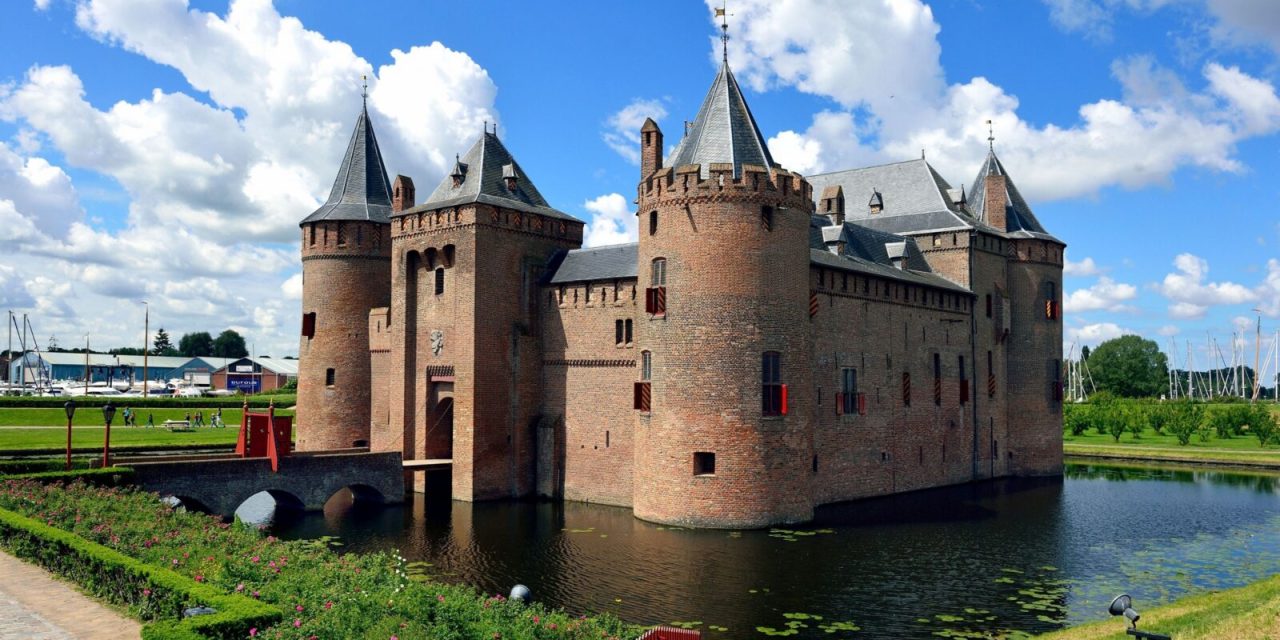
Muiderslot Castle, Netherlands; photographed by Kenneth Stamp
Muiderslot Castle rises from its moat in enduring preservation. Intact brickwork, secure drawbridge and deliberate greenery; everything suggests, zorg, as the Dutch call it. “For the Dutch, safeguarding what we inherit from the past for our future is tradition,” explains an Architectural History Adviser at the Cultural Heritage Agency.
Among Europe’s most structured monument-protection regimes, the Cultural Heritage Agency secures legal protection, sustained funding and environmental oversight for Dutch Heritage. “From aligning policies with vision to calculating the capital each monument requires, we assess risks, deepen knowledge and monitor owners to keep heritage intact.”
However, Dutch preservation wasn’t always this structured. “With cities falling apart, houses demolishing, city centres declining and unlisted monuments in the 1970s-80s, serious investment was needed to protect our history. Organisations emerged to rebuild cities while safeguarding heritage. Some local communities resisted change, wanting history preserved untouched. We reminded them, every euro invested in heritage returns. Today most sites stand maintained – freshly painted, free of graffiti and damage.”
Beyond maintenance, the Netherlands’ low-lying landscape and volatile weather demand constant adaptation to protect heritage sites, like Muiderslot. “Evidence of climate impact on monuments has been building for decades. Years ago we were far less aware; today specialists focus on these risks. We’ve shifted from preservation to adaptation, embracing climate-smart solutions, so residents can continue living there – replacing ancient windows with climate-proof glass, reshaping landscapes to buffer water, installing heating systems and shielding interiors from stronger sun.”
Preservation isn’t just seasonal enthusiasm; it’s bureaucratic routine.
.jpeg)
Taj Mahal, India; photographed by Mohandoss Sampath
Conversely, the Taj Mahal, a 17th-century imperial mausoleum, attracts over 6 million visitors annually, nearly 20 times the footfall of Muiderslot. A UNESCO World Heritage Site, incessantly romanticised and symbolically “owned” by the world, yet its maintenance remains largely a national responsibility.
Its pure white marble has endured decades of pollution, river depletion and acid deposition. Despite the Archaeological Survey of India’s concerted efforts to preserve the mausoleum’s beauty, the organization’s responsibility for over 3,600 protected sites nationwide has stretched resources thin as environmental pressures intensify.
“It’s easier for a stable and wealthy country, one that hasn’t faced war or major threats for more than 80 years, to build a well-structured heritage system. Preservation relies on stability, resources and strong corruption-free institutions. Internal religious conflicts can also contribute to destruction of heritage.”
Suppressed by colonial histories, these disparities deepened. Colonised countries struggle to prioritise restoration when economic pressure, political instability and internal conflicts demand attention first. Colonial economies extracted wealth for empire rather than preservation infrastructure, leaving many countries to safeguard vast cultural legacies with far fewer institutional resources.
The desire to preserve heritage is universal; the capacity isn’t.
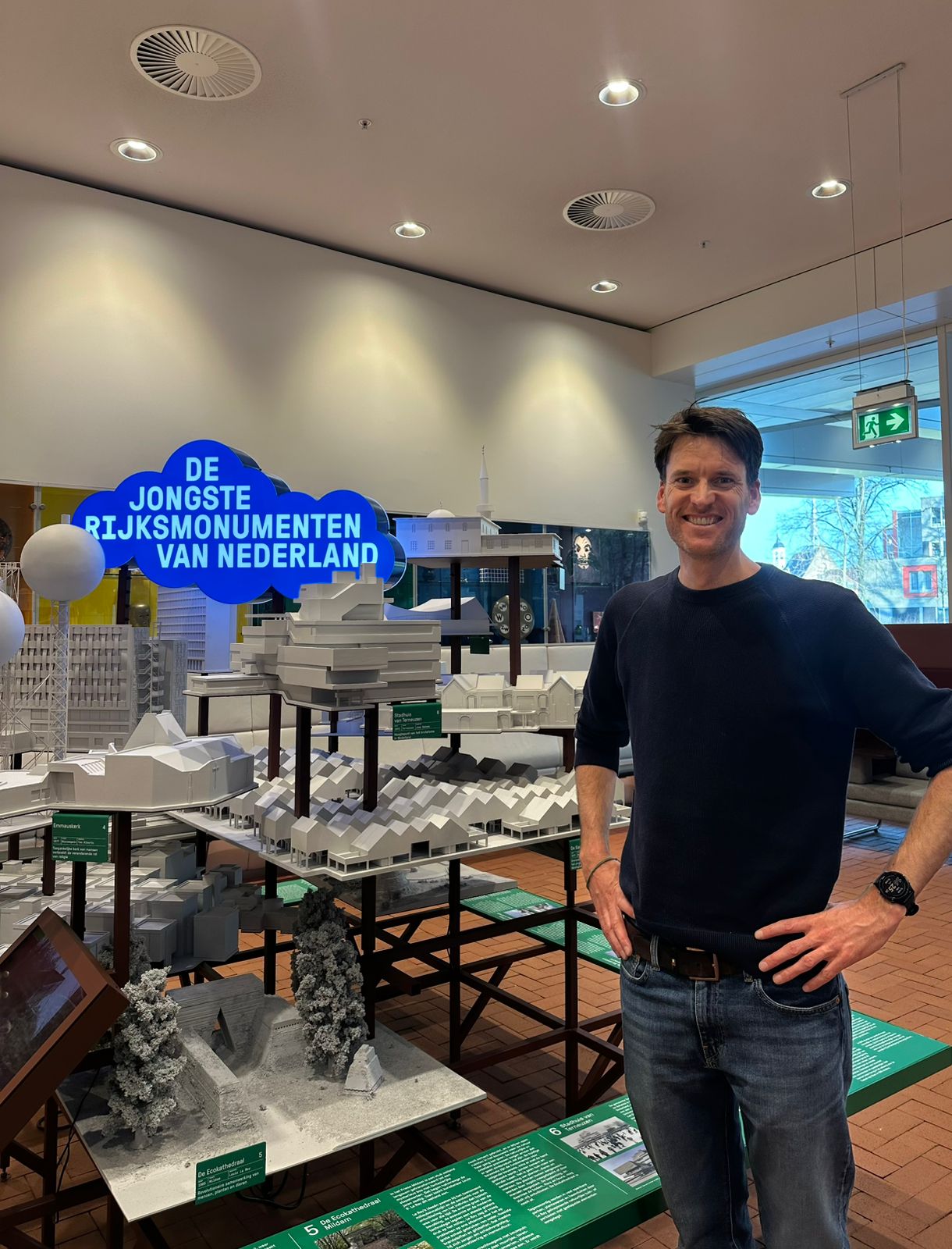
van Putten, Maurits: Architectural History Adviser at Cultural Heritage Agency, Netherlands; photographed by Khushi Verma at RCE, Amersfoort
“Even heritage globally celebrated, like the Taj Mahal, beautiful and significant in my eyes, cannot survive on sentiment alone,” he adds. “Without economic support and strong institutions, preservation becomes difficult. In that sense, the neglect of ancient heritage in some countries is more understandable than it first appears.”
Muiderslot’s stability isn’t simply a matter of cleanliness; it’s administrative inheritance. Today, the survival of heritage depends more on the systems that sustain it than symbolic value. While wealth and institutional capacity make a huge difference, sentiment matters too. The Dutch treat preservation as a civic duty toward the future. “As a society, caring for heritage is our natural responsibility. We know that once it is lost, our cultural history is lost forever.”
In the Netherlands, preservation isn’t nostalgia; it’s policy.