When most people think of Copenhagen, they picture colourful houses in Nyhavn, bicycles crossing bridges, and boats floating through the canals.
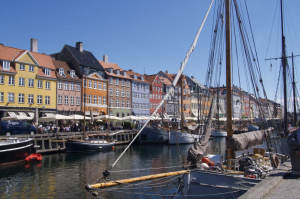
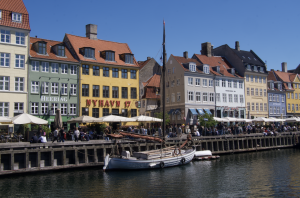
Nyhavn’s historic waterfront, where trade and maritime activity
helped shape Copenhagen’s growth
Fish rarely comes to mind.
Yet during our reporting trip to Copenhagen, we discovered that much of the city’s history is hidden beneath the water.
Our project began with a simple question: how did herring, a small silver fish, help shape one of Northern Europe’s most important cities? To answer it, we travelled to Copenhagen and followed the traces of a forgotten industry that once connected the city to the rest of Europe.
The first surprise came almost immediately.
Standing along the harbour, it is difficult to imagine that the waters of the Øresund once contained enormous quantities of herring. Today, ferries cross the strait between Denmark and Sweden while tourists photograph the waterfront. The sea seems calm and ordinary.
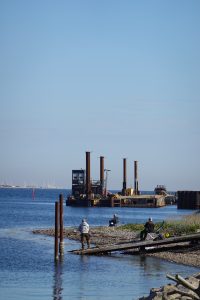
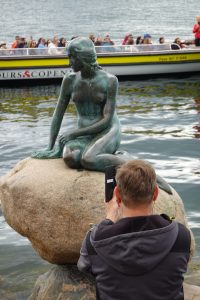
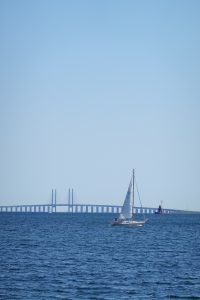
The Øresund Strait, once crowded with merchant ships carrying herring and goods across Northern Europe
But sailor Peter Flink paints a very different picture.
“There was so much herring in the Øresund that you could practically walk on water,” he tells us.
Whether literal or not, the image captures the scale of what once existed here. During the Middle Ages, herring was one of Europe’s most important food products. Christians across the continent relied on fish during fasting periods, creating huge demand for preserved seafood. The Øresund became one of the richest fishing grounds in Northern Europe, and the fish became known as “Grey Gold.”
Historian Carsten Jahnke describes herring as “the starting point of our cities and our international economy.”
Around the coast of Skåne, giant seasonal fish markets emerged. Merchants arrived carrying salt, cloth, wine, and grain. They returned home with thousands of barrels of herring bound for Germany, England, Italy, and Russia. What started as a fishing industry quickly became something much larger. Trade routes formed around the movement of herring, and those routes connected people, cities, and entire regions.
What fascinated us most was that Copenhagen itself was never the centre of the fishing grounds.
“The herring market is outside Copenhagen,” Jahnke explained.
The city’s real advantage was its location. Every ship travelling between the Baltic Sea and the North Sea passed through the Øresund, and Copenhagen sat directly on that route.
“Copenhagen is the central hub as a harbour,” Jahnke told us.
As trade expanded, so did the city. Warehouses appeared along the waterfront, shipyards grew, and merchants settled around the harbour. Copenhagen gradually transformed from a small settlement into one of the most important commercial centres in Northern Europe.
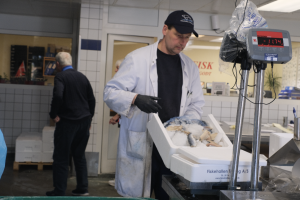
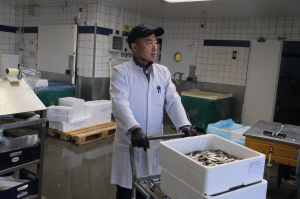
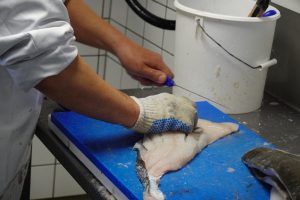
Modern seafood processing continues Denmark’s long tradition of trading fish beyond its borders
This is where the Hanseatic League enters the story.
Before arriving in Denmark, we imagined the Hanseatic League as something distinctly German. Jahnke challenged that assumption.
“Copenhagen actually was a city of the Hanseatic League,” he told us.
The statement surprised us. In Danish history, the Hanseatic League is often presented as an outside force competing with Denmark. Yet the reality is far more complex. Merchants in Copenhagen spoke Low German, traded through Hanseatic networks, and maintained close economic ties with cities such as Lübeck and Hamburg.
“There’s no nationality in trade at that time,” Jahnke explained.
The more interviews we conducted, the more we realised that medieval Copenhagen was far more international than we expected. Long before modern borders defined Europe, trade connected people across languages, cultures, and kingdoms.
But the story of herring is not only one of growth and prosperity.
The wealth generated by trade also created competition. By the 14th century, control of the Øresund meant control of one of Europe’s most valuable trade routes. Danish king Valdemar IV Atterdag sought to strengthen royal control over Baltic trade, bringing him into conflict with the Hanseatic League.
The result was war.
In 1369, Hanseatic forces captured Copenhagen and damaged parts of the city’s harbour and defensive infrastructure. One year later, the Treaty of Stralsund granted the League significant influence over Baltic trade and marked the height of Hanseatic power.
For a time, merchants proved they could challenge kings.
Yet despite political struggles and wars, herring remained at the centre of life around the Baltic Sea for centuries.
“Everyone in Europe was connected to this market,” Jahnke told us.
Entire communities depended on the sea. Fishermen caught herring, coopers built barrels, merchants organised shipments, and ships carried goods through the Øresund day and night. The prosperity of Copenhagen was closely tied to the movement of fish.
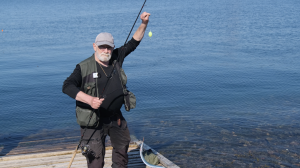
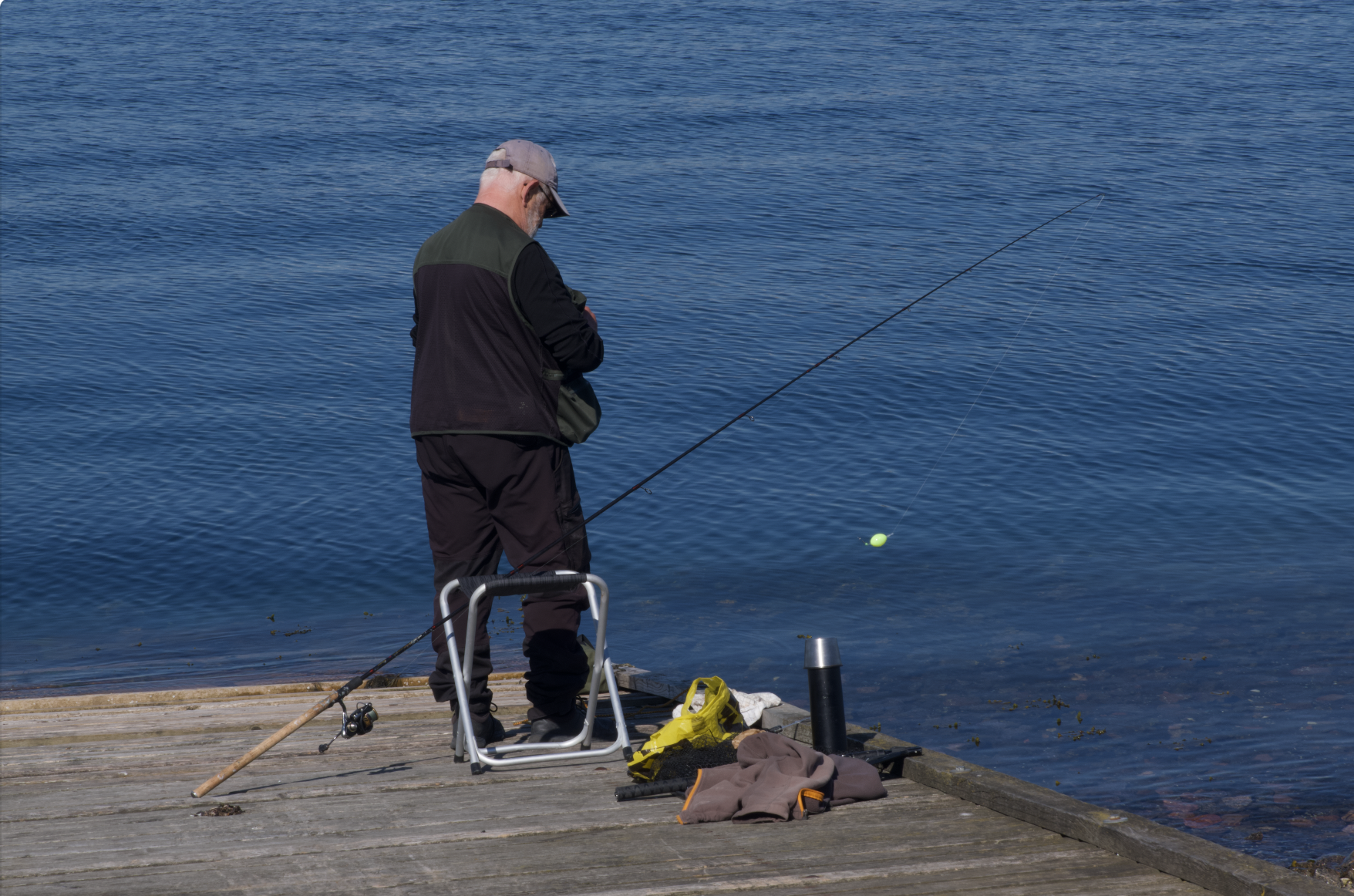
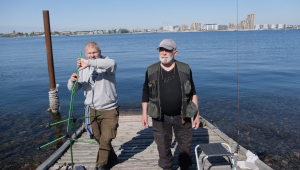
One of the few fishermen still found in Copenhagen’s harbour today
Eventually, however, the sea began to change.
Overfishing, changing migration patterns, and environmental pressures gradually reduced herring populations in the Baltic Sea. The giant shoals that once filled the Øresund slowly disappeared. As the herring trade declined, Copenhagen evolved into a modern capital rather than a fishing city.
Today, only traces of that world remain.
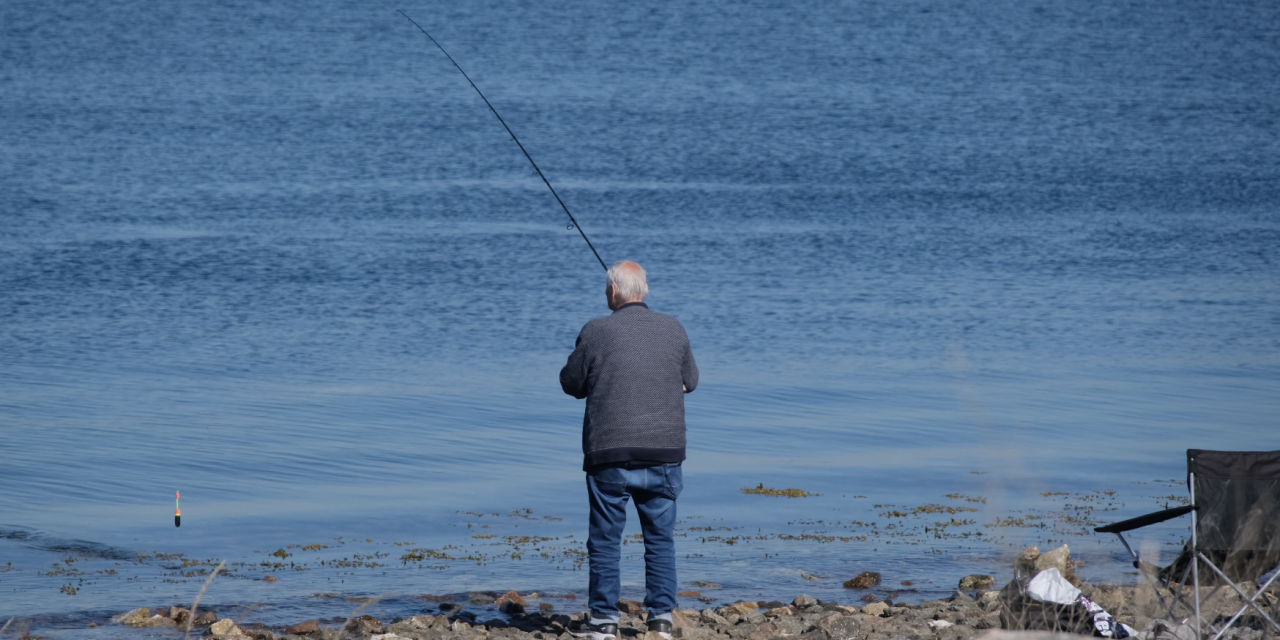
At Fiskerihavn, one of Copenhagen’s remaining fishing harbours, we met sailor Karl-Johan Paknes. Looking out across the water, he described a city very different from the one he knew decades ago.
“Thirty years ago, there were twenty fishermen here,” he said. “Now there’s only two left.”
The contrast between past and present became one of the strongest impressions from our trip.
Modern Copenhagen no longer depends on herring. During our interview with Søren Espersen Schrøder from EUROFISH, we learned that much of Denmark’s fishing industry has shifted away from the capital toward Jutland and the North Atlantic coast. Fishing remains important to Denmark, but it is no longer at the centre of life in Copenhagen.
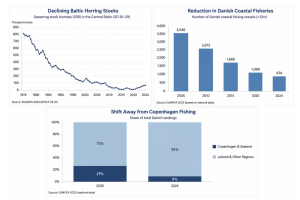
This data visualisation shows how declining herring stocks and changes in the fishing industry have transformed Denmarks relationship with the sea
Based on data collected from interview with Eurofish
Yet herring has not disappeared completely.
While few people in the city make a living from catching herring today, the fish remains deeply rooted in Danish culture. Pickled herring is still a traditional dish served during Christmas lunches, Easter celebrations, and family gatherings. In restaurants and
supermarkets across Denmark, herring continues to appear on menus much as it has for centuries.
The fish that once fed Europe has become a cultural tradition.
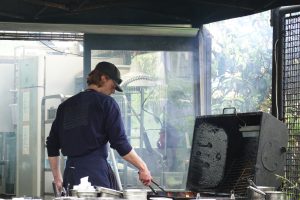

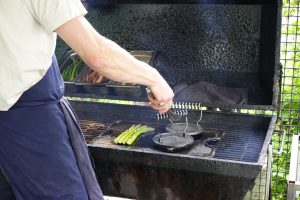
A local chef prepares fish using using recipes rooted in Denmarks maritime traditions
When arriving in Copenhagen, we carried the expectation of finding lots about the city’s relationship with herring, however, on the contrary to our expectations, we discovered that the herring is not as known as it used to be, especially with the younger generation.
Walking through Copenhagen, traces of this history remain everywhere. They can be found in the harbour districts, in the stories told by fishermen and historians, and in the geography of the city itself. The Øresund still connects Copenhagen to the rest of Europe, just as it did during the height of the Hanseatic League.
What began as a search for a fish ultimately became a story about identity, trade, and memory.
Copenhagen often presents itself as a modern city looking toward the future. But beneath the bridges, canals, and waterfront cafés lies another Copenhagen, one built by merchants, fishermen, and herring.
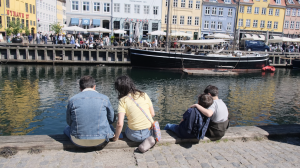 Today, Nyhavn is a place for locals and visitors, far removed from its days as a busy trading harbour
The giant shoals may be gone, but their legacy remains woven into the city, from the harbour to the dinner table.
The fish may be gone.
The history is not.