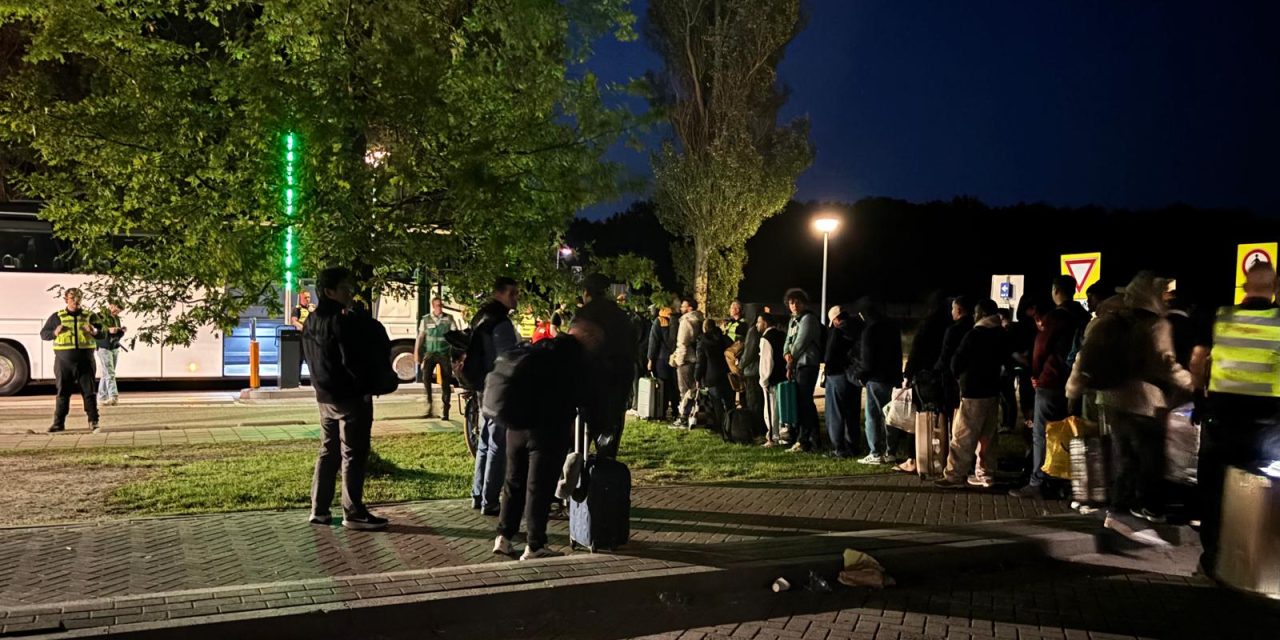
People have always moved and migrated. No matter if it is in the Hanseatic period of Groningen or now. However, migration has become a more and more dividing topic in society, with one example being the current situation at the asylum seeker center Ter Apel. In recent months, anti-migration protests have coincided with rising numbers of people sleeping in front of the facility. The reasons for that are various but are connected through the search for a better future.
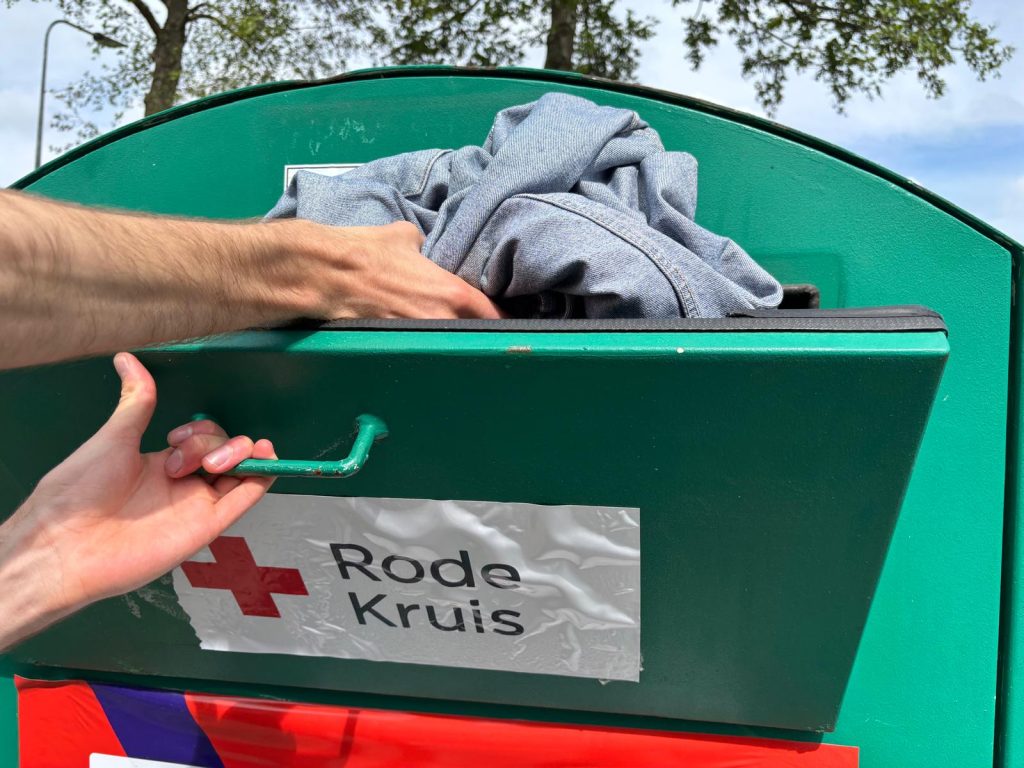
It is 3am in the morning. The group of volunteers has been waiting for people to arrive at the first registration and asylum seeker center (AZC) Ter Apel, after the last emergency transport buses and the Rode Kruis have already left. On some days it has been storming and raining, while repeatedly people are forced to sleep in front of the center. That is how the organization MiGreat has been describing the situation and their current regular workday on social media to the public. For months now the AZC Ter Apel has been overfilled. According to the municipality Westerwolde, the facility has been exceeding its limit of 2000 people already since December 2025. The situation has become a reminder of a never-ending discussion, questioning what the way of coping with migration reflects about the current societal climate.
In the past, wealth imbalances, work or religion have driven people to move. In the 1600s that meant trading and people traveling from Germany to the Netherlands. Although that is still one of the strongest migration routes, in a globalized world, distances have grown further. When asking historian and migration geographer Meindert Schroor about how people were received compared to today, he mentioned that it of course looked different, racism based on appearance was less of a factor, but discrimination based on social and economic status was already present back then.

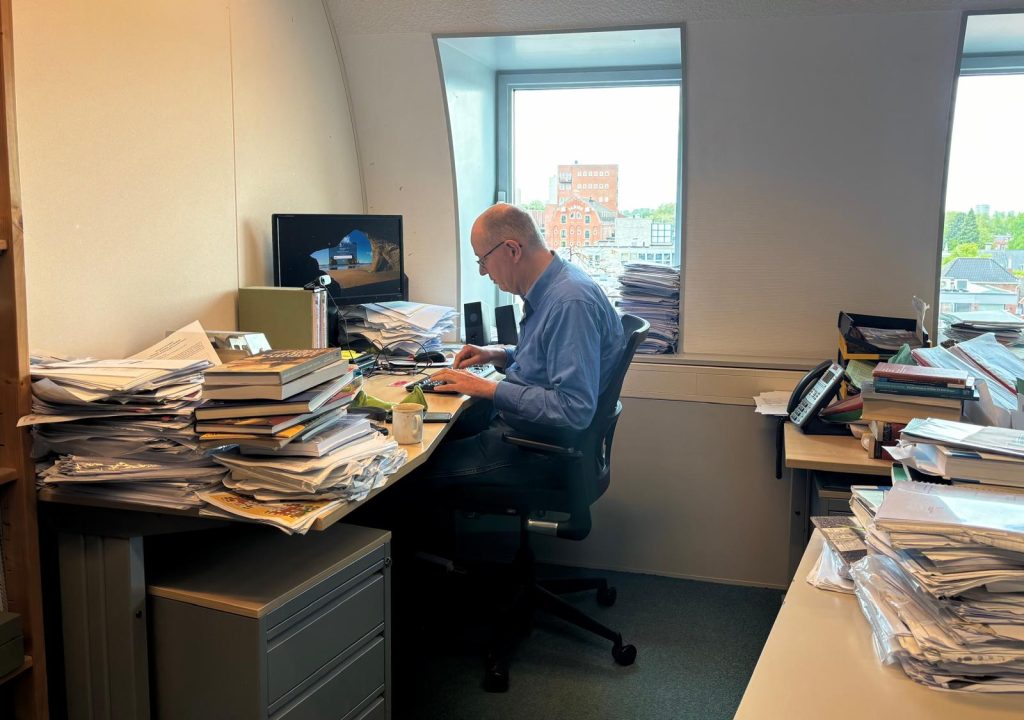
Meindert Schroor has a very clear view on what can be said about migration now versus then.
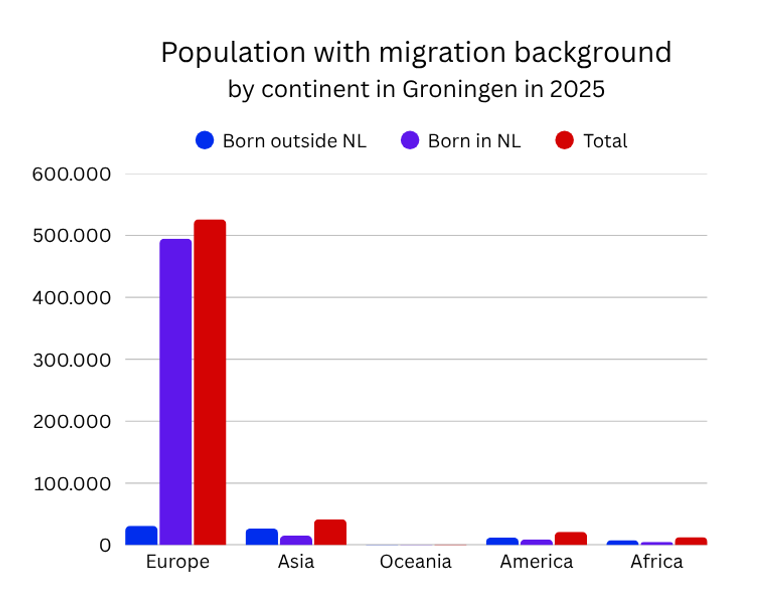
What Meindert Schroor is talking about hits a sensitive spot in the current discussion. The reasons why people move can be various and where people move from as well. Schroor’s point about discrimination resonates with today’s statistics. Data from Statistics Netherlands shows that the biggest group of people with migration background comes from Europe. Especially with people born in the Netherlands, there is a big gap between European migration background and non-European. Even among people born outside the Netherlands, migration from other European countries to the Netherlands is dominant.
Before the current crisis, migration peaked before, in 2022. Back then, the news agency NOS reported that 250 people were forced to sleep outside the AZC Ter Apel, during nights of around 11 degrees, without a tent. Similarly to how it is now, the crisis continues regardless of rainy nights or hot days. The number outside is lower than 2022, yet the crisis persists because the system is blocked, not because more people are arriving. It only leaves to question, how after these four years, the Dutch asylum registration system is still not prepared for the influx of people urging shelter.
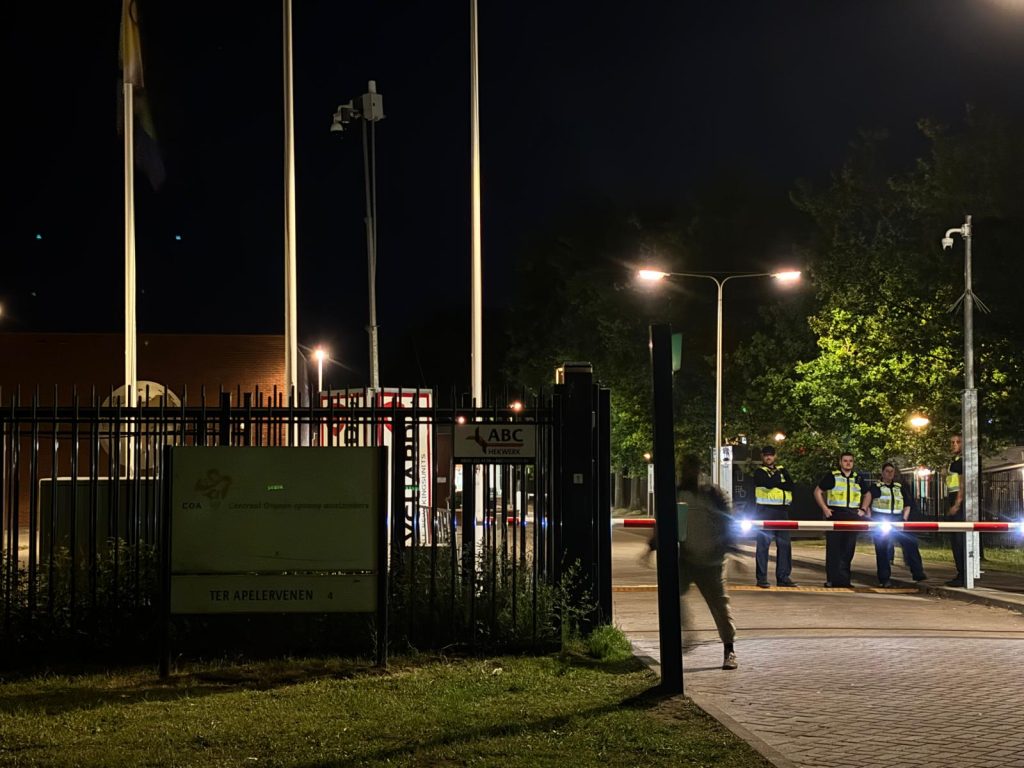
In an interview with Ylio Van Donselaar, the spokesperson of a civic initiative active at Ter Apel, supporting the AZC staff and the Rode Kruis, he shared his view on the current escalation.
“It escalated because the system was already broken. Ter Apel is the front door of Dutch asylum reception, and when there are not enough places elsewhere, everything piles up here. Then one delay becomes a humanitarian crisis.”
A report from 2024 by the Mixed Migration Center, an independent research organization that monitors migration patterns around the globe, highlights how the housing crisis and the crises at the AZC have been connected. However, the report also mentions the role of governmental crisis rhetoric, as a tool to justify anti-migration politics, underfunding and the lack of structural improvement at the AZCs.
Similarly to many other European countries, this leaves a big part of the humanitarian work to volunteers and NGOs. At the AZC in Ter Apel, the civic organization provides a crucial part of the care work needed.
“In Ter Apel, people were sleeping outside without basic dignity: no shelter, no calm, sometimes not even access to proper toilets or showers. Our civic initiative is not there because we want to replace the government. We are there because human beings cannot be left in the grass while institutions discuss responsibility. We bring water, blankets, tents, food, presence — and sometimes most importantly: we look people in the eye.”
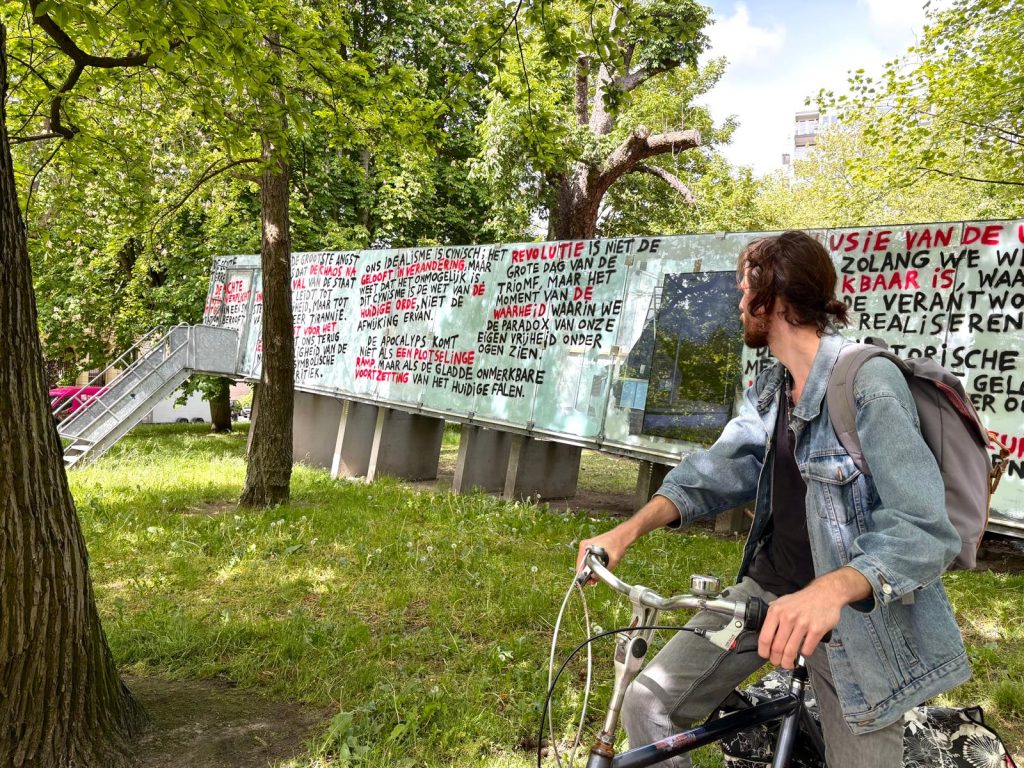
Ylio Van Donselaar sees the situation in Ter Apel as a bigger moment also in Groningen, which goes beyond institutional failure and reflects “the moral state of our country.”. He says:
“Groningen has become the place where national failure becomes visible. The question is what kind of society we want to be when vulnerable people arrive at our door.”
He gives a strong insight into the civic initiative’s incentive, which is urging more humanity.
Would you like to know more about the history of migration in Groningen?
Find the article by Mai Ly Spranger in our magazine, ‘Beyond Hanse’. Here are some visual impressions: