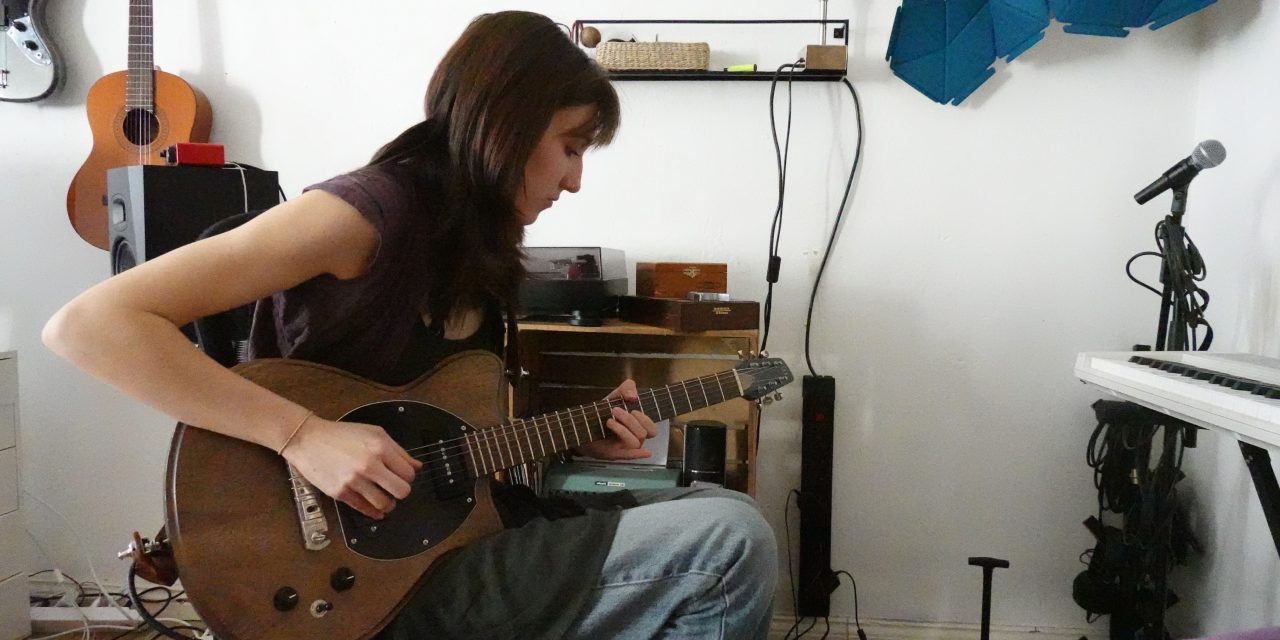
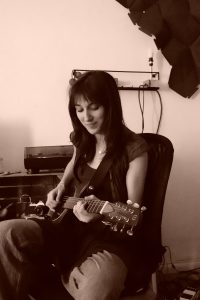
“Berlin has been like a toxic relationship, like a toxic boyfriend or something,” says Izzy Diaz. It’s a strange way to describe a city that is still sold as a creative paradise, but for her, it feels accurate.
Diaz, 22, moved from Hamburg to Berlin in 2021 to study Popular Music Performance at BIMM University. She now works part-time in a café while trying to build a career as an independent musician.
She moved to Berlin for the same reason many artists do. Freedom. “It’s a very exciting city as an artist. It’s like everyone is an artist here,” she says. As a singer-songwriter working across indie, pop, and alternative genres, she found a place where creativity feels open and shaped by everyday life.
That image of Berlin is not a myth. After the fall of the Berlin Wall in 1989, artists moved into vacant buildings and transformed them into studios, clubs and cultural spaces. Low rents and creative freedom helped establish Berlin as an international centre for art and music (Bader & Scharenberg, 2010; Tallentire, 2014).
For years, the city offered something rare. You could live cheaply and focus on your work. It became known as a place where art came first and money came second.
But that version of Berlin is getting harder to find.
“Rent in big cities is getting super expensive. If you’re in the arts, that’s not really helpful,” Diaz says.
Berlin remains one of Europe’s largest creative centres, with more than 300,000 people working in its cultural and creative industries. Yet many artists still rely on part-time jobs and multiple sources of income to support their work.
Like many independent artists, she is responsible for everything herself. Writing, recording, booking gigs, and promoting her work.
“The struggles that I’m having as an independent artist is that I’m really responsible for everything,” Diaz says. “You have to be sending emails, you have to be at the events, talking to booking agents. You have to be really connected to the scene.”
“You’re just doing your silly little songs and you just have to believe that it matters.”
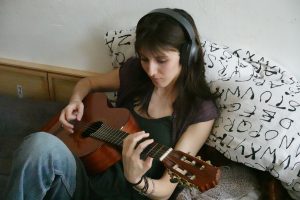
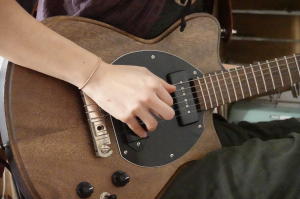
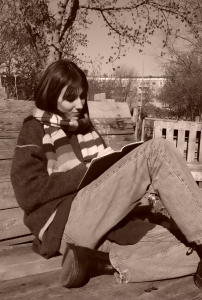
Without a manager, booking agent or record label, every opportunity depends largely on her own initiative.
In Berlin, that struggle has another layer. The city is globally known for its techno scene, with large clubs and international DJs shaping its reputation. But artists working in smaller, independent genres often exist in the background.
“When I arrived, I thought there was going to be more of this indie rock scene that I’m really into,” Diaz says. “Then I arrived and it was a lot of techno.”
Researchers have noted that Berlin’s international music identity is strongly linked to electronic music and club culture, often overshadowing smaller music communities (Bader & Scharenberg, 2010).
Indie music does not always have the same support, visibility, or financial opportunities.
“To make a living out of music, it’s complicated,” Diaz says.
After graduating from university, Diaz also lost the built-in community that had connected her to Berlin’s music scene.
“Isolation is probably the hardest thing in winter,” she says. “You’re really alone in the process.”
At the same time, the city itself is changing. Studies on culture-led gentrification have shown how rising rents and redevelopment are transforming neighbourhoods that once attracted artists because of their affordability (Crowe, 2015).
In neighbourhoods like Reuterkiez, rising rents are affecting everyone. “Everything is quite expensive now… even going out for a coffee,” says one local resident. As more people move to Berlin, long-term communities are being pushed out. “People who have been living here for ages will just move away.”
For Diaz, this creates a clear tension. Berlin still offers inspiration and connection, but it is no longer the easy, accessible
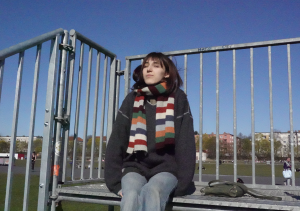
space it once was. The cost of living is rising, competition is increasing, and not every artist benefits equally from the city’s creative reputation.
Still, she is not planning to leave.
“I really felt like I belonged here,” she says. “There’s just a lot of people doing art here. So you’re going to meet a lot of people doing the same thing.”