Berlin has been long framed as Europe’s queer capital, a city associated with liberation, freedom and cultural experimentation, with VisitBerlin describing it as on of the most open and tolerant cities in the world. Major Events such as Christopher Street Day attract up to 750,000 participants autumnally in Berlin, and yet beneath this global reputation lies a more complex reality
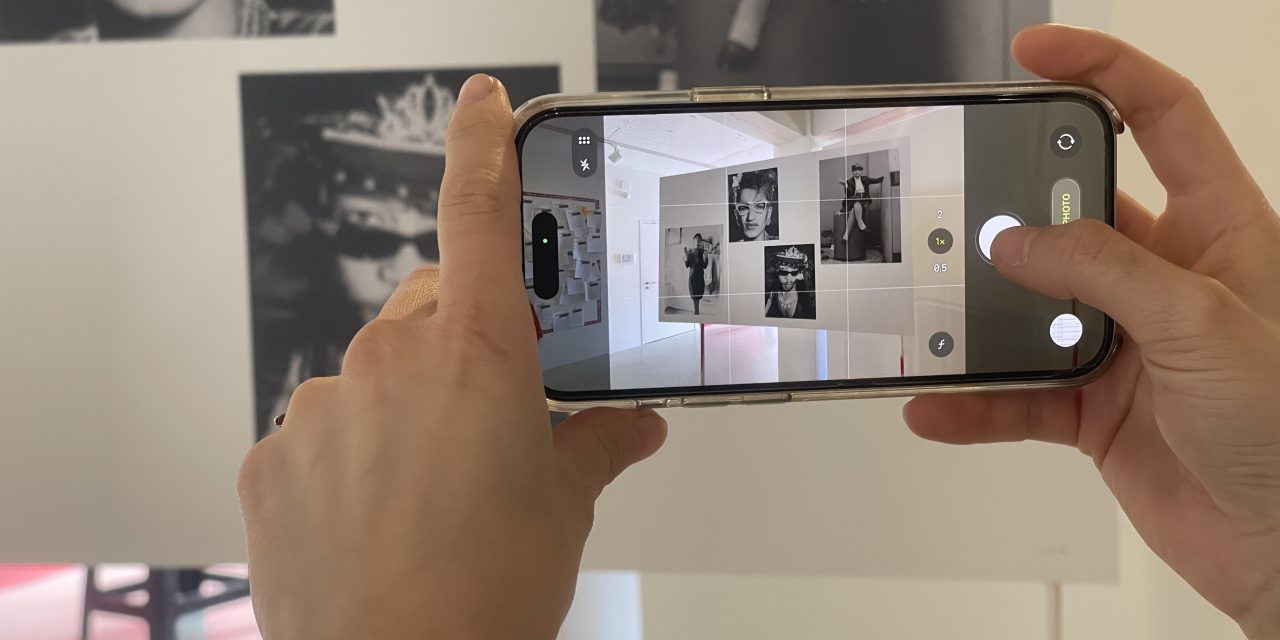
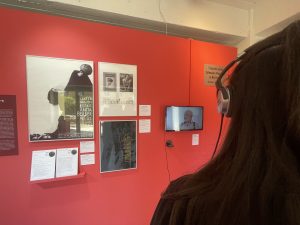 The Schwules museum, founded in 1985 is one of the first and largest institutes to actively preserve queer history. Anna, an older volunteer from the museum and long-term resident, who’s worked there for over 7 years, explained how the museum attracts visitors from across the world not just to see art, but see parts of their identities and history in the material. Leaving many visitors quite emotional. Anna describes moments like these “really touching” and turn the museum into something more than just an exhibition space
This internation reach says a lot about Berlin, it isn’t just a city people visit, it’s a city people come to understand themselves. But inside many queer museums, queer identity is still evolving.
The Schwules museum has come a long way, what began as a space centres on gay male history is now trying to tell a much bigger story. Anna tells us of a shift toward a more inclusive representation for trans, intersex, lesbian and non-white communities. Identities that are often limited in history and art. As Anna puts it, “the visibility of different parts of the 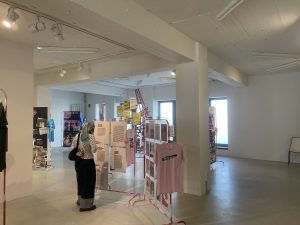
queer community is changing, thankfully”. But it’s not finished. Representation is still uneven, and the museum is still catching up to the diversity it aims to show.
And then there’s growing tension outside its walls
Despite Berlin’s reputation, there’s a shift taking place. “I am concerned…the opinion polls show that the right-wing part is increasing more and more” Anna say’s later putting it even more bluntly that we are living in “the times of the backlash”
Queer life is more visible than ever, but that visibility doesn’t guarantee safety. If anything, it can be argued that communities are more exposed. The “othering” of minority groups leads them to become targets of political discourse.
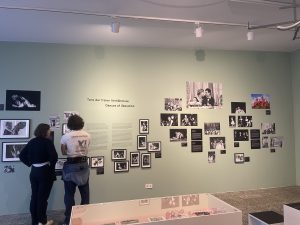 The museum has then taken a different role, no longer just telling stories, but holding onto them. “it’s very important…to have a queer archive and to save this…for the next generation” Anna explains. In the political climates where rights and attitudes are shifting faster than ever, preserving history becomes a form of protection.
But even preservation isn’t secure. The Schwules museum runs largely on volunteer work, with many roles unpaid. Behind the curtains, are over a million archived items, untold stories, far more than can be displayed. Space is limited and funding is tight, especially as political parties change hands. The city may celebrate queer culture, but the institutions holding that very culture’s history are far less stable.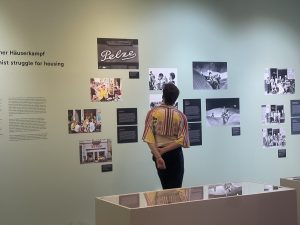
Berlin is not just a city of freedom, it a city constantly doing the work to hold onto the freedom decade after decade. Inside the Schwules museum, that effort is on full display. Messy, unfinished and more necessary than ever with the global rise of the right wing.