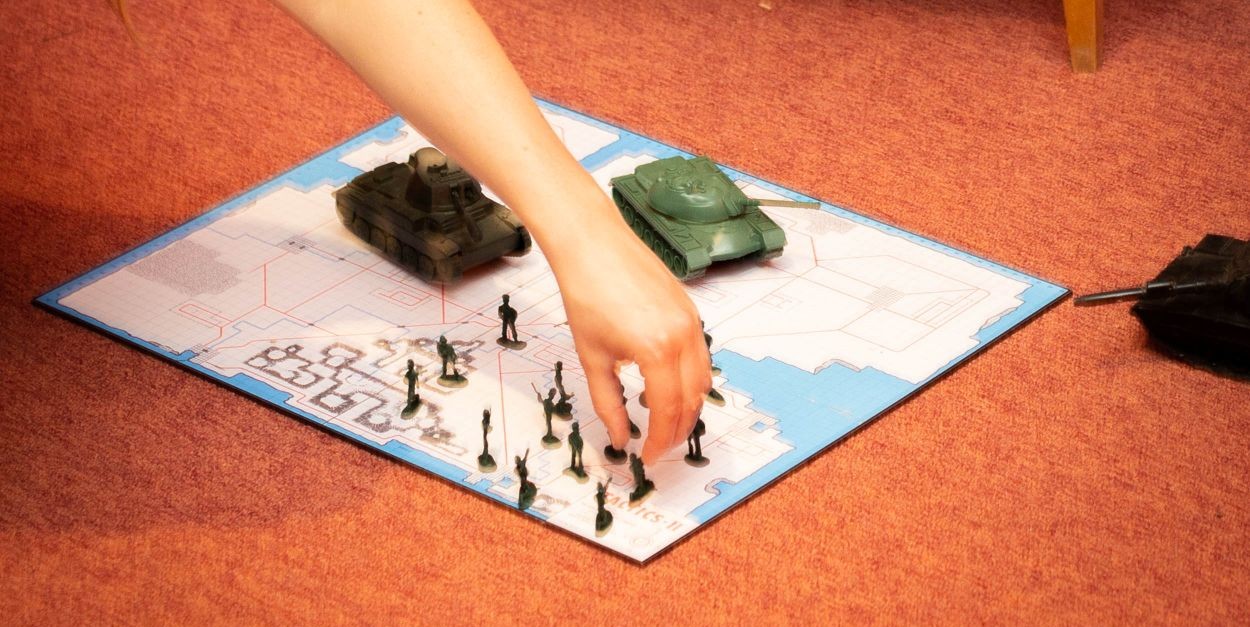
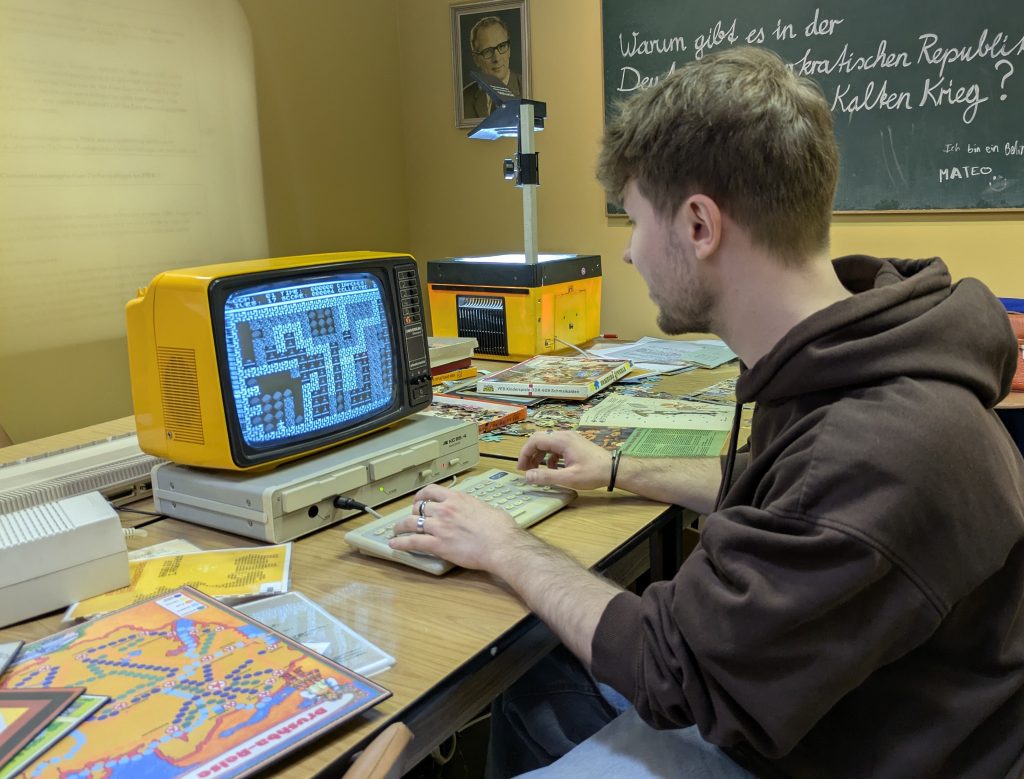
 Humans love playing games, even in difficult times like during war and crises. We imagine the Cold War as a tense, risky time in human history. But it lasted almost 40 years and people did not just cower in their homes for that long. So they did what people have always done in their free time: They were playing games. The exhibition “Cold War Games” in the Alliierten Museum in Berlin provides an insight to a more playful part of everyday life for Berliners post-WW2. By trying out those (video)games themselves, people could dive into the reality of the past, according to Veit Lehmann, curator of the exhibition.
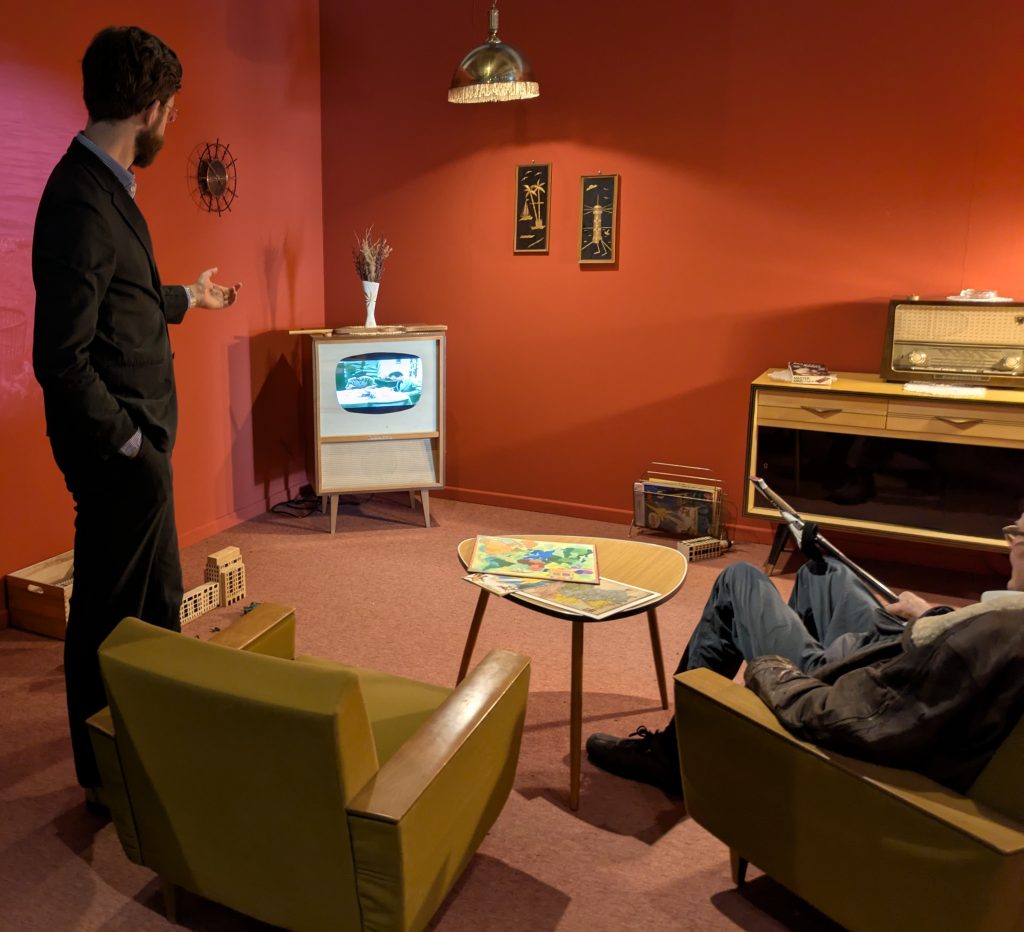
Even though the Cold War meant there was a possibility of another war happening (this time with atomic weapons), people made board games about that. Even residents of Berlin, one of the main stages of the Cold War were playing “Klassenkampf” (= ”class struggle”), a game in which to build alliances against capitalist oppressors or “Die Mauer” (= “The Wall”), where they had to spy on the other side to get information. But according to Veit Lehmann, curator of the exhibition, most games of that time were not designed to push political messaging or to serve as propaganda, but more importantly to just be fun.
“The games were about the Cold War simply because of the Zeitgeist.”
Instead of being treated like the greatest threat to global peace, the Cold War also became more of a recognizable brand for game designers, especially in the 80s and 90s. However, there were still some unspoken rules, like not including atomic bombs in video games. But even that changed after the Soviet Union collapsed in 1991 and the real danger of a nuclear war faded. Now nuclear weapons are a staple in a lot of games, often functioning as a “end game” mechanic.
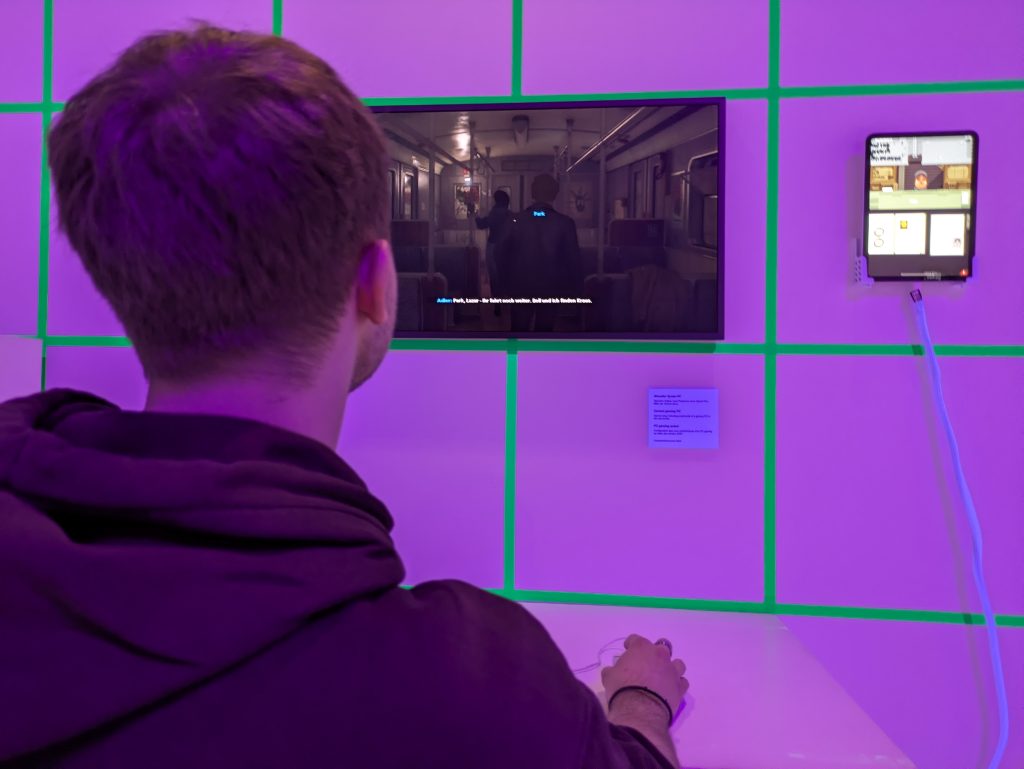 Over time, nostalgia set in, although very superficial. In 2020’s Call of Duty Black Ops: Cold War, players could choose their side and play as either a CIA agent investigating a hostage crisis or a Soviet spy, smuggling a nuclear device through East Berlin. According to Lehmann, nowadays game developers put more emphasis on entertainment than political messaging. Although he mentions the gaming market has exploded both in quantity and variety of games, so there are some “propaganda-games” but the industry is less politically charged than in the Cold War era, even though the world faces a lot of conflict right now with the situation in the Middle East or the Ukraine. However, there’s also evidence that taboos break faster than before: Lehmann knows of a Ukrainian game studio working on a shooter based on their own ongoing conflict with Russia.
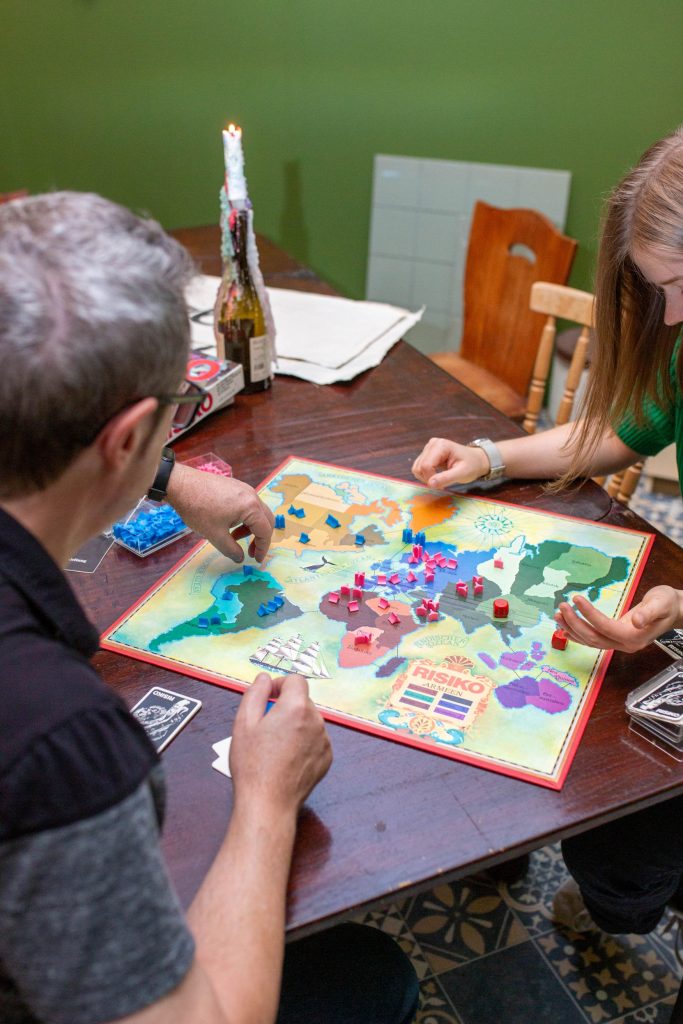
There may be no better city in the world to discuss the conflict of games and war. Berlin didn’t watch the Cold War from a distance but rather lived inside it, divided by a wall, occupied by four powers, a city that was itself kind of a game board. “Cold War Games” doesn’t offer a verdict on whether games shaped history or merely reflected it but it invites people to keep playing with the question.