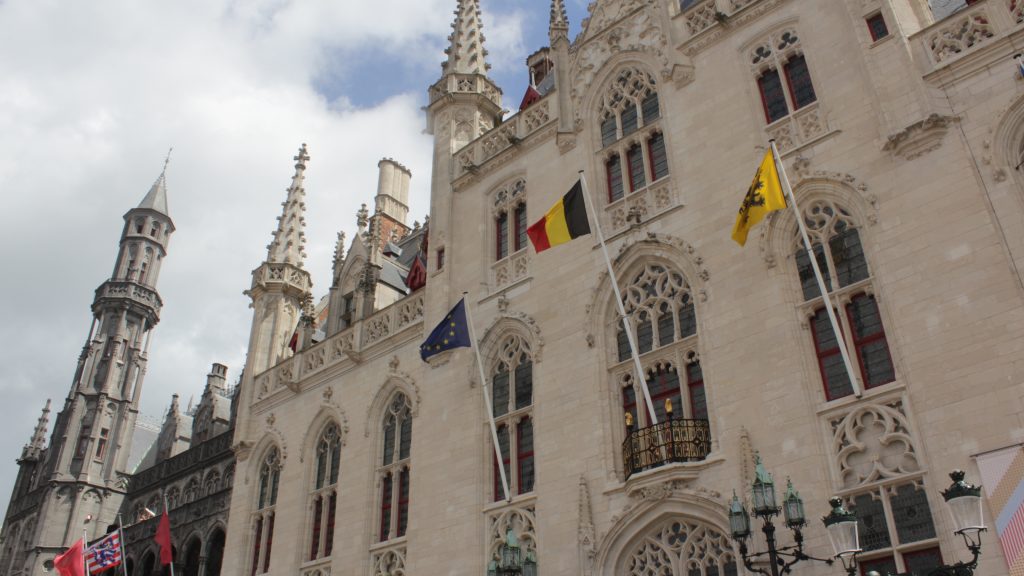
What first started in Bruges looks nothing like the stock exchange today. It is no longer bound to a place and has moved fully digital along with becoming more accessible for people to use. But how did we get from medieval Bruges to where we are at right now?
The stock exchange did not appear overnight.
What began as merchants exchanging information and making agreements in medieval Bruges gradually evolved over centuries. New trading centers emerged, financial innovations transformed the way people invested, and markets became increasingly connected.
But most people associate the official beginnings of the stock exchange with Amsterdam. So why did trading shift away from Bruges?
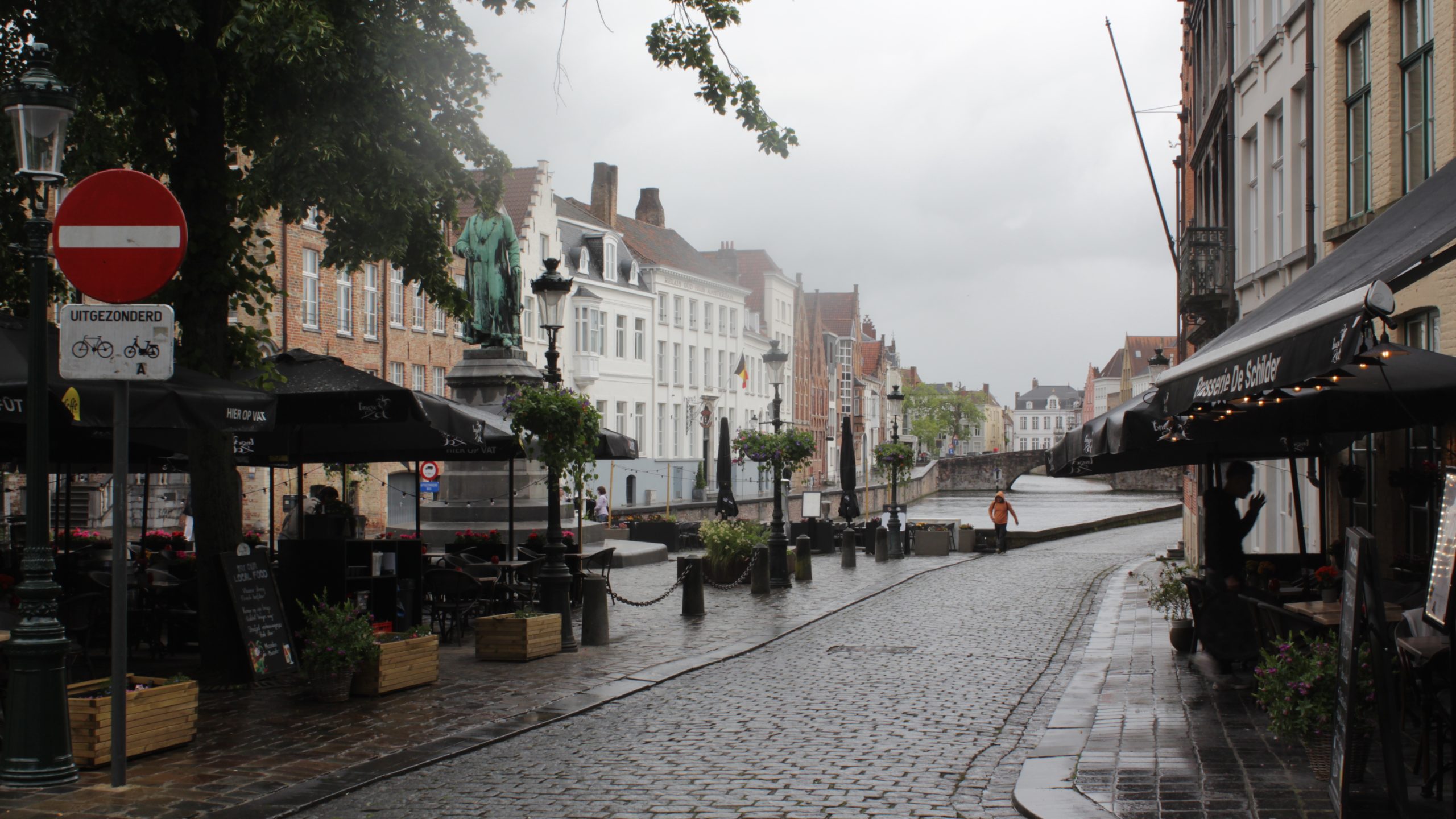
End of the 15th century Along with the channel silting up, the ships also kept getting bigger, which made it harder for the ships to enter Bruges. With the channel the prosperity of Bruges also disappeared. Because of political and economic unrest in Bruges many merchants also left the city around this time.
The Zwin channel silted up
End of the 15th century Along with the channel silting up, the ships also kept getting bigger, which made it harder for the ships to enter Bruges. With the channel the prosperity of Bruges also disappeared. Because of political and economic unrest in Bruges many merchants also left the city around this time.
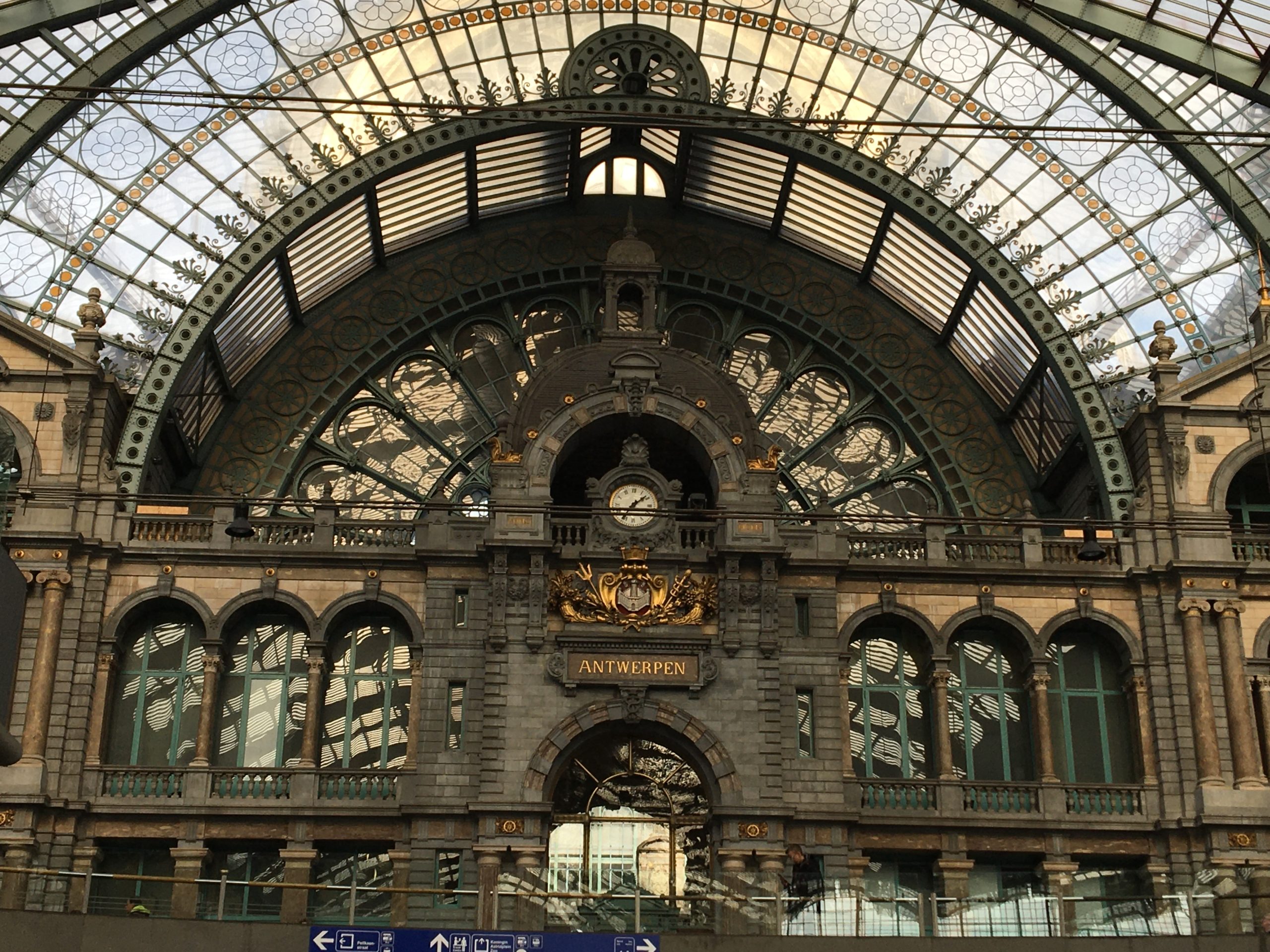
1532 When Bruges declined in importance, financial activity shifted to Antwerp. As the ‘mother of all stock exchanges’, it serves as the inspiration for many other European stock exchanges. It was here they began to buy and sell not just goods, but shares of a ship’s cargo.
The New Stock Exchange rises again in Antwerp
1532 When Bruges declined in importance, financial activity shifted to Antwerp. As the ‘mother of all stock exchanges’, it serves as the inspiration for many other European stock exchanges. It was here they began to buy and sell not just goods, but shares of a ship’s cargo.
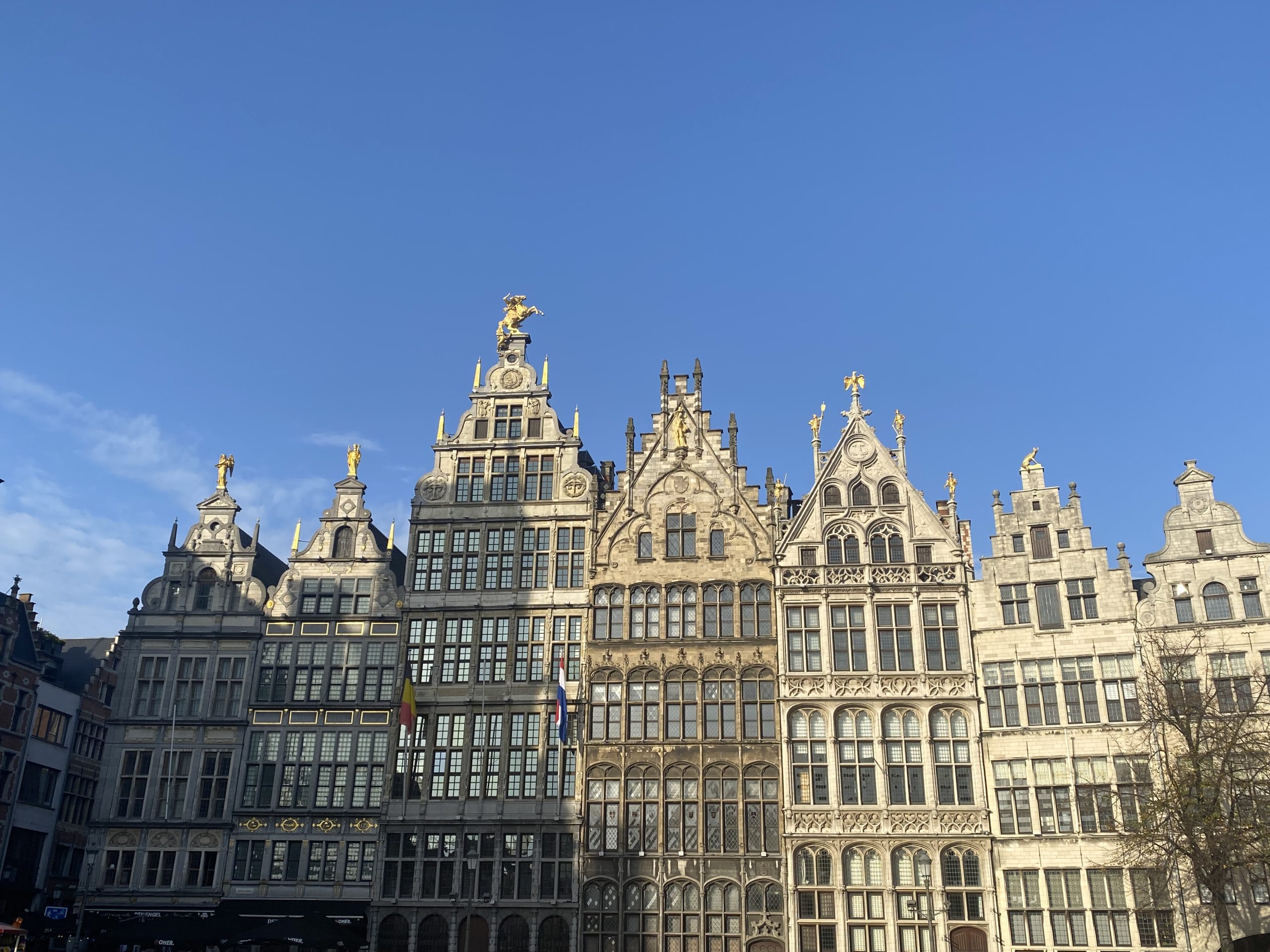
1585 Spanish forces blockaded and captured the prosperous trading hub of Antwerp. This led to a mass migration of tens of thousands of skilled merchants, bankers, and artisans to Amsterdam. These refugees brought vital capital, trade networks, and commercial expertise with them.
The fall of Antwerp
1585 Spanish forces blockaded and captured the prosperous trading hub of Antwerp. This led to a mass migration of tens of thousands of skilled merchants, bankers, and artisans to Amsterdam. These refugees brought vital capital, trade networks, and commercial expertise with them.
1602 Amsterdam merchants founded the Dutch East India Company (VOC). Needing massive, long-term capital for its risky global shipping voyages, the VOC issued the world’s first formal, publicly traded joint-stock shares. The exchange’s physical trading building was later commissioned by the Amsterdam city council in 1611. It is widely recognized as the world’s oldest “modern” stock exchange.
The rise of Amsterdam
1602 Amsterdam merchants founded the Dutch East India Company (VOC). Needing massive, long-term capital for its risky global shipping voyages, the VOC issued the world’s first formal, publicly traded joint-stock shares. The exchange’s physical trading building was later commissioned by the Amsterdam city council in 1611. It is widely recognized as the world’s oldest “modern” stock exchange.
1971 For most of history, stock trading was a physical activity. Traders shouted orders across a pit in a process known as open outcry. This changed dramatically with the founding of NASDAQ, the world’s first electronic stock market. NASDAQ did not have a physical trading floor. Instead, it used a network of computers to display the best bid and ask prices. This innovation reduced the spread between buying and selling prices and democratized access to market data.
Digitalization of the stock exchange
1971 For most of history, stock trading was a physical activity. Traders shouted orders across a pit in a process known as open outcry. This changed dramatically with the founding of NASDAQ, the world’s first electronic stock market. NASDAQ did not have a physical trading floor. Instead, it used a network of computers to display the best bid and ask prices. This innovation reduced the spread between buying and selling prices and democratized access to market data.
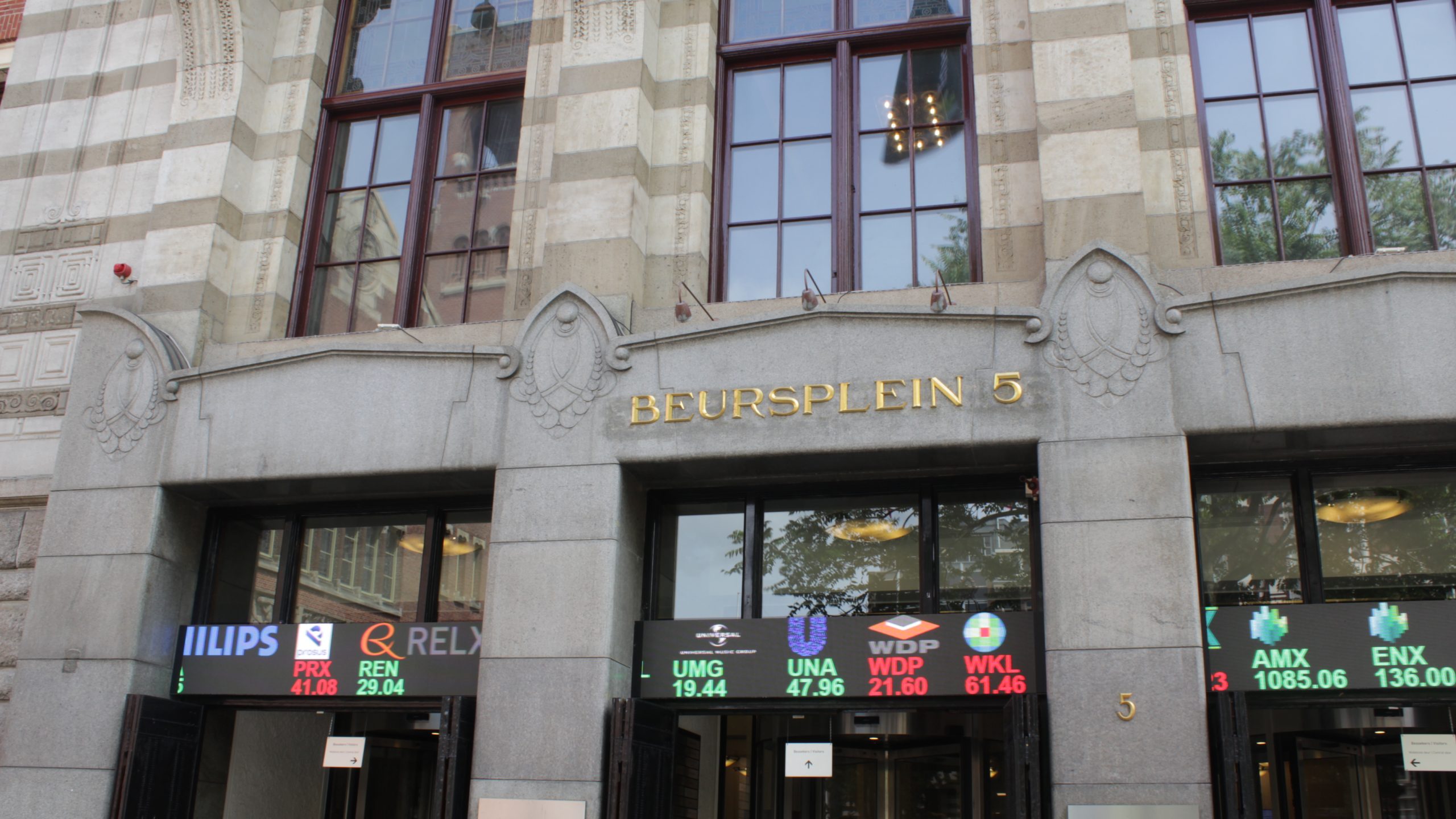
2000 To stand firmly within the new digital and international playing field, the Amsterdam Exchange merged with the Brussels and Paris exchanges to form Euronext, the biggest Stock Exchange in Europe.
Euronext
2000 To stand firmly within the new digital and international playing field, the Amsterdam Exchange merged with the Brussels and Paris exchanges to form Euronext, the biggest Stock Exchange in Europe.
Lotta Looije is tweedejaars student op de School voor Journalistiek van de Hogeschool Utrecht. Voor Lotta ging studeren heeft ze HAVO gedaan op het X11 media en vormgeving in Utrecht en heeft haar diploma gehaald in 2023. Op school vond ze de opdrachten waarbij ze mensen moest interviewen en verslagen moest schrijven het leukst waardoor ze uiteindelijk voor de studie journalistiek heeft gekozen. Ze woont in Utrecht en heeft een baan in de horeca. Op dertienjarige leeftijd moest ze wekelijks kranten bezorgen in haar buurt en dat heeft ze voor meer dan een jaar gedaan. Van de enorme hoeveelheid kranten die elke week voor de deur stonden bleven er altijd wel een paar over. Zo kwam ze op jonge leeftijd al in contact met het nieuws en de krant. Ook op school hield ze het nieuws goed in de gaten zodat ze elke vrijdag tijdens de Nederlands les een kans had om de nieuwsquiz van die week te winnen. Naast de krant leest ze ook graag boeken en ze sport drie keer per week.
We gebruiken cookies om ervoor te zorgen dat onze website zo soepel mogelijk draait. Als je doorgaat met het gebruiken van de website, gaan we er vanuit dat ermee instemt.