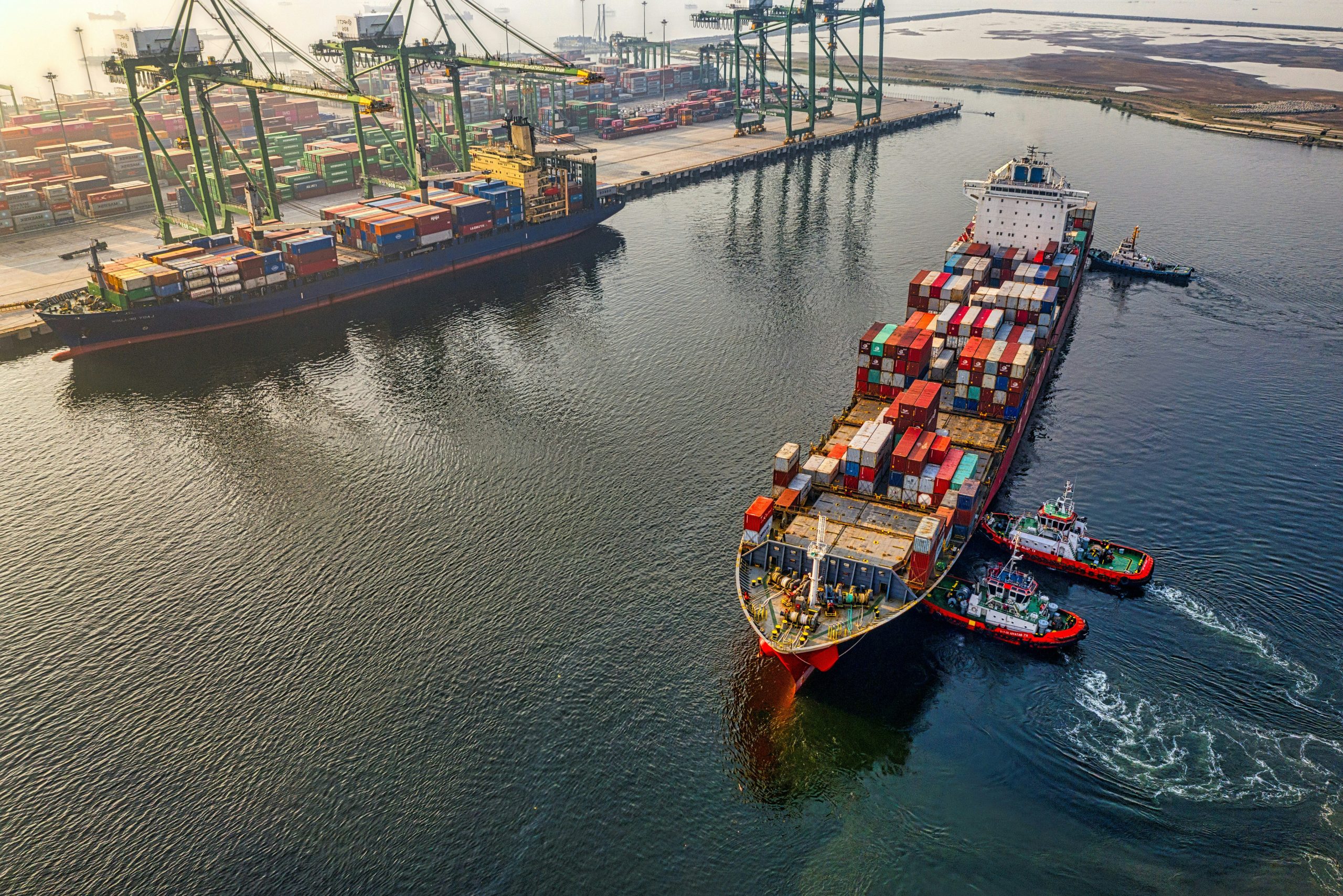
Photo by: William William on unsplash
As criminal networks adapt to increased security in major ports such as Rotterdam and Antwerp, the focus shifts further inside the system itself. It is no longer only about containers moving through global supply chains, but about the environments, people and processes that allow those flows to exist in the first place.
Ways of transport
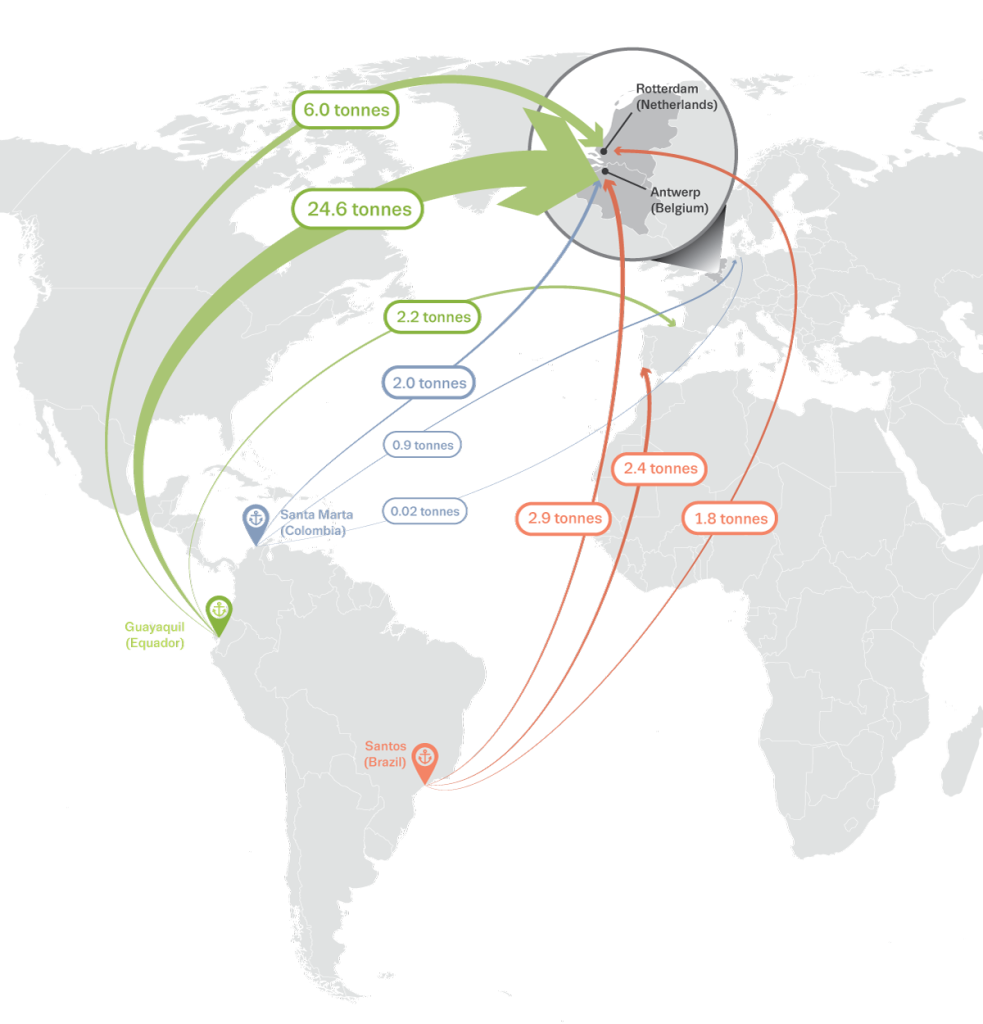
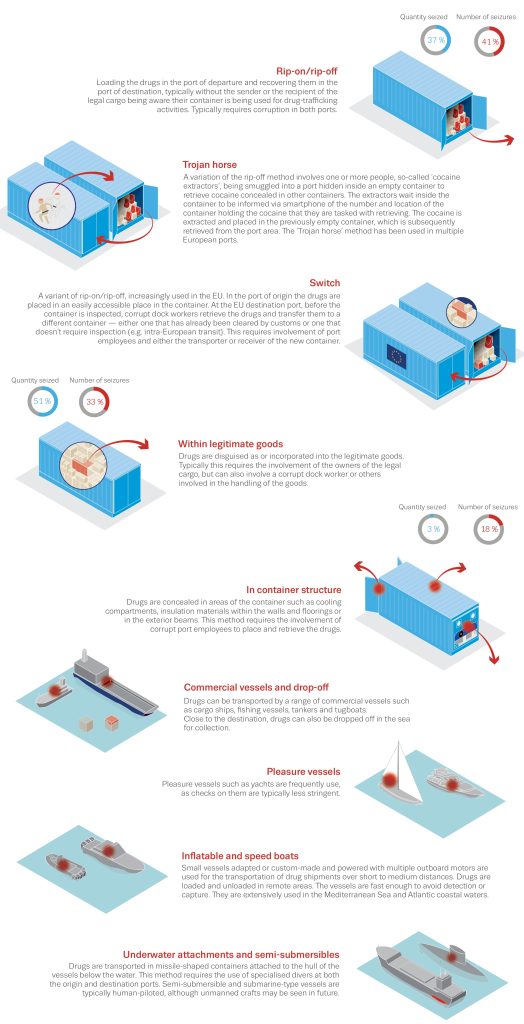
Most cocaine entering Europe is transported by sea. According to the EU Drug Markets analysis on cocaine by EUDA and Europol, illegal trade is moving primarily in maritime containers along commercial trade routes between South America and Europe. Major ports such as Antwerp, Rotterdam and other large European hubs function as the main entry points because of their scale and connectivity within global logistics systems. And these are their ways:
Port of Zeebrugge
Zeebrugge reflects this system at ground level. It is not a single controlled border, but a large operational environment where terminals, storage zones, transport routes and container flows overlap. Thousands of workers and vehicles move through these spaces every day, all operating within tightly coordinated schedules designed to keep global trade efficient.
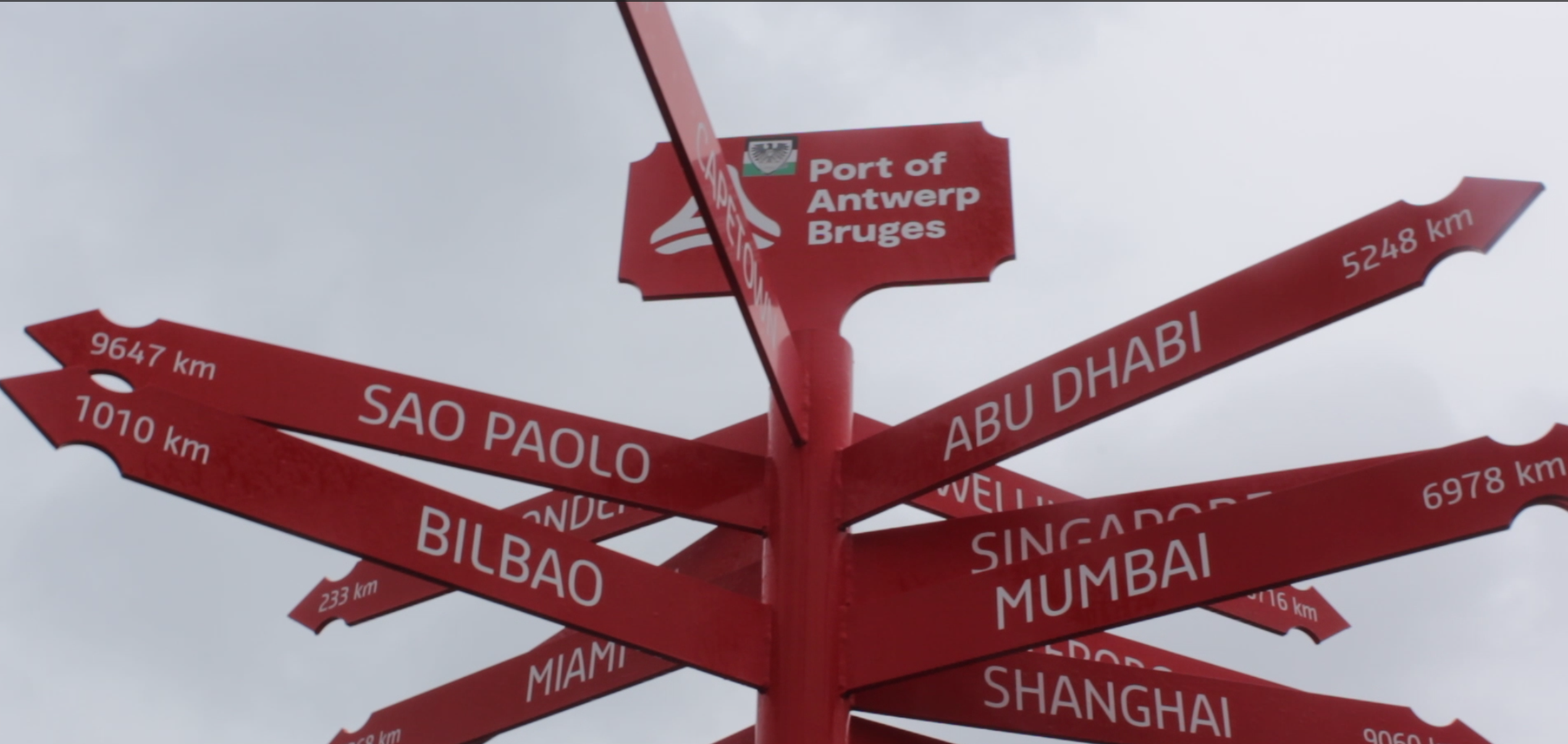
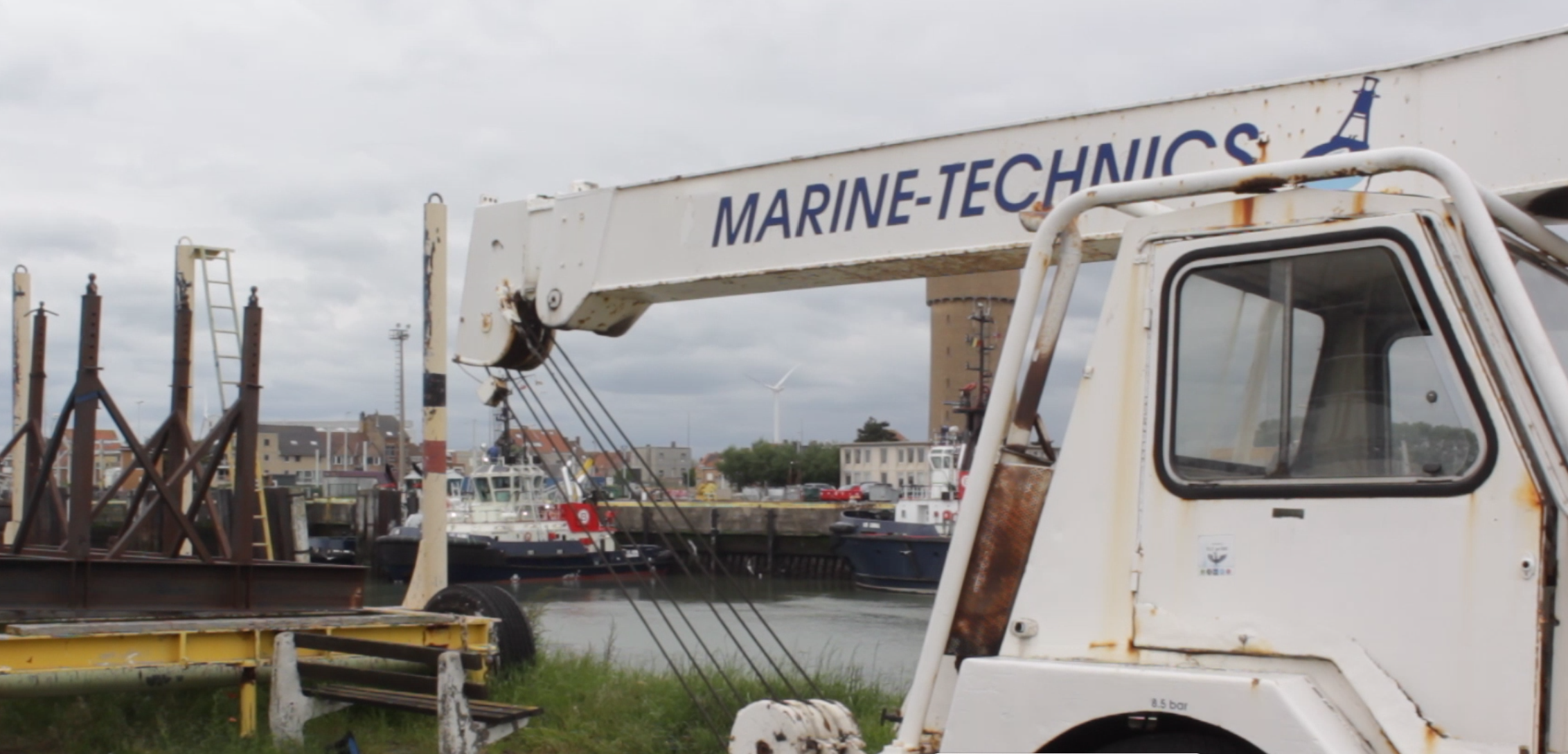
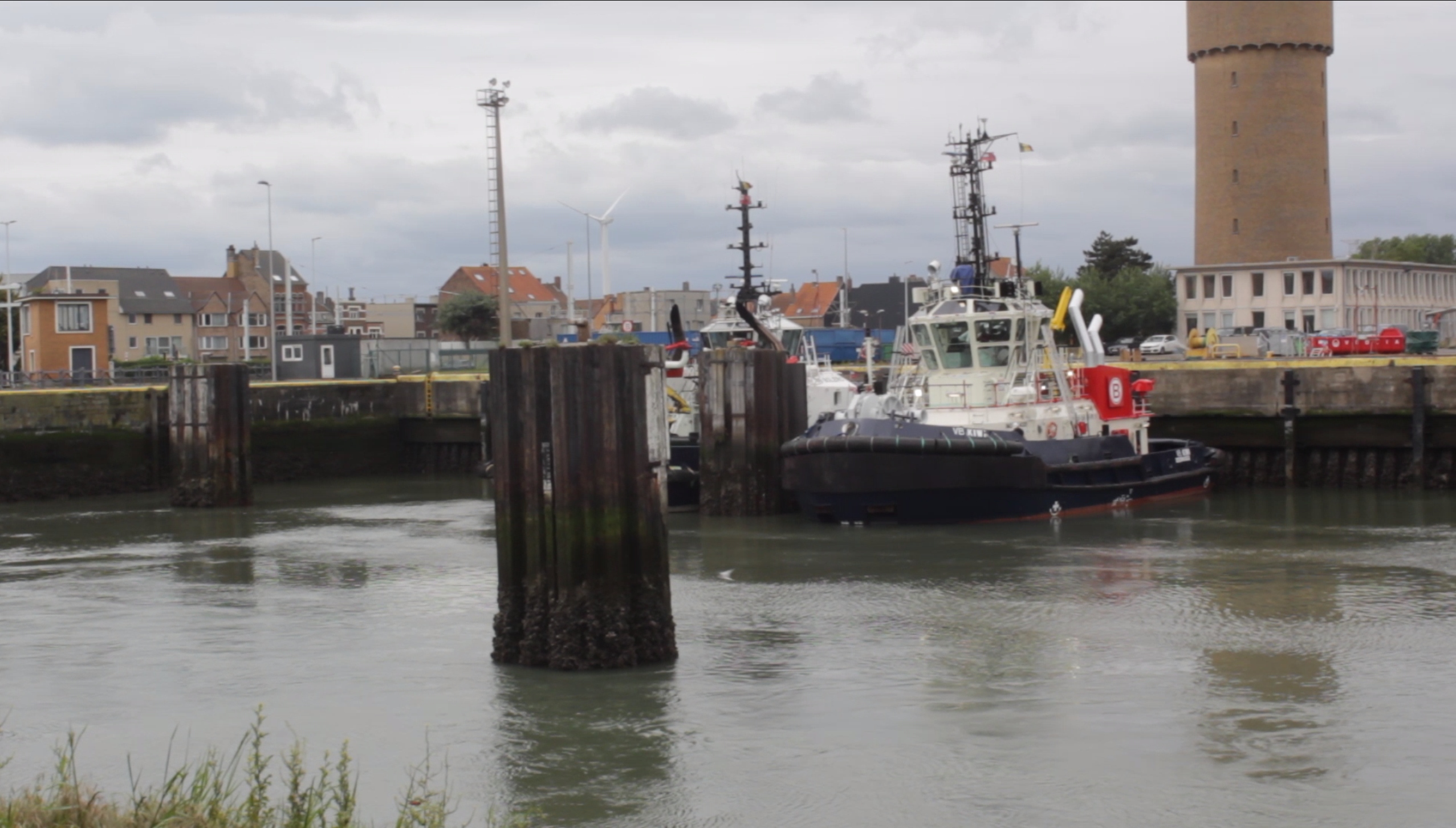
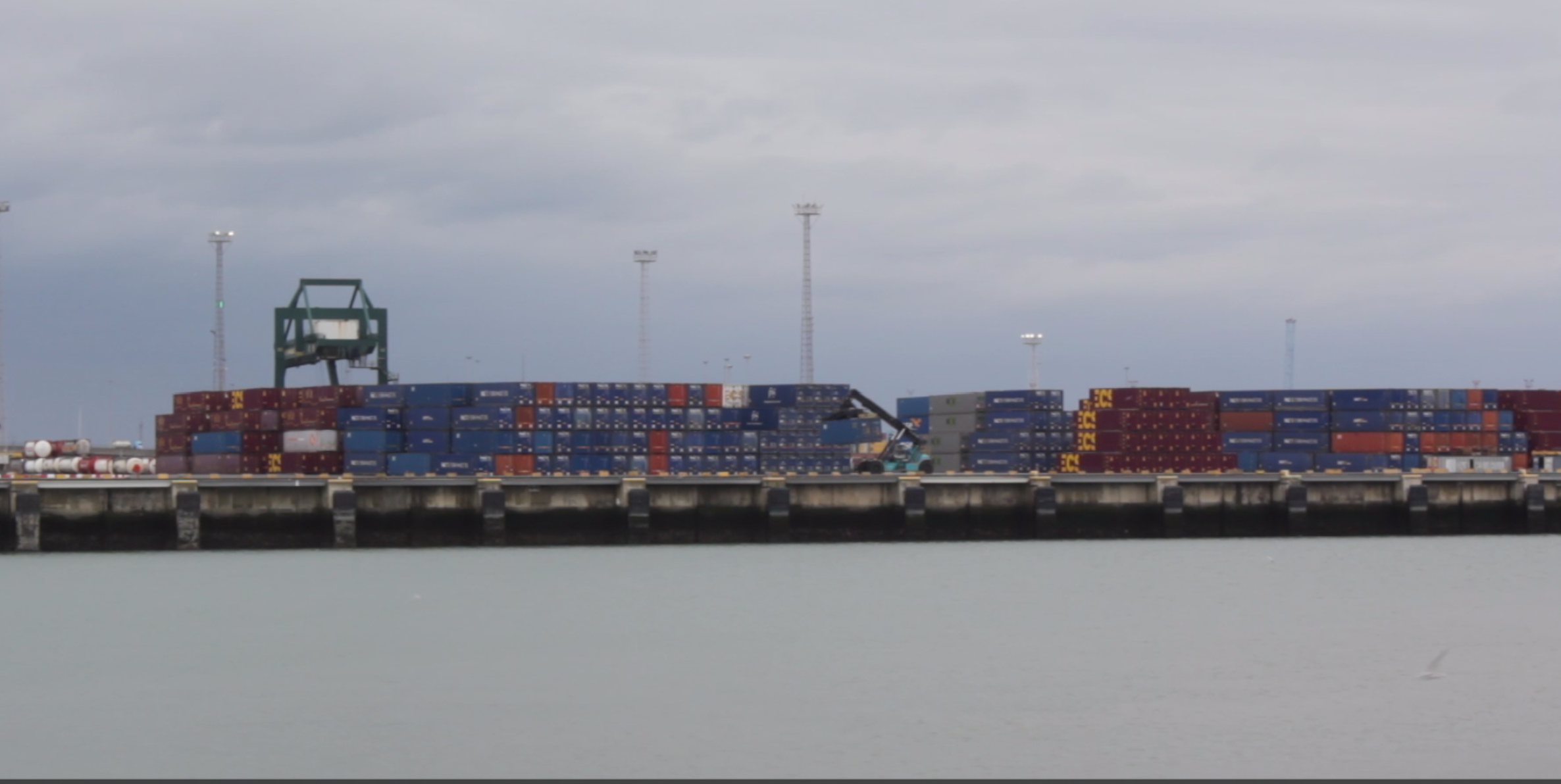
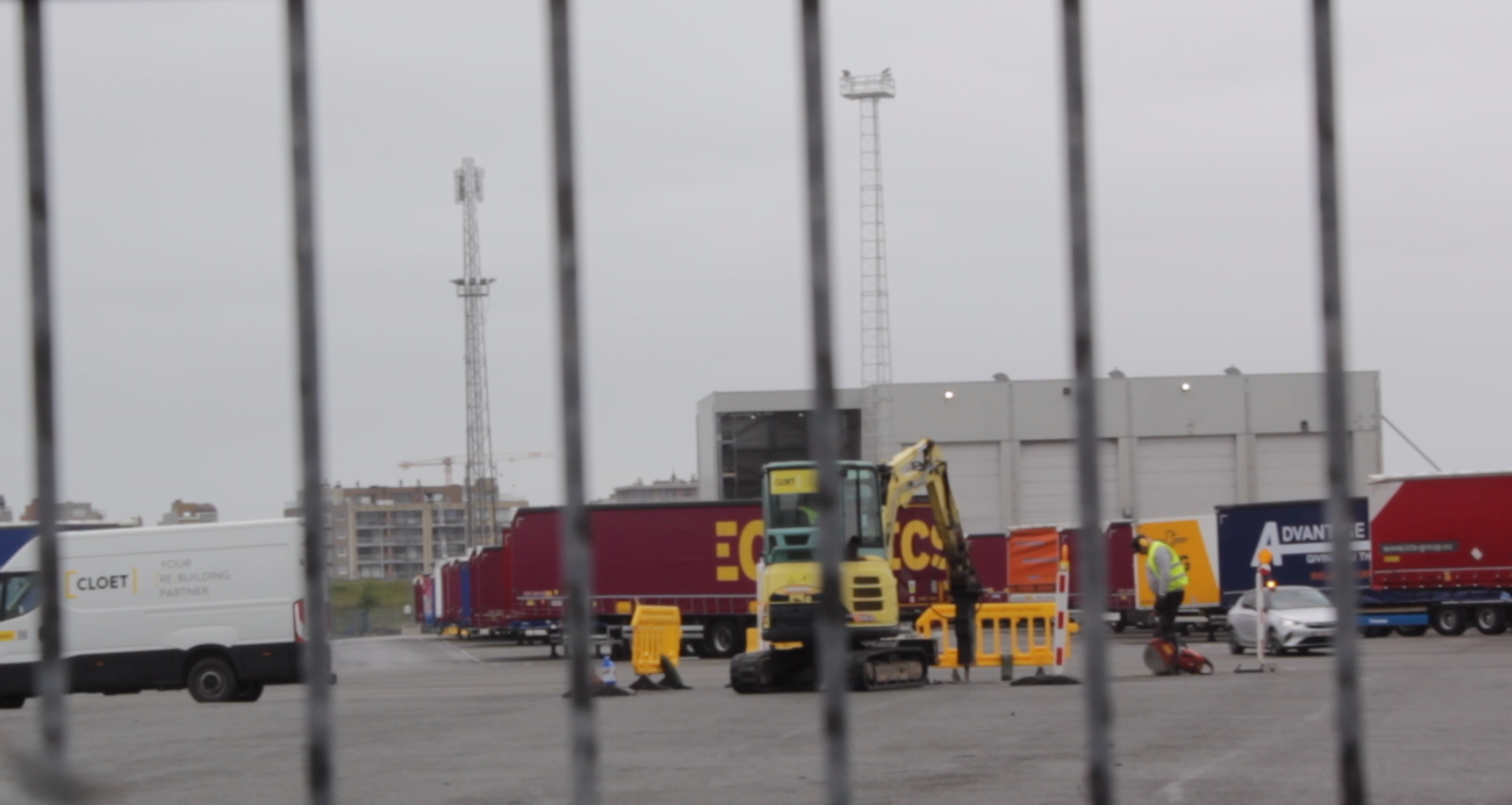
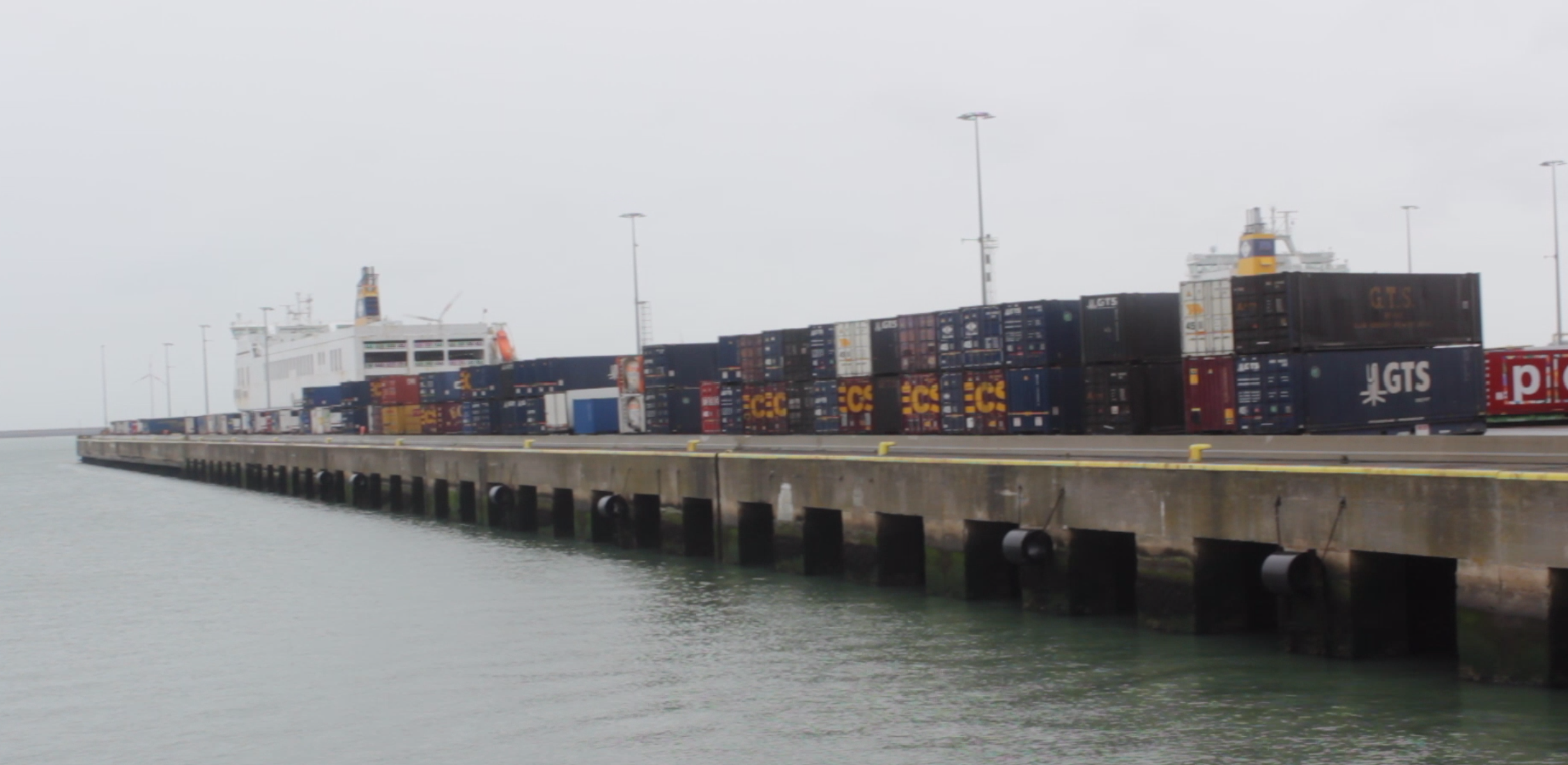
Photo’s by: Anisia de Kok
Security measures
According to Port of Antwerp-Bruges, security in and around the port is built on a combination of physical safety measures, operational procedures and digital systems designed to protect both people and activities in the port area. The port operates under international ISPS security standards, which regulate access to port facilities and ensure strict control of who enters sensitive zones. Container flows are monitored through digital platforms such as Certified Pick-Up, which helps secure and trace container movements across the logistics chain.
In addition, port security relies on cooperation between the port authority, customs, police and private companies, supported by tools such as scanning technologies, surveillance systems and data-driven risk analysis. Countries all over the world follow, which leads to broad drugs seizures.
Complex operational enviroment
A growing focus is also placed on screening and verifying personnel working in critical functions, reflecting the importance of reducing internal vulnerabilities within a highly complex operational environment.
Within this environment, security is constant but never absolute. Because of the volume of global trade, only a small proportion of containers can be physically inspected. This means that control is based on prioritisation rather than total oversight, where risk is assessed and selected rather than fully eliminated.
The EUDA report highlights that this dynamic structure is exactly what organised crime exploits: large-scale containerised trade creates opportunities for concealment within legitimate flows, especially in the busiest ports where inspection capacity is limited by scale.
Security assessment of workers
The screening of people working in Belgian ports by the federal police, as part of a tougher crackdown on drug crime, showed that while the vast majority of workers pass these screenings, a small number are removed from critical functions. The checks lead to a security assessment by the National Maritime Security Authority.
Taken together, the data and field perspective show that European port security operates as a balancing act between openness and control. The same global connectivity that makes ports essential for trade is also what makes them difficult to fully secure.
And within that system, security is not a final state, but an ongoing process of monitoring, adaptation and response.